Have you ever noticed how some websites seem to talk directly to you? That's digital storytelling at work. Every tap on your screen creates a small, personal moment.
Each click opens up a little story that makes your time online feel special. It's like the website is sharing a secret just with you. Clear design mixed with heartfelt storytelling turns basic interactions into memories.
When a good story pairs with a simple user experience, you really get pulled in. Our digital world can feel as warm as chatting with an old friend.
How digital storytelling elevates user experience

Digital storytelling guides every tap and swipe, turning routine clicks into moments that feel personal and engaging. It changes plain interfaces into heartfelt digital tales (stories that connect and inspire) that spark real emotions and create memorable journeys throughout your experience. Designers use these tips to give every interaction a bit of soul, building a warm sense of belonging.
A user-friendly interface mixed with a good story makes it easy to move from one page to the next. It simplifies tricky features so you feel like you're part of an evolving adventure, with each screen echoing the smooth flow of a well-spun narrative.
| Benefit | Description |
|---|---|
| Emotional Connection | Uses everyday story cues that pull at your heart |
| Simplified Info | Presents complex details in a way that’s easy to grasp |
| Interactive Experience | Makes routine clicks feel like part of an ongoing tale |
| Community Feel | Builds a vibe where you can feel right at home |
| Clear Navigation | Guides you through a straightforward, story-driven path |
When you feel emotionally invested, you’re more likely to come back for more. That personal connection not only makes daily interactions enjoyable but also builds lasting trust in the product.
Psychology of digital narrative in user experience

Stories tap into our feelings by turning everyday digital clicks into shared moments. They work almost like a spark that makes us feel connected. Imagine this: before she was famous, Marie Curie once carried test tubes in her pocket, not knowing about the hidden dangers inside. It’s a surprising glimpse into how even small details can have big stories.
Using clear user characters and simple journeys adds a real, human touch to our online spaces. We meet characters who face everyday challenges that mirror our own, making the experience feel like a little story we can relate to. Ever notice how a simple story reminds you of your own day-to-day struggles?
When digital tools tell these kinds of stories, they start to feel like friendly companions rather than just tech. That personal connection turns casual visits into memorable encounters. Think of it like a quiz that hints at personal growth, it gives you that little nudge to come back for more, like catching up with an old friend.
Character narratives: key digital storytelling technique for UX design

Detailed user personas are at the heart of a great story. They add a human touch to your digital design by showing who you're really speaking to. These personas bring clear goals, real struggles, and strong reasons behind every design choice. They work like a fun script that sets the mood for every interaction.
Creating simple backstories lets users see themselves in the tale and keeps them engaged. And when designers add interactive elements (check out interactive storytelling https://vasthysfriends.com?p=230), the design feels like a personal story that invites you to join in and share your thoughts.
- Audience research
- Interview synthesis
- Scenario mapping
- Storyboarding
- Validation
Matching these character stories with design goals makes every part of your screen count. When you build a story around real user challenges and dreams, you create a guide that smoothly leads users through tasks and decisions. This approach builds trust and creates a full experience where work and emotion blend together naturally. Plus, every persona grows as the product evolves, ensuring that every design decision stays true to what users need while deepening their overall connection.
Cinematic and interactive storylines shaping immersive UX sagas

Digital design today feels like watching a live show. The visuals and choices grab you, much like stepping into your favorite mini-movie. Imagine tapping through screens where every move brings you closer to pulse-quickening scenes, and every choice can flip the script in an instant.
Cinematic experiences in UX go all out with film-like magic. Designers use smart lighting, smooth movements, and sound that sets the mood, just like a movie. Ever notice how a film uses close-up shots to catch your eye? Digital experiences do the same with neat transitions and perfect timing. One quick animation can echo the charm of a classic film scene and pull you right in.
Interactive storylines add an extra kick by letting you choose your own path. Each tap or swipe sparks a mini adventure that feels like you’re in a real choose-your-own-adventure book. You become an active part of the story, making decisions that shape the journey in your own way. Have you ever felt that thrill when every choice feels like it’s made just for you?
Designing seamless interfaces with intuitive layout & fluid interaction
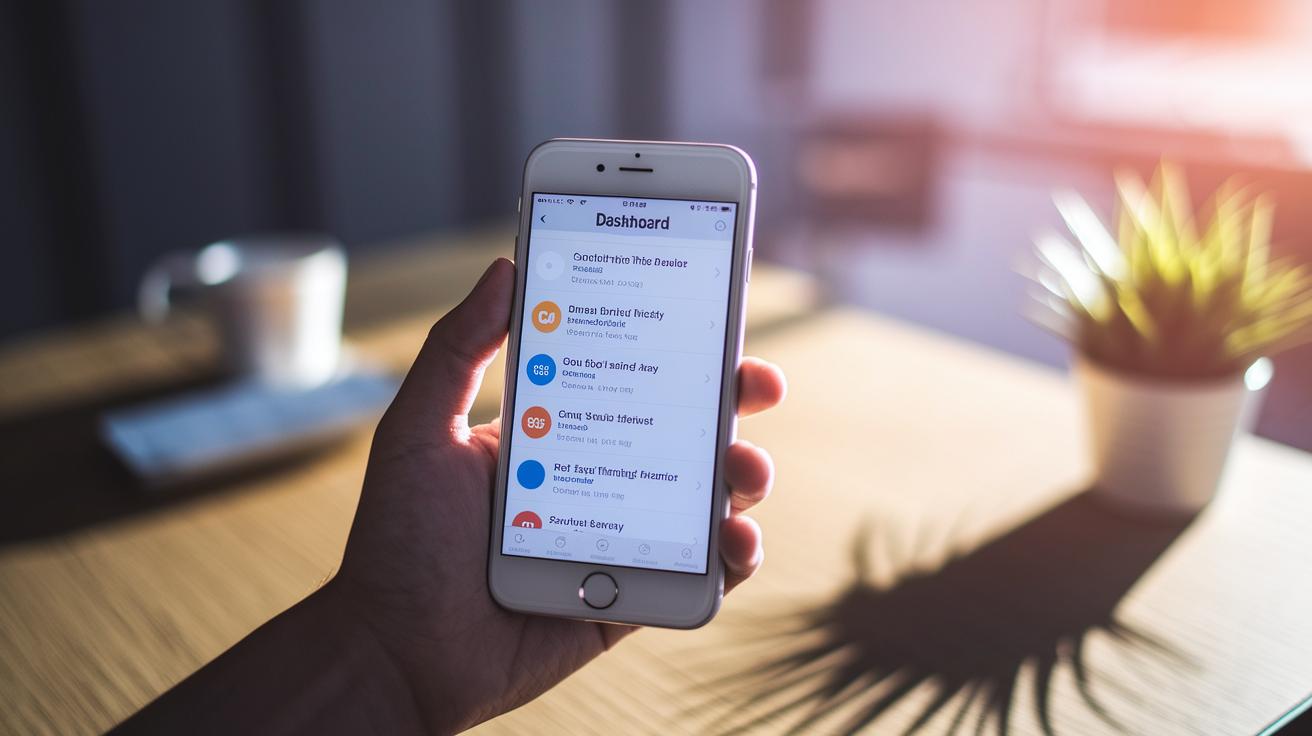
Imagine an interface that guides you like chapters in a favorite book. A smart layout helps you spot all the important parts so you can move forward without confusion. Designers place every image and button with a clear reason, inviting you to explore more. For example, simple navigation hints and well-planned spacing can change the entire feel of your screen story.
Next, smooth interactions keep everything moving like a well-practiced dance. Every tap, swipe, or scroll feels natural and light, making each step easy and fun. The aim is to keep the energy up from start to finish so that each move blends perfectly with the next. It’s like watching a scene in a movie where every detail adds to the magic.
Finally, a clear flow connects each screen like scenes in a great story. When every step follows smoothly from one to the next, you feel more involved and connected with what’s on display. This way, the design not only clarifies the message but also makes you want to come back again and again.
Case study: language-learning app’s multimedia storytelling in UX
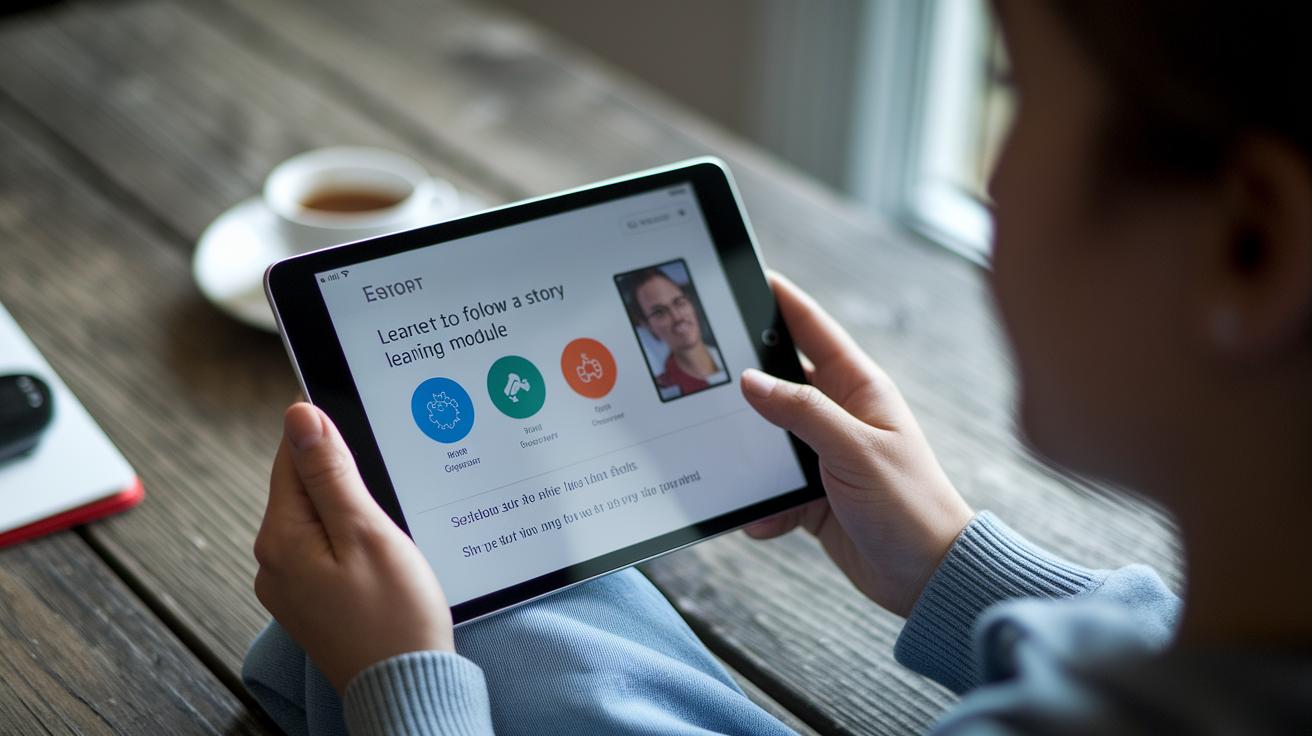
A well-known language-learning app decided to change things up by ditching boring, static lessons. Instead of using old-school drills, it now tells a character's journey through interactive modules. It's like following a story where every chapter helps you learn a little more.
These fresh lessons mix real-life moments with clear, visual tasks. As you follow the character's ups and downs, each exercise feels like a mini-adventure. For instance, you might face a puzzle that the character needs to solve to move forward. This way, every lesson turns into a fun, engaging challenge.
After switching to this storytelling style, the app quickly gained traction. Daily user numbers jumped by 30% and course completions went up by 20%. It just goes to show that when learning meets a good story, it’s not only more exciting but also more effective.
Designers learned a lot from this change. They found that building a narrative into the lessons makes the whole experience feel warmer and more relatable. In truth, connecting learning with feelings can seriously boost user satisfaction and keep people coming back for more.
Digital storytelling and user experience spark engagement

Clickable prototypes and userflow diagrams are great for testing how a story unfolds on screen. Think of it like planning a room-by-room tour of a digital gallery, where each click reveals a clue to an exciting mystery. This simple approach lets you quickly change and adjust the sequence, showing you exactly how your story flows.
Next, consider using engagement matrix metrics to see which parts of your story hit home. By tracking user clicks and the time they spend on key moments, you can tell when people are really getting into the experience. Even a basic chart can show you the highs and lows of user involvement.
Top software for narrative-driven design makes it all easier. Designers now have tools that mix creative storytelling with helpful data. Here are a few favorites:
- A smart prototyping platform for mapping out interactive stories.
- A userflow design tool that uses handy drag-and-drop features.
- An analytics suite that accurately monitors user touchpoints and pacing.
These tools are setting a new standard, driving innovation and creating genuine engagement with every digital interaction.
Final Words
In the action, we explored how narratives paint clear paths from heartfelt character tales to filmic techniques that invite real participation. This approach makes interfaces feel inviting and personal, creating spaces where every click and view counts.
We witnessed behind-the-scenes insights and practical examples that boosted retention and satisfaction. Our creative mix of digital storytelling and user experience shows how art and design work together to spark excitement and lasting engagement.
FAQ
What are the 7 elements and steps of digital storytelling?
The 7 parts of digital storytelling include characters, setting, plot, conflict, theme, narrative voice, and resolution. This structure helps create engaging digital experiences and guides users through the narrative.
What is storytelling in UX?
Storytelling in UX means using narratives to shape interface design while evoking emotions. It helps guide users smoothly through digital products, creating experiences that feel both purposeful and engaging.
What are the 5 elements of user experience?
The 5 parts of user experience are strategy, scope, structure, skeleton, and surface design. They work together to shape clear, engaging interactions and ensure digital interfaces feel intuitive and inviting.
