Have you ever watched a short scene that still manages to make you burst out laughing? Sketch comedy is like a mini show that brings together quirky characters and quick stories that leave you grinning. In this post, we take a look at how these clever skits set up a fun scene, spark unexpected laughs, and finish with a twist you don't see coming. Stick around as we lift the curtain on sketch comedy and show you how a mix of planning and surprise creates magic on stage.
Sketch Comedy: Definition and Core Features
Sketch comedy is a quick, scripted show that usually runs anywhere from one to 10 minutes. It follows a simple three-part journey: a setup that introduces the story, a middle that builds the fun, and a payoff that ties everything together. Born from old vaudeville style, these sketches pack a neat little story into a short performance. Picture a clumsy detective tripping over clues, starting with funny mishaps and ending with an unexpected twist that makes you think.
Unlike other forms of comedy, sketches stand apart from skits, stand-up, and improv. Skits tend to lean on a single joke without much story behind it, while stand-up is a one-person act that directly chats with you and might throw in some off-the-cuff crowd fun. And then there's improv, where nothing is planned and the fun comes straight from on-the-spot ideas. Sketch comedy, however, is all about careful planning and practice, letting the creators dive deeper into characters and ideas. This mix of structure and humor creates memorable little stories that both entertain and surprise.
History and Evolution of Sketch Comedy
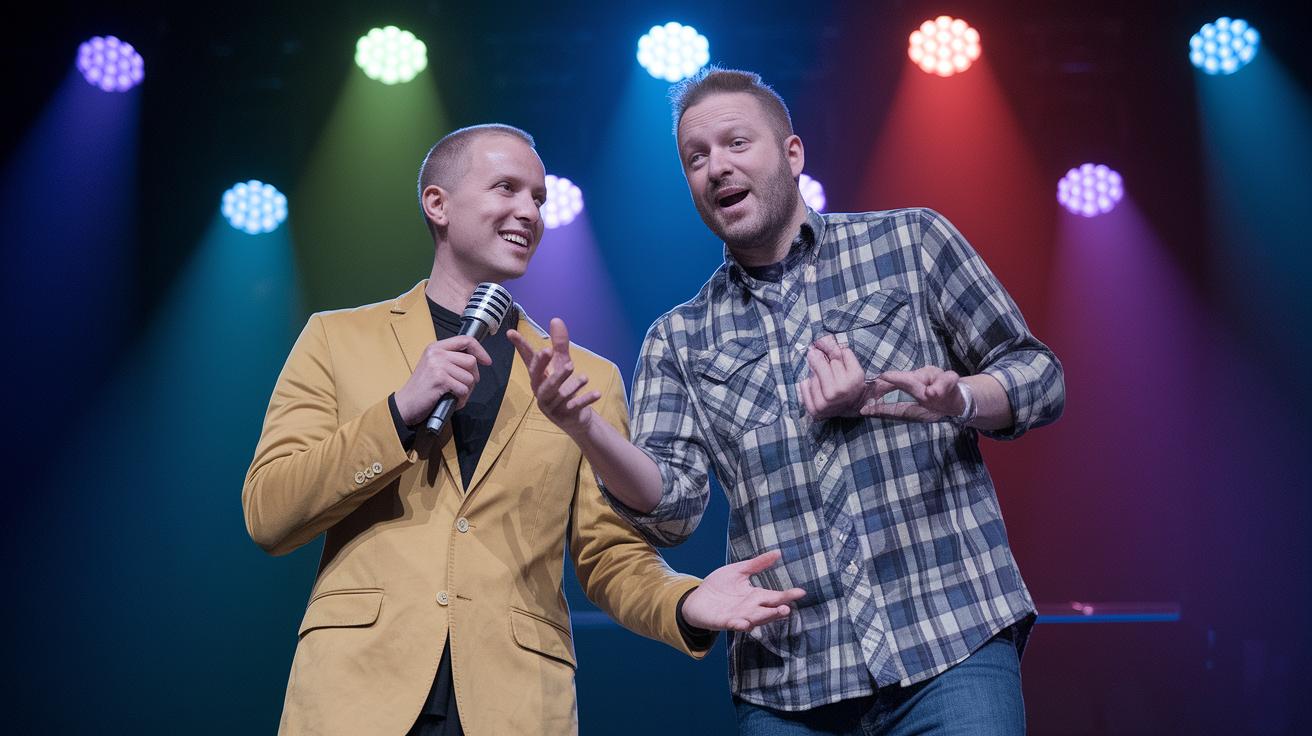
Sketch comedy grew from short, funny plays back in the old vaudeville days. Those early shows featured quick, lively bits that grabbed the audience's attention right away. Then, in the 1960s and 70s, TV brought us stars like Monty Python’s Flying Circus, The Carol Burnett Show, SCTV, and Saturday Night Live. They set up sketches with an easy three-step flow: start with an idea, build up the fun, and deliver a punchy, satisfying twist. Imagine a scene that begins with a funny misunderstanding, builds up with playful chaos, and ends in a clever surprise.
In the 1980s and 90s, comedy sketches took an exciting turn. Comedic groups like The Kids in the Hall, In Living Color, Mr. Show with Bob and David, Upright Citizen’s Brigade, and Mad TV pushed creative boundaries with bold and funny new ideas. They mixed smart, satirical commentary with fresh humor that made even simple jokes feel like a deep dive into everyday life. Think about a small laugh turning into a clever statement on life itself.
Today, sketch comedy combines the best of the old and the new. Modern shows like Chappelle’s Show, Inside Amy Schumer, Portlandia, and Key & Peele keep the classic structure while adding cool, modern twists. And live shows, like those at Pianofight Theater in San Francisco, offer that raw, electric energy that makes a comedy night feel unforgettable.
Structural Elements and Sub-genres in Sketch Comedy
Sketch comedy is like its own mini-story that grabs you from the start and lands with a funny punch at the end. It mixes a clear story with playful twists that keep things fresh.
- Political sketches: These jokes poke fun at leaders or current events by turning real-life issues into a clever, playful roast.
- Genre parody sketches: Think of these as fun copies of movies and TV trends. They take familiar styles and make them extra silly.
- Commercial parodies: These flips normal ads on their head, showing off crazy products. For example, imagine an infomercial for a gadget that only works when you sing to it.
- Musical parodies: Here, well-known songs get funny new words that change the tune into a humorous surprise.
- Fish-out-of-water sketches: These stories place unusual characters in everyday places, sparking laughs from unexpected clashes.
Each sketch follows a simple, clear path from a quick setup to a great payoff, making every minute feel like a complete, enjoyable ride.
Sketch Comedy Versus Stand-up and Improv
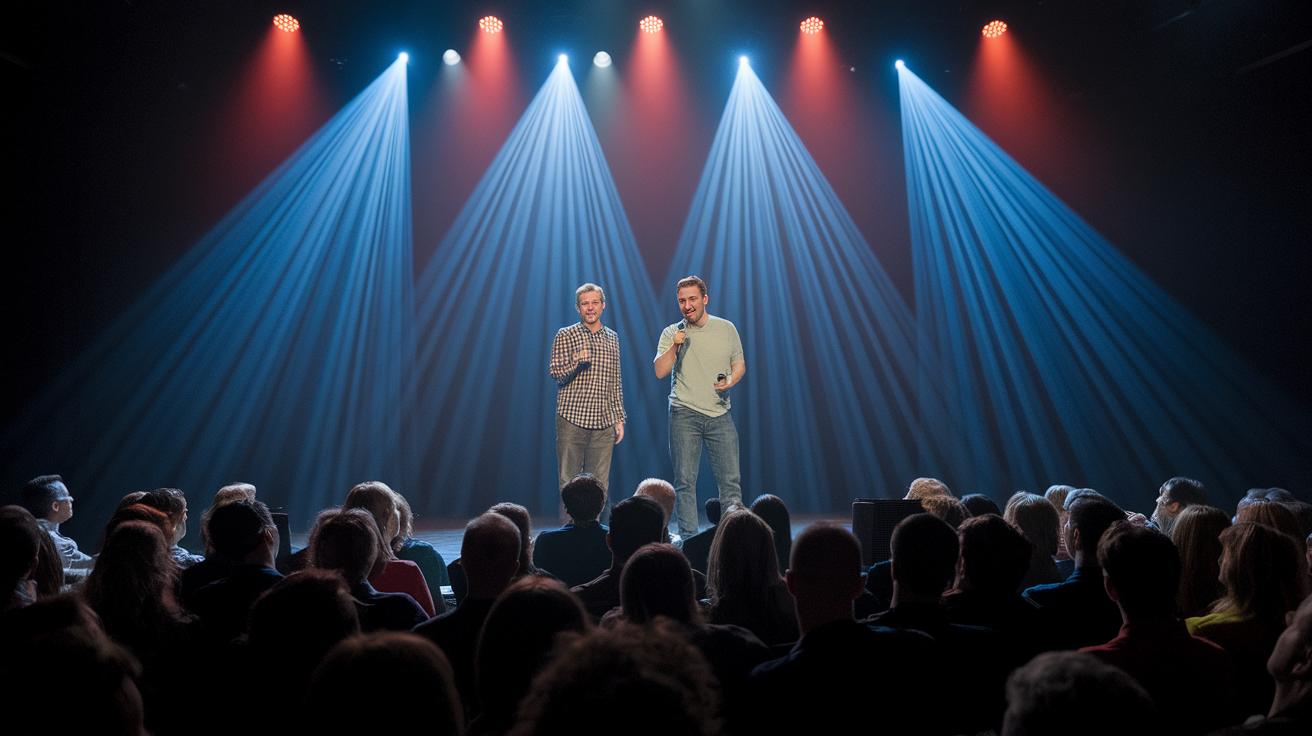
Stand-up comedy is when one performer is right there, chatting with you as if you were their best friend. They might pull you into the act by asking your name or making a funny remark about the crowd. Think about a comedian saying, "Hey, what's your story tonight?" and making everyone burst into laughter. It's all about that quick wit and making a real connection, and you can watch lots of these acts on streaming sites.
Improv, on the other hand, goes off the cuff. There’s no script at all; the fun happens right then and there as the group juggles ideas together. Picture a small theater where the actors take a suggestion from the audience and create something hilarious on the spot. It feels raw, like you’re sharing a special secret moment with them.
Sketch comedy is built differently. Every bit is written down and practiced ahead of time. It’s like a mini-play with planned characters and a clear story. You might think of it as similar to those classic Saturday Night Live sketches. This planned approach makes it distinct from the live liveliness of improv and the free-flowing vibe of stand-up.
Notable Sketch Comedy Shows and Artists
Sketch comedy made its mark on TV long before it exploded online. Early shows laid the groundwork with clever, fast setups that have now morphed into the viral clips we love to share. Think about Saturday Night Live – its off-the-cuff sketches surprised viewers and set the stage for today’s internet humor.
These classic programs did more than just make us laugh on TV. They sparked the evolution of quick, shareable comedy that shines online. The original routines mix timeless wit with a modern twist that still feels fresh today.
| Show or Artist | Era | Notable Sketch |
|---|---|---|
| Monty Python’s Flying Circus | 1969 | Absurd humor sequences |
| Saturday Night Live | 1975–present | Sharp pop culture parodies |
| Chappelle’s Show | Early 2000s | Edgy societal satire |
| I Think You Should Leave | Digital era | Unpredictable, rapid sketches |
What is Sketch Comedy: A Fun Peek

Sketch comedy starts with a simple, everyday idea that everyone can connect with. Think of writing a sketch as setting up a short play. First, introduce the scene and characters fast. Then, mix in some fun twists that bring the dialogue to life. For example, picture a friendly chat, maybe a barista joking about a coffee shortage on a busy morning, before it turns into a playful debate over secret recipes.
While writing, jot down every funny thought that pops into your head. Try out unexpected responses until your dialogue sounds natural and alive. Sometimes, recording quick brainstorming sessions or sharing your ideas with a friend can help you catch that perfect line.
Planning your sketch production is just as important as the writing. Use simple shot lists and storyboards to guide each scene, sort of like planning your very own mini-movie. Clear, smart visuals really boost the written humor. You might even sign up for online sketch classes to polish your timing and delivery. And if you love helping others tell their stories, consider ghostwriting, they make a great way to explore new ideas.
Each step, from writing to planning, helps turn a little idea into a fun, lively sketch that feels real and genuine.
Final Words
In the action, this post laid out the ins and outs of sketch comedy. It broke down the core features, compared it with stand-up and improv, and traced its growth from early TV hits to today’s interactive shows.
The recap also touched on writing and producing tips, along with exclusive insights into what is sketch comedy. The energy and flair of these creative acts leave us eager to explore more fun and engaging entertainment moments. Enjoy every laugh and every behind-the-scenes highlight!
FAQ
Q: Sketch comedy example
A: The sketch comedy example explains a short, scripted humorous piece like Saturday Night Live, which features distinct characters in a three-act narrative for engaging laughs.
Q: What is sketch comedy reddit
A: The sketch comedy term on Reddit describes discussions and posts about brief, scripted scenes shared by community members, highlighting creative humor and unique perspectives.
Q: What is sketch comedy in english
A: The sketch comedy in English refers to scripted, short comedic performances that use a clear beginning, middle, and end to tell funny stories with well-defined characters.
Q: What is sketch comedy wikipedia
A: The sketch comedy entry on Wikipedia explains it as a series of brief, scripted comedic sketches that follow a structured narrative and bring humor through distinct characters and scenarios.
Q: What is sketch comedy called
A: The sketch comedy is also known as a sketch show, emphasizing a collection of short, humorous scenes that entertain audiences with creative, scripted storytelling.
Q: Is SNL sketch comedy
A: The Saturday Night Live format is sketch comedy since its scripted segments, rehearsed delivery, and vivid characters create lively, concise narratives that consistently entertain viewers.
Q: Sketch comedy shows
A: The sketch comedy shows feature multiple brief, scripted segments that explore everyday humor, often using recurring characters and witty commentary on current life events.
Q: Is sketch comedy improv
A: The sketch comedy differs from improv because it involves rehearsed, scripted scenes with clear narratives, while improv is made up on the spot without pre-written dialogue.
Q: What defines sketch comedy?
A: The sketch comedy is defined by its short run time, scripted text with a clear three-act structure, and its focus on funny characters and situations to spark audience laughter.
Q: What is the difference between a skit and a sketch?
A: The difference between a skit and a sketch is that a skit is often a brief, single joke bit, while a sketch develops a fuller story with a structured narrative and character depth.
Q: Who started sketch comedy?
A: The sketch comedy started with early vaudeville acts and later evolved with groups like Monty Python, who paved the way for modern scripted humor on television.
Q: What is the meaning of sketch show?
A: The sketch show means a series of short, scripted comedic scenes compiled into one program, each offering its own humorous narrative and distinct characters.
