Have you ever noticed how some on-camera chats grab your attention while others just drift past? It turns out that a few simple tips can really change the game.
This guide is like getting a peek behind the curtain, a friendly set of advice that can help you present like a pro. You can turn a regular conversation into one that feels warm and genuine, building trust every step of the way.
Just think of these tips as your personal backstage pass. They'll boost your confidence and help you make every word count, just as you planned.
Understanding Talking Head Interviews: Definition and Importance
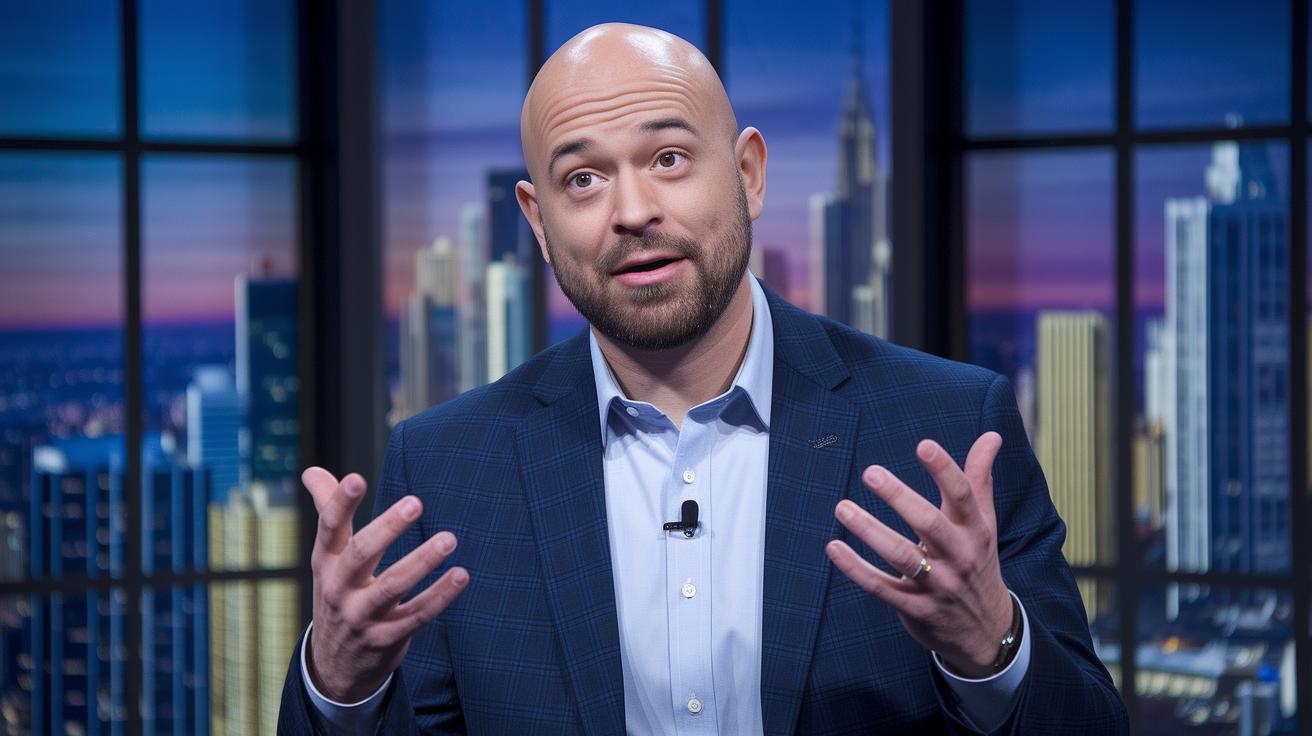
Talking head interviews are videos where you see someone head and shoulders on camera, chatting directly with you. It feels like a personal conversation, almost as if a trusted expert is sitting right next to you and sharing their insights.
This style got its start on TV news channels like CNN and NBC. Anchors would speak to the camera in a sincere way, building trust just by being real and straightforward. It made you feel like you were part of the conversation, and that authenticity really worked.
Talking head interviews bring a few big benefits. They quickly build trust and are easy on your budget. Since most videos last just 2 to 5 minutes, they’re perfect for things like short explainers, customer testimonials, or quick corporate updates. The simple setup means your message comes through loud and clear without any distracting visuals. It’s a direct and effective way to share your story while keeping production smooth and costs low.
Pre-Session Preparation for Talking Head Interviews
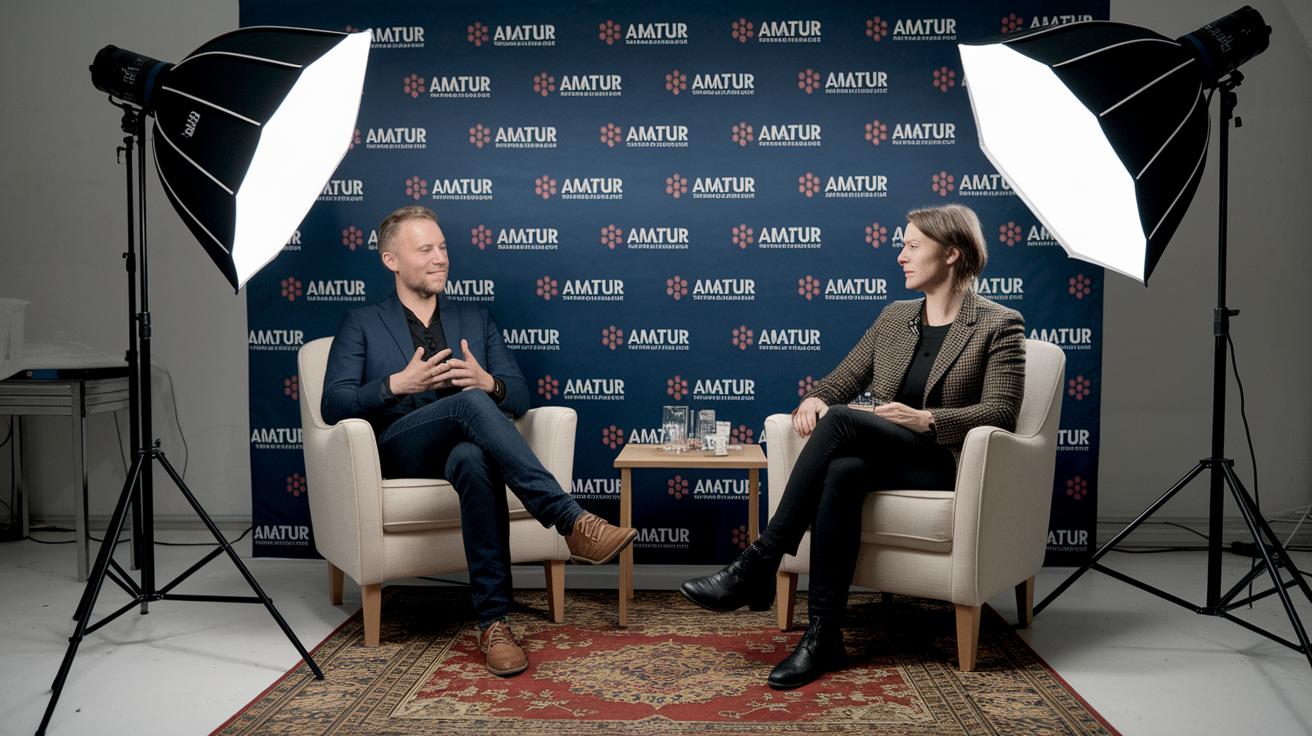
Before you start filming, having a solid video brief is key. It acts like your roadmap, showing your goals, your audience, and the story you want to share. For example, you might say, "We are introducing a new product line to young professionals in simple, clear language." This clear goal helps keep every part of the shoot true to your vision.
Next, try a five-part format with an introduction, context, key points, testimonials, and a conclusion. This approach keeps your story organized and engaging, much like chapters in a book that build on one another. It helps you pace the content naturally and gives each part its own moment.
It is also important to craft questions that invite honest answers. Think about preparing a set of clear, thoughtful questions, like, "What inspired you to take this approach?" These questions guide the conversation and help your subject share the insights and details that will resonate with your audience.
Finally, planning your storyboard and shot list brings your vision to life. Map out each scene with details on camera angles, movements, and transitions. This planning not only keeps the production on track but also clears up roles and timelines, making sure the shoot runs smoothly.
Equipment and Technical Setup for Talking Head Interviews

Getting your gear right can really change the vibe of your video. Good lighting, like using one key light, one fill light, and one back light, gives your shot a warm and balanced look. A DSLR or even your smartphone with HDR mode can make your colors pop and your images look amazing. Keep your subject in the center with just enough space at the top so everything stays clear.
Clear sound is just as important. A shotgun mic or a clip-on lavalier mic can help cut down on background noise and capture every word perfectly. A simple background helps the viewer focus on your subject, while a steady tripod or gimbal makes sure your camera doesn’t shake. Even when you’re recording on platforms like Zoom or Riverside.fm, these tools keep your audio and video in sync.
Each piece, from the lights to the mics, plays its part in making your interview look and sound great.
| Equipment | Purpose |
|---|---|
| Key light | Brightens the subject’s face |
| Fill light | Softens shadows |
| Back light | Separates the subject from the background |
| Microphone | Records clear dialogue |
| Tripod/gimbal | Keeps the camera steady |
| Background panel | Maintains a clean look |
Before you get started, test your settings and check that your audio and video line up well. It’s a quick step that saves you loads of time later and keeps your interview looking sharp.
On-Camera Techniques and Presentation Skills in Talking Head Interviews

Framing is the heart of a standout on-camera performance. When you look right into the camera, it feels like you're chatting with a friend. That personal touch helps your message hit home. When your face fills the frame perfectly, your audience feels like they're right there with you.
Body Language
Stand tall and use natural gestures to show your confidence and realness. Even a simple nod or a smile can drive your point home without saying a word. Try leaning in a bit when you want to emphasize something; it draws viewers in and makes a big difference.
Vocal Delivery
How you speak matters just as much as what you say. Changing up your pace and tone keeps things interesting and highlights key ideas. A short pause after an important point works like that quiet beat before a great punchline in conversation.
Mixing up your shot angles and using gentle camera moves adds depth to your video. Even a slight change in view can guide your audience’s attention without taking them away from your main message.
Bringing energy to your delivery is crucial. When you mix real emotion with a bit of humor and clear insights, your talk turns into a performance that feels alive. This style makes even the tricky details come off as engaging, keeping your viewers connected every step of the way.
Popular Styles and Interview Methods Used in Talking Head Interviews
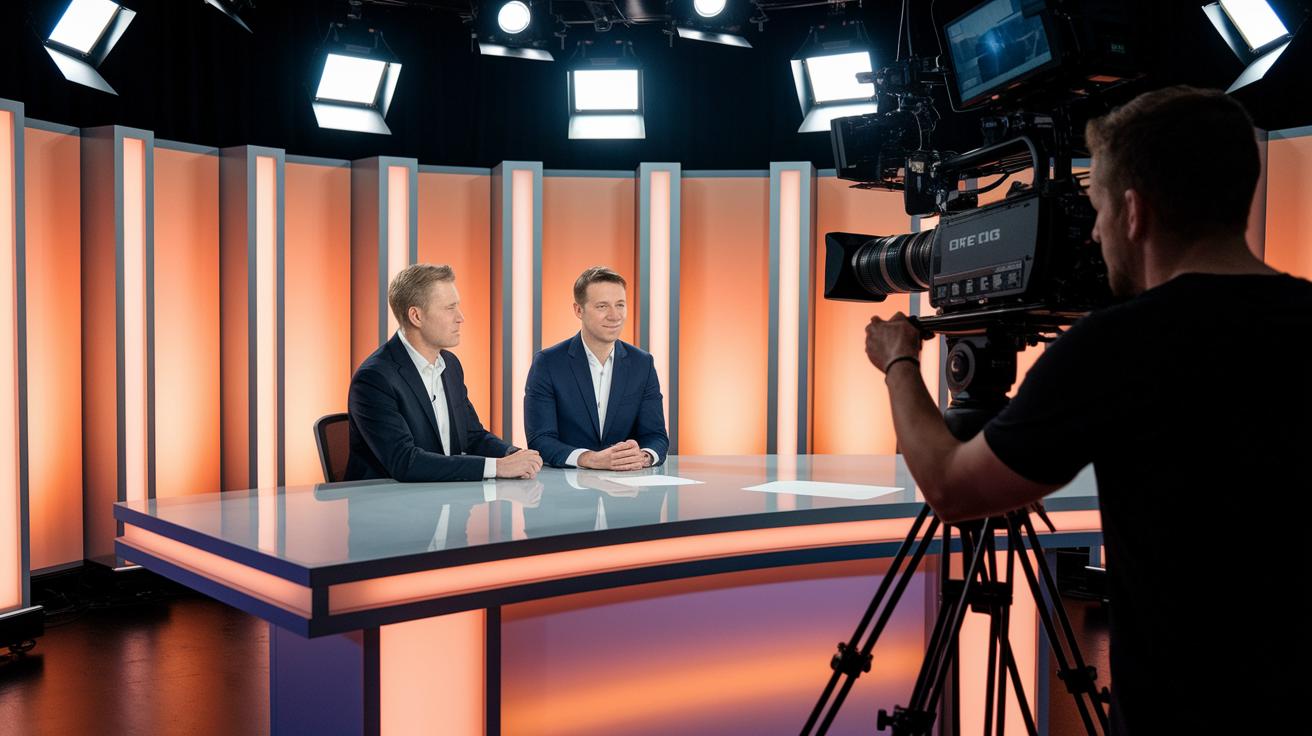
The style you pick for talking head interviews really shapes how your audience connects with the story. Different on-screen setups create a vibe that helps viewers feel like they’re part of the conversation. Each method brings its own energy that can either pull you in or pull your focus away.
In the off-camera style, the interviewer hangs just outside the shot. This gives the chat a laid-back, friendly feel, like you’re listening to a buddy spill some cool behind-the-scenes secrets.
With direct-address interviews, the guest talks straight into the camera. Sometimes they use a mirrored rig (a tool that reflects the speaker’s image) to add a bit of flair. It feels like you’re getting a personal message straight from the expert.
Hosted chats show both the host and guest on screen, often sitting together in a roundtable setup. This plan helps spark vibrant interactions as different views mix together, keeping the conversation both lively and balanced.
The cinematic approach blends the usual talking head shots with extra visuals like B-roll, reenactments, or animations. This mix turns the story into a rich, visual experience that really keeps you interested.
And then there are subject-in-action interviews, which capture the guest while they’re doing what they do best. This style calms any on-camera jitters and lends a genuine feel to the story. Plus, it makes complicated ideas easier to grasp when you see them in action.
Post-Production and Editing Techniques for Talking Head Interviews
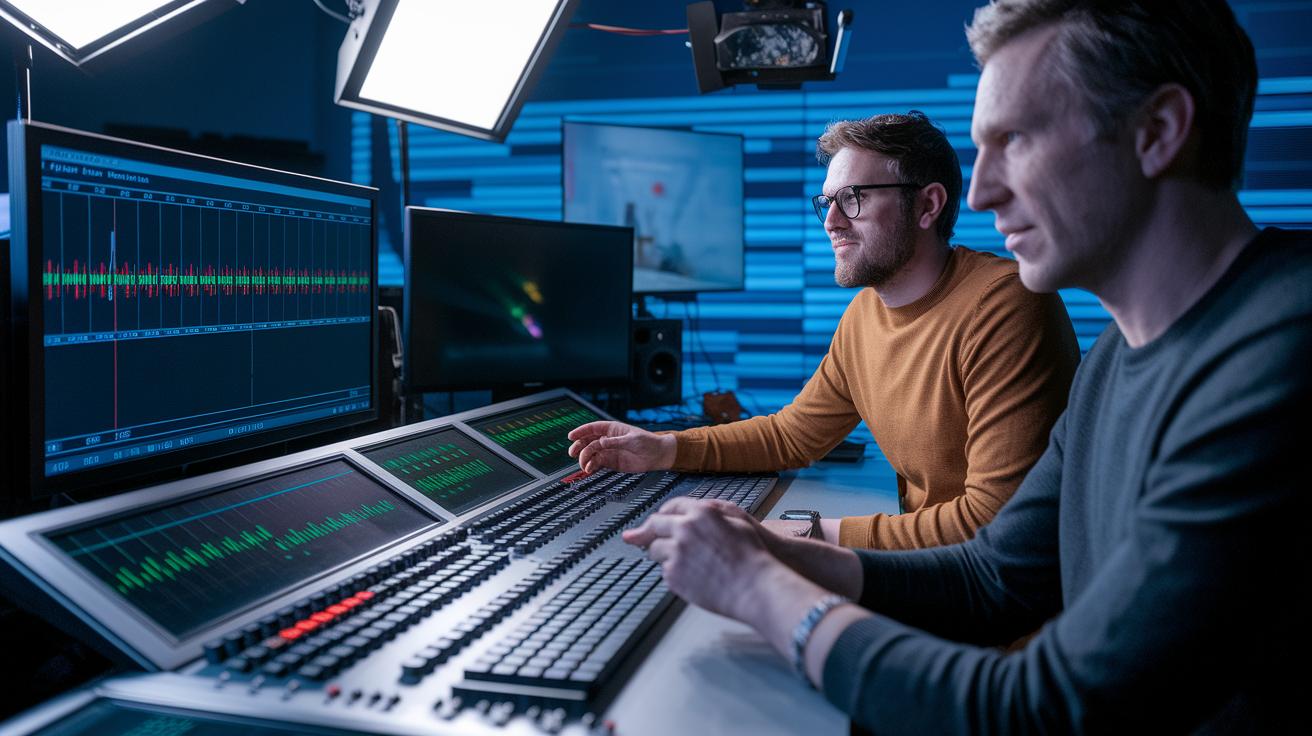
When you edit your video, start by cutting out long pauses and dead air to keep things moving along nicely. Try to arrange your clips so the conversation feels natural and every cut helps tell the story. A clear order of shots with smooth transitions makes sure nothing drags on and distracts the viewer. Using popular editing tools like Final Cut Pro X or Premiere Pro helps you trim the extra bits, keeping the dialogue crisp and engaging.
Next, check that your audio and video match up perfectly. If the sound is off, it can pull the viewer out of the experience. Make sure the speaker’s lip movements line up with the words and that any background noise stays balanced. When everything syncs well, your video feels more polished and invites the viewer to trust your message.
Finally, add a little extra sparkle with graphic overlays and color tweaks. Throw in lower-thirds, logos, or subtle motion graphics to highlight important details without overwhelming the scene. A few simple color adjustments can sharpen the look and tie everything together. Give your edit one last review to catch any small glitches, so your finished product remains engaging and professional.
Benefits, Challenges, and Best Practices in Talking Head Interviews

Talking head interviews are a popular way to build trust and credibility while keeping costs low. They work great for short, punchy videos, about 2 to 5 minutes, that pack a lot of value without the need for fancy production. It’s simple and focused, which means businesses and educators can share clear, direct messages without all the fuss over complex setups.
But sometimes, sticking to the same setup can make things feel a bit flat. When the visuals don't change or the lighting stays the same, viewers might lose interest pretty quickly. It’s like watching one long, dull scene when you really need a little bit of sparkle to keep your eyes glued to the screen.
So, why not mix things up a bit? Try using different camera angles and sprinkle in some storytelling. A few changes in lighting or smooth transitions can really keep things lively. Keep your message short and clear, and add some fresh visuals to engage your audience even more.
Case Studies and Real-World Examples of Talking Head Interviews

CNN nightly news shows us a great example of digital interviews done right. The anchors sit close to the camera, making you feel like they're talking just to you. It really draws you in and makes you part of the moment. No wonder many productions still try to capture that same vibe.
Corporate videos have also jumped on the talking head bandwagon. When CEOs speak directly from the camera, it gives their message a warm and trustworthy feel. This simple style helps companies show a personal side to future employees and boosts the overall mood inside the business.
YouTube tutorials have given the talking head style a fun twist. With creative edits and quick cuts, these videos make even tough subjects easy and entertaining to watch. They turn learning into a lively experience that keeps you engaged from start to finish.
TikTok clips are another great example. Short, mobile-friendly videos let experts share quick tips in a very relaxed setting. Their fast pace and clear messages get viewers to react quickly, making these clips a hit with anyone who loves a mix of storytelling and straight-to-the-point advice.
Final Words
In the action, we broke down every step of crafting engaging talking head interviews. We looked at aspects like camera framing, authentic pre-session planning, careful gear setup, and smart editing techniques. Each section offered practical tips to boost credibility and appeal.
We also shared real-life cases that prove these methods work. It all comes together to make a compelling and cost-effective production that keeps audiences hooked and feeling connected. Here's to embracing creativity and enjoying every moment of creating stellar content!
FAQ
What is a talking head interview?
A talking head interview is a video style where an individual speaks directly to the camera in a head-and-shoulders shot, creating a personal connection with the viewer.
What are some examples of talking head interviews on Reddit and YouTube?
Talking head interviews on Reddit and YouTube use direct camera dialogue, often seen in explainer videos, testimonials, and interviews, making content engaging and easy to follow.
How does the talking head film technique work?
The talking head film technique centers on a simple frame that captures the speaker’s face and shoulders, promoting clear, direct communication and a personal touch in the presentation.
What defines a talking head documentary?
A talking head documentary relies on on-camera interviews to present expert opinions and personal stories, focusing on credibility and narrative clarity through straightforward visuals.
Who are the Talking Heads?
Talking Heads is an influential band known for their innovative art rock style and unique approach to music, marking a distinct identity separate from the interview format.
What is the reference to Talking Heads Colbert part 2?
The mention of Talking Heads Colbert part 2 likely refers to a segment on Colbert’s show featuring either the band or related content, mixing humor with insightful commentary.
Why did David Byrne sue Talking Heads?
David Byrne did not actually sue Talking Heads; any stories about legal disputes often stem from misunderstandings or misreported creative differences within the band.
What did David Bowie think of Talking Heads?
David Bowie appreciated Talking Heads for their innovative approach and creative energy, recognizing their distinct musical style and influence in modern pop culture.
