Have you ever noticed how a small slip can make you burst into laughter? Slapstick comedy takes an ordinary trip and turns it into a moment of pure joy that makes everyone smile. It started way back in lively Italian shows, where bold physical humor brought people together. In truth, a stumble isn’t just a fall; it’s a spark that lights up the room with unforgettable laughter.
Defining Slapstick Comedy: Key Elements & Appeal

Slapstick comedy is all about big, wild physical moves and eye-catching visual tricks rather than lots of words. This style started way back in 16th-century Italy with commedia dell'arte, where actors used a wooden tool called a batacchio to get laughs. They went for broad gestures and clumsy falls to make us smile. Picture someone tripping on an ottoman and bouncing back up with a surprised grin. It’s fun and totally memorable.
What makes this comedy so appealing is how we feel every bump and tumble. You cringe when you see a fall and then feel relief when nothing serious happens. That mix of shock and release is what makes the experience stick with you. Slapstick uses clear, visual jokes to tell a story without many words. Its bold movements and goofy falls set it apart and bring out real, hearty laughter.
Here’s a cool fact: A single well-timed slip can turn an ordinary scene into an unforgettable comedy moment.
Imagine a scene where a mismanaged prop sends a few items flying around. It’s simple and pure fun, drawing you in with its unexpected charm.
The Historical Evolution of Slapstick Comedy
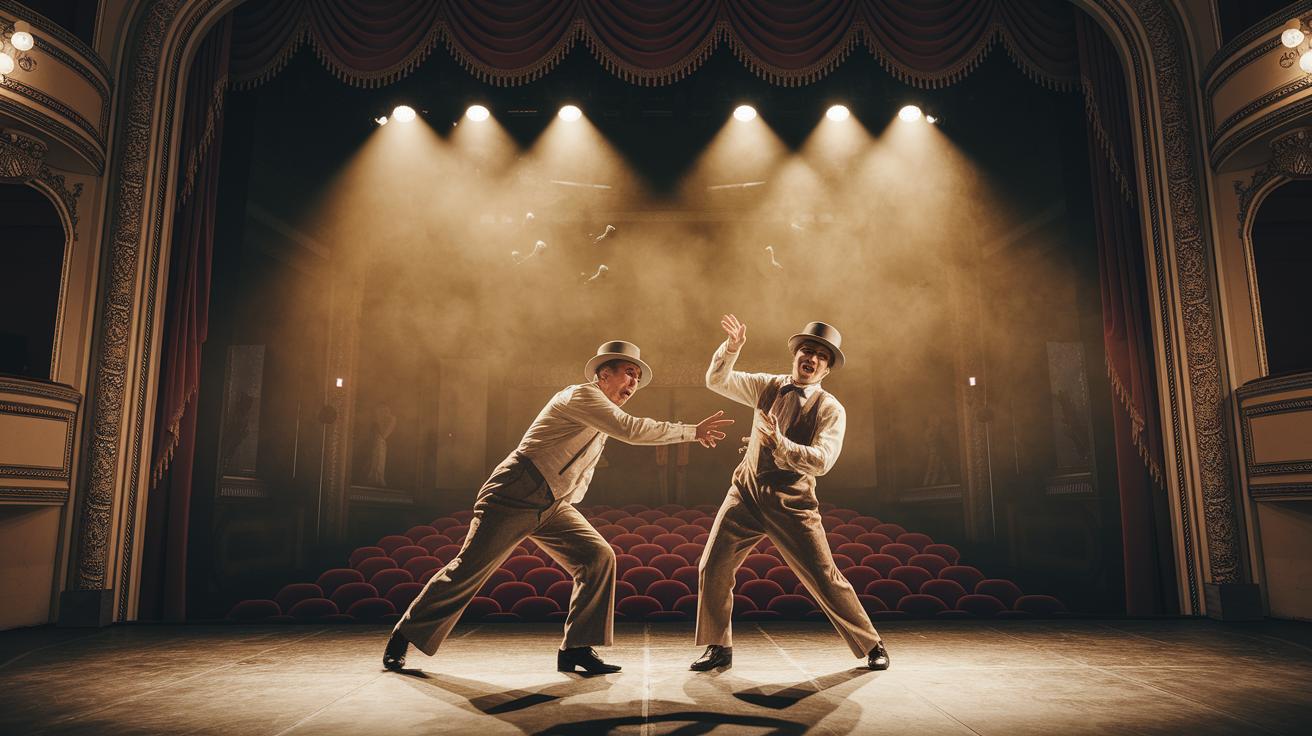
Slapstick comedy started a long time ago in lively Italian theaters (commedia dell'arte) and fun vaudeville shows before moving onto early movies. Back in the 1500s, performers used big, funny moves with simple props to get a laugh, relying on silly falls, clumsy steps, and creative visual tricks to spread humor without many words.
When films came along, silent stars like Charlie Chaplin, Buster Keaton, Harold Lloyd, and Larry Semon took slapstick to a whole new level. They pulled off risky stunts that looked both dangerous and delightfully goofy. Every tumble or wild leap was perfectly timed, giving audiences a mix of surprise and relief that still makes us smile.
Then came acts from Laurel & Hardy and the Three Stooges, who pushed the style even further along with funny ladder mishaps and classic pie fights. Their routines, filled with staged accidents and comic messes, proved that physical humor can be both exciting and heartwarming. Later on, as movies started using dialogue, directors mixed spoken lines with these trusted visual gags, marking a new chapter in the history of comedy.
This journey changed how we tell jokes without words while keeping the heart of physical humor alive. Even today, the clever tricks from these early pioneers inspire modern films, showing that big, bold moves and creative physical comedy are timeless ways to make us chuckle.
Iconic Physical Performers Who Shaped Slapstick Comedy
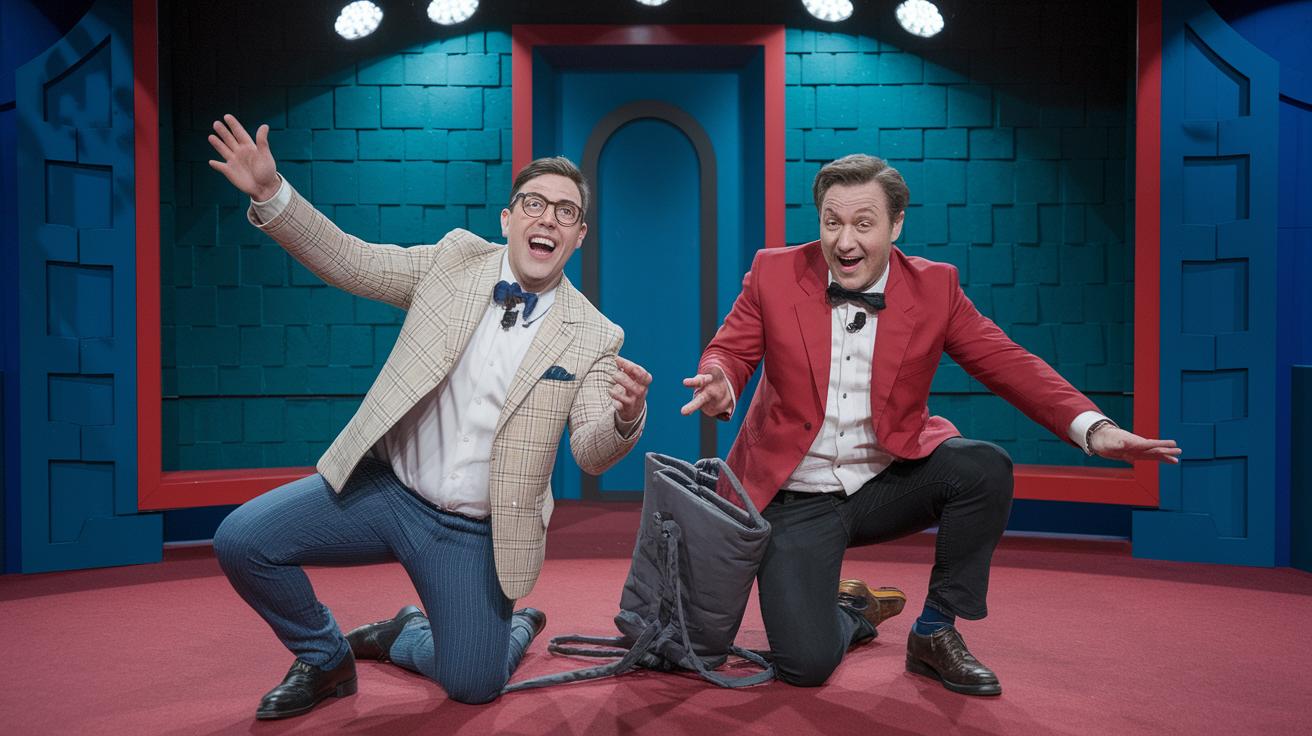
When you think of silly, gutsy comedy, it's hard not to smile at the way great performers turned accidents into art. From the quiet days of silent films to today's lively productions, stars like Charlie Chaplin kept us laughing with his amazing, gear-like moves in Modern Times. His silent steps proved that even clumsy mishaps can be a real treat for the eyes.
Then comes Buster Keaton with his epic rooftop stunt in Steamboat Bill, Jr. His fearless, high-flying stunts made falling look both exciting and fun. It almost feels like you can hear your heart skip a beat with each daring move.
Lucille Ball raised the bar with her classic couch collapse on I Love Lucy. Who wouldn't chuckle when a simple set piece turns into a memorable moment? And Gene Wilder in Young Frankenstein mixed clever wit with physical goofiness for scenes that still bring big smiles.
Next, there's Rowan Atkinson as Mr. Bean. With his deadpan expressions and controlled chaos, he showed that a well-timed look says more than a mountain of words. Newer stars keep that spirit alive too. Jim Carrey's stretchy, wild moves in Liar Liar transform everyday problems into riotous comedy. Melissa McCarthy on Saturday Night Live does the same with bold routines that dance on the edge of what's possible.
Even actors known for drama, like Leonardo DiCaprio in The Wolf of Wall Street, have taken a playful risk with some surprise pratfalls. Blending serious roles with a dash of physical humor shows that a little extra fun can light up any scene.
Each performer is a reminder that slapstick celebrates the joy of a well-timed fall and a burst of laughter. Their mix of smart timing, daring moves, and a big heart inspires future talent to keep pushing the fun limits. Enjoy watching these moments of pure, zany humor, they're just like a live show that never stops surprising you.
Mastering Slapstick Techniques: Gags, Pratfalls & Beyond
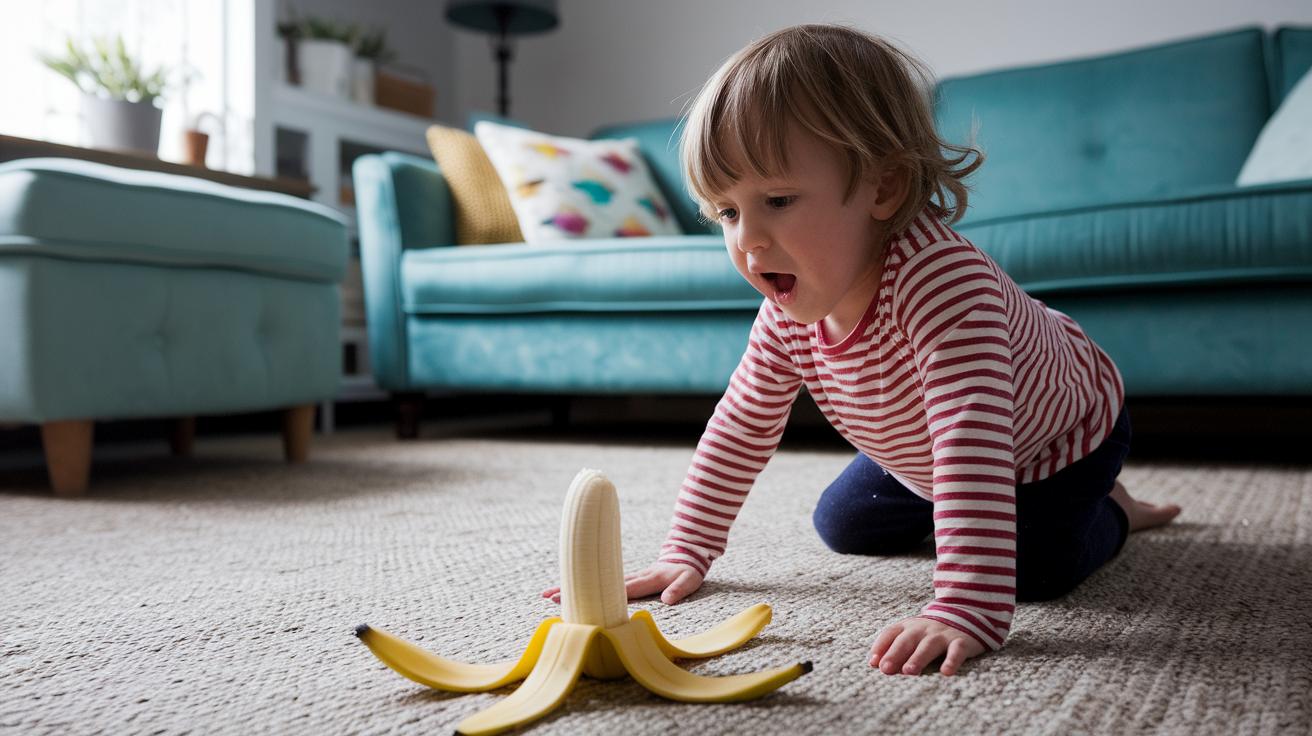
Slapstick comedy is all about setting up clever visuals and nailing the timing to spark genuine laughter. The pratfall is a perfect example. It’s that planned slip or stumble that makes you cringe for a moment before you burst out laughing.
Directors like Mel Brooks, the Zucker Brothers, Edgar Wright, and Wes Anderson have turned these funny moves into art. They mix precise timing with a dash of chaos to create scenes that feel a bit like a well-rehearsed dance. Ever seen a ladder slip or a pie landing just right? It’s not just clumsy, it’s a smart, humorous setup that builds anticipation and then hits you with a big laugh.
Cartoons have also mastered this style. Early Mickey Mouse shorts and Looney Tunes used crazy stretching and exaggerated expressions to make everyday actions pop with humor. Imagine a cartoon kiss that turns into a burst of wiggly smiles, it’s silly, fun, and totally timeless.
Then there’s Jackie Chan, blending martial arts with physical comedy. One daring leap and a well-timed fall can transform a risky stunt into a hilarious, unforgettable moment.
It’s all about turning what might seem like an accident into a moment of pure, joyful entertainment.
Slapstick Comedy in Modern Media & Family-Friendly Films

Slapstick humor is still a lively part of today's media scene, thanks to streaming shows that light up our screens. Take Mr. Bean on Netflix, for example. It brings a fresh twist to classic physical comedy, and short clips on TikTok or YouTube show off those fun, unexpected moments that make you grin.
Family movies know just how to get everyone laughing, no matter your age. Films like Home Alone, Diary of a Wimpy Kid, The Pink Panther, Kung Fu Panda, Peter Rabbit, Despicable Me, The Incredibles, Paddington, Wreck-It Ralph, and Mary Poppins serve up playful gags that are safe and fun for all. They make movie night a time for shared smiles and giggles.
Classic slapstick performers paved the way with their bold, unscripted moves that captured pure fun. Now, today's media keeps that legacy alive by bringing goofy surprises right into our living rooms. It's a reminder that no matter how the world changes, a good laugh from a little fall or a silly mishap is always in style.
Final Words
In the action and fun of our exploration, we broke down the essence of slapstick comedy through its history, iconic performers, and signature physical moves. We shared how classic and modern movies keep us laughing with pratfalls, gags, and even viral online clips. This recap hits the core elements of slapstick comedy while celebrating timeless humor that still captivates audiences today. It's all about that contagious laughter you can feel, leaving you ready for more light-hearted entertainment.
FAQ
What is a slapstick comedy?
The slapstick comedy is a type of humor based on wild physical actions and visual gags that make you laugh through pratfalls and mishaps rather than dialogue.
What are some examples of slapstick comedy movies?
The slapstick comedy movies include classics by Charlie Chaplin and Buster Keaton, as well as modern films like Home Alone and The Pink Panther that use exaggerated physical humor to entertain.
What are the characteristics of slapstick comedy?
The characteristics of slapstick comedy include over-the-top physical actions, visual gags, and a focus on timing and unexpected mishaps that make you laugh at the chaos on screen.
Which actors are known for their work in slapstick comedy?
The prominent slapstick comedy actors include Buster Keaton, Charlie Chaplin, and modern performers like Rowan Atkinson and Jim Carrey who have mastered the art of physical humor.
Is Buster Keaton known for slapstick comedy?
The Buster Keaton legacy is built on slapstick comedy as he is celebrated for his silent film stunts and deadpan humor that turned dangerous gags into timeless entertainment.
Where can I find slapstick comedy online?
The online world offers many slapstick comedy videos on YouTube and lively discussions on Reddit, letting fans share and enjoy classic gags alongside modern twists.
How does modern slapstick comedy differ from earlier styles?
The modern slapstick comedy builds on classic silent-era routines with digital enhancements and family-friendly films, adding fresh twists while staying true to its physical humor roots.
What other comedy styles relate to slapstick?
The related comedy styles include vaudeville, melodrama, screwball comedy, farce, and dark comedy, each using bold, physical, and sometimes absurd humor to spark laughter.
