Ever think that watching a screen might feel a little too passive? Imagine a digital world where you're not just sitting back but actually part of the show.
Picture tapping on a site that reacts right away to what you do. It feels like you're switching from a bystander to a main player in a fun, interactive game.
This kind of experience adds a spark to every click and tap, making each moment count. And it helps brands feel more connected to you, building a real, friendly bond.
As technology keeps changing our world, these interactive moments show us that digital content can be exciting and meaningful at the same time.
Overview of Interactive Digital Experiences and Their Benefits
Interactive digital experiences let you jump right in instead of just watching. You can click, scroll, or even use VR headsets to feel like you're part of the action. These live events show up on websites, mobile apps, or through AR/VR setups, turning you from a bystander into someone who helps shape the moment. It’s a bit like visiting a digital gallery where a simple swipe lets you adjust the scene.
These experiences deliver real benefits that hit home for any brand. They boost engagement, help create strong bonds between fans and brands, and even offer handy data for tweaking your strategy. When you’re actively involved in a dynamic display or live event, you feel a connection that lasts. Studies even show that interactive displays hold attention longer than static pages, providing great feedback for creative improvement.
Think about the difference: a regular page offers information while letting you sit on the sidelines, but interactive content pulls you right into the story. Next, we'll dive into some fresh design ideas that spark excitement with every touch and click, setting the stage for a new era of interactive content design.
Core Design Principles for Effective Interactive Digital Experiences

Design brings interactive experiences to life in a way that feels both fun and natural. It sets a friendly mood, gently guiding you through the content so every click or tap feels right. A smart design plan gives you confidence and makes the journey feel exciting and easy.
-
Narrative-driven user progression: Imagine your experience as a story unfolding just for you. Step by step, it builds excitement with connected scenes and easy hints that lead you along naturally.
-
Intuitive navigation with real-time feedback: No guessing here. The design offers quick, clear signals so that every tap or click lets you know you’re headed the right way.
-
Multi-sensory engagement (audio, haptics, visuals): By mixing sounds, gentle vibrations, and bright visuals, the experience grabs your attention and sparks all of your senses. This makes every moment lively and filled with fun surprises.
-
Adaptive content flow and personalization: The design adapts to match your unique pace and style. It lets the content change based on your choices, creating an experience that feels tailor-made just for you.
-
Seamless cross-device transitions: Whether you’re on a mobile, tablet, or computer, the experience stays smooth and connected. A consistent look and feel across all devices helps build a solid, unified journey.
Put all these ideas together, and you get an interactive experience that feels natural, friendly, and exciting from start to finish.
Interactive Digital Experience Case Studies Across Global Installations
Around the globe, interactive digital setups let you step into vibrant new worlds. These cool examples show how smart tech transforms viewers into active parts of the show, sparking excitement like never before.
| Experience | Location | Technology | Key Feature |
|---|---|---|---|
| Ars Electronica | Linz, Austria | AI-painting & VR | Live interactive gallery |
| Japan Media Arts Festival | Tokyo, Japan | Multimedia & gesture controls | Immersive sound-image |
| Berlin Atonal | Berlin, Germany | 4DSOUND | Spatialized audio |
| MUTEK | Montreal, Canada | VR & generative visuals | Participant-driven narratives |
| MCW Digital Matchday | Online | Video UI | Personalized fan engagement |
The table above breaks down each experience where interactive tech grabs your attention and makes you part of the action. For instance, Ars Electronica in Linz mixes AI-powered painting with a VR gallery. Every tap or swipe unveils a new visual treat.
In Tokyo, gesture controls power eye-catching displays. You can literally create sound and image pairings on the spot, making the art feel personal and thrilling. Over in Berlin, the Atonal event wraps you in a moving soundscape with its 4DSOUND system that plays with spatial audio.
Then there’s Montreal’s MUTEK, where VR meets generative visuals. Here, narratives are built together with the audience, letting every visitor help shape the story. And online, the Manchester City Women’s Digital Matchday uses a clickable video interface to make each fan interaction unique.
These immersive examples set a high bar for digital storytelling. When advanced tech meets creative art, it creates an inviting space where everyone feels like an important part of a dynamic, ever-changing experiment.
Technologies Driving Next-Gen Interactive Digital Experiences
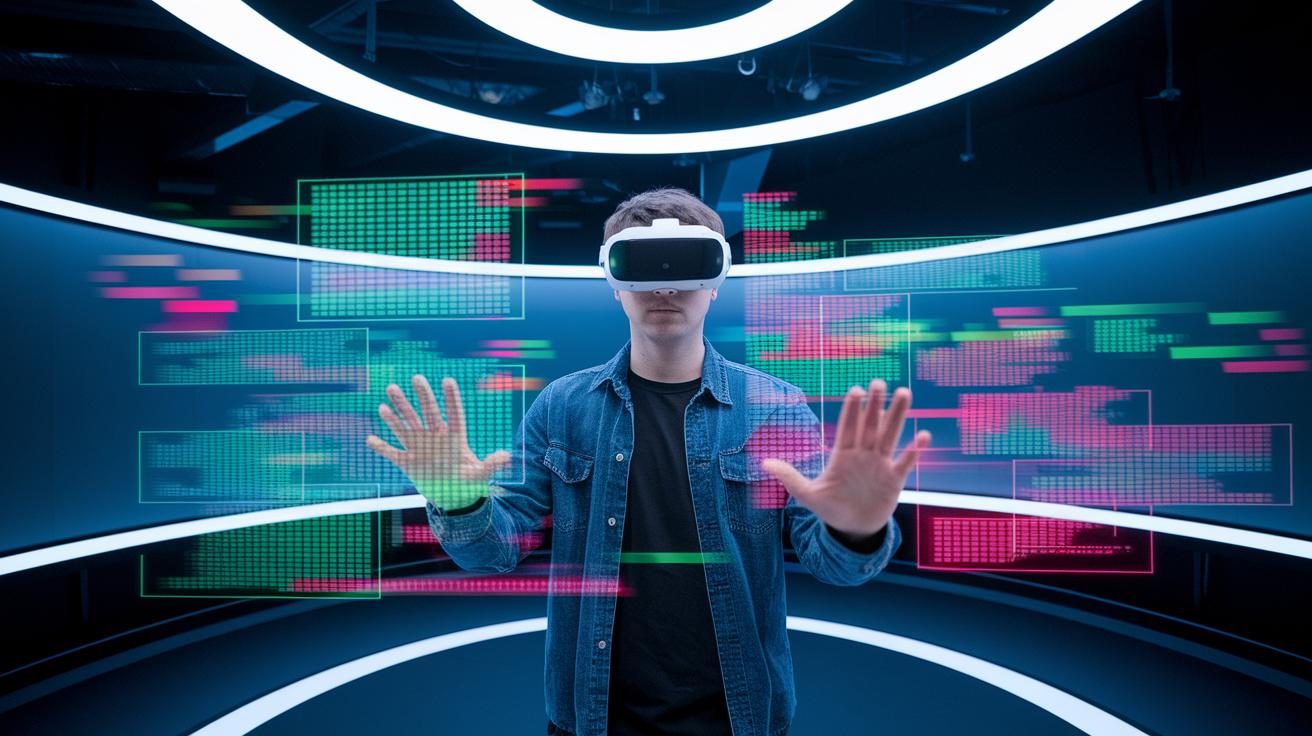
Interactive digital experiences depend on the latest tech that turns basic actions into lively, unforgettable moments. Today, AR overlays, cool VR worlds, and smart AI engines team up to spark genuine excitement. This blend of innovations is paving the way for the next wave of multimedia platforms and interactive kiosks, offering you personalized, touchable, and eye-catching experiences that stick with you.
- AR overlays for context enhancements: mix digital elements with your real world in a seamless way.
- VR environments for complete immersion: whisk you away into vibrant, interactive digital realms.
- AI-driven personalization engines: adjust experiences on the fly based on what you do, making every encounter special.
- Spatial audio systems (like 4DSOUND): create moving soundscapes that follow the action and really energize you.
- Haptic feedback devices for touch sensations: deliver real-feel responses to make interactions more engaging.
Merging these technologies does come with its fair share of challenges, such as making everything work smoothly across different platforms and blending various systems into one. Developers are hard at work mixing up these tools while keeping the user experience front and center. It takes smart planning, plenty of testing, and a bit of tweaking here and there to make sure every moment is as memorable and easy to enjoy as possible.
Best Practices for Creating Participatory Interactive Digital Experiences
When you design interactive digital experiences, you are building something that reacts to every user move. It feels like you are having a one-on-one chat with your audience as you tweak the design in real time.
Start by holding regular user testing sessions. This means you gather opinions, fine-tune the design, and fix any usability hiccups along the way. Think of it as adjusting the recipe until it tastes just right.
Next, set up simple analytics dashboards. These let you see how people move through your content and help you zoom in on spots that might need a little extra polish.
Make sure your design is accessible for everyone (that means following basic guidelines so everyone can use it easily). It is like opening the door wide so all your guests feel welcome.
Also, work on creating responsive designs. Whether someone is watching on a mobile, tablet, or computer, they should always enjoy a smooth experience.
Give users choices with branching narratives. This lets them pick paths that suit their interests, almost like choosing your own adventure.
Add in a bit of gamification. Turning learning into a playful challenge can help boost interactions and keep things fun and engaging.
Plan for growth, too. Make content updates easy so your design can evolve as your audience and their needs change.
By putting these practical ideas into action, you build a design framework that grows with user behavior and market trends. Regular tweaks based on real data keep your digital experience fresh and exciting, drawing users in and helping them feel connected over time.
Future Trends in Interactive Digital Experiences

Tech is always moving, and the way we tell stories is changing fast. We're seeing AI-powered stories that change depending on your choices, 5G-fueled AR and VR that connect you in a flash, and social media tools that let you share cool content as it happens. Cross-reality events mix the real world with digital fun, while machine learning makes each experience feel truly special.
Brands and creators need to watch these changes closely. Early moves with AI and 5G can give them a big edge in crafting engaging online experiences. Investing in smart tech now means you can tweak your events on the fly and tell better stories based on quick data. Top companies are already testing out these ideas, showing that being bold with new tech builds even stronger connections with your audience. It all comes down to jumping in now to set the stage for creative breakthroughs and a lasting impact in our fast-changing digital world.
Final Words
In the action, we explored how interactive digital experiences bring users closer to captivating content. We broke down the benefits, design essentials, and real-life examples of events that make interactivity pop.
The post also highlighted key technologies and practical tips that help create memorable encounters. By blending innovative design with smart tech choices, there's plenty of room for creative breakthroughs in interactive digital experiences.
All this shows that the future of engaging online encounters is bright and full of promise.
FAQ
Q: What are interactive digital experiences examples?
A: Interactive digital experiences examples show projects where users actively engage through clicks, scrolls, or VR headsets. They include immersive digital art displays, interactive brand showcases, and engaging marketing pages that invite participation.
Q: What is an interactive digital experiences pdf?
A: An interactive digital experiences pdf is a downloadable guide that compiles visuals and explanations, offering clear examples of interactive elements like clickable visuals and VR interactions to help users grasp the concept quickly.
Q: What is interactive experience meaning?
A: Interactive experiences mean digital encounters where users shape the content with actions such as clicks or swipes. This active participation creates a dynamic connection and boosts overall user engagement.
Q: What are interactive content examples and types?
A: Interactive content examples include quizzes, polls, clickable videos, and gamified infographics. Among the 15 types, you can find surveys, calculators, contests, and interactive storytelling tools designed to boost user participation.
Q: What makes the best digital experiences?
A: The best digital experiences blend seamless design with engaging interactivity. They offer smooth interfaces and personalized journeys, especially in retail through interactive catalogs and tailored shopping experiences.
Q: How does Salesforce power digital experiences?
A: Digital experiences powered by Salesforce use its platform to create interactive websites where users interact with live data and content. This method helps brands update and personalize online encounters with ease.
Q: What defines interactive articles?
A: Interactive articles are pieces that mix text with rich media like images, videos, and clickable elements. They invite readers to explore content in a dynamic way, making the reading experience more engaging than traditional articles.
