Have you ever imagined a story coming alive right around you? Augmented reality (AR) in digital storytelling brings a new twist by mixing real scenes with interactive visuals. It lets you step into the story and join the action instead of just watching from the sidelines.
In this article, we'll show you how simple tools and techniques can lift your favorite tales off the screen and into your everyday world. Pretty cool, right? Get ready to explore new, exciting narratives that change with every step you take.
Practical Framework for Integrating AR in Digital Storytelling
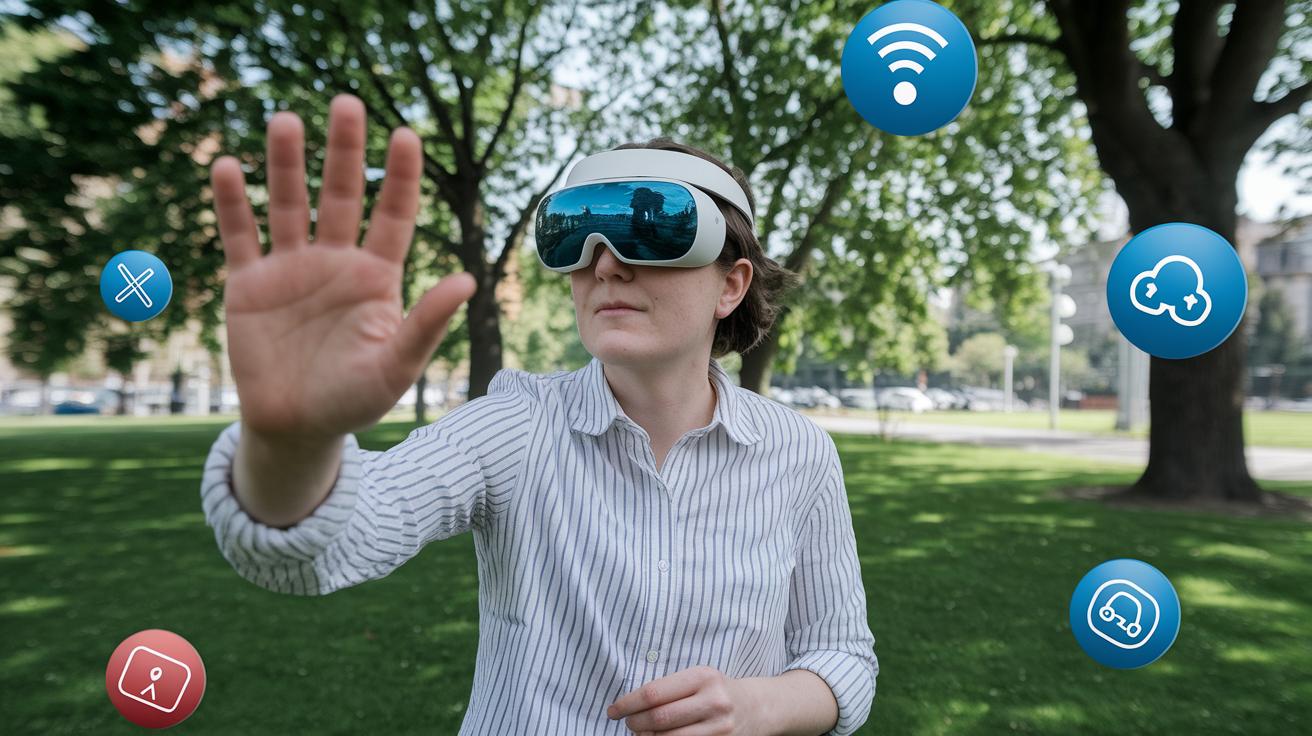
AR adds a digital twist to our world through gadgets like smartphones or AR glasses. It gives digital storytelling a fresh spin by blending virtual bits with real-life settings. This mix lets you step into the narrative, making the story something you can explore, not just watch.
With AR, stories move from a simple watch-and-learn to a hands-on adventure. People can shape the plot with their own moves and interactions, much like the fun surprise of Pokémon Go. Every experience can feel fresh and unique because the narrative shifts based on where you are and what you do.
-
Concept sketching
Start by jotting down your story idea and the digital elements you want to add. Think of it like imagining a mystery that slowly unfolds as you wander through your local park. -
Asset creation
Create the pictures, sounds, and words that will pop up in the world around you. -
AR mapping
Match your digital pieces to specific spots in the real world to guide your story step by step. -
Testing
Run a small trial with a few friends to see how it feels, and then adjust things based on what they experience. -
Deployment
Launch the complete experience for a wider audience, making sure every piece of the puzzle fits just right.
When you mix AR with storytelling, it’s all about balancing dazzling visuals with easy directions. Use clear markers to invite exploration without taking the focus away from the main story. Regular testing, like fine-tuning a live event based on its vibe, keeps everything smooth and engaging. Trust feedback and be ready to tweak your approach, always keeping your story’s heart right at the center.
Selecting AR Tools and Platforms for Enhanced Visual Storytelling

Picking the right AR authoring tools is key to creating fun, interactive stories. When you’re shopping around, think about your devices, the strength of the software development kit (SDK, which helps apps work well), and how easily you can mix these tools with your other creative systems. Look for platforms that come with built-in content marketplaces to make sharing your work simple and keep everything running smoothly on all kinds of devices.
This way, your interactive stories will feel natural whether your audience is watching on a smartphone, AR glasses, or another gadget. For even more info on your options, check out the link for digital storytelling platforms.
| Tool | Type | Platform Support | Key Features |
|---|---|---|---|
| ARKit | Native SDK | iOS | High accuracy, face tracking |
| ARCore | Native SDK | Android | Environmental understanding, light estimation |
| Unity MARS | Cross-platform | iOS, Android | Context-aware simulation, flexible design |
| WebXR | Web-based | Multi-device | Browser integration, ease of access |
When you weave AR into your storytelling, remember to test things on lots of devices to avoid any hiccups. Check out how each platform behaves across different gadgets to make sure your interactive elements stay lively and responsive wherever your audience tunes in.
Design Principles for Immersive AR-driven Story Environments
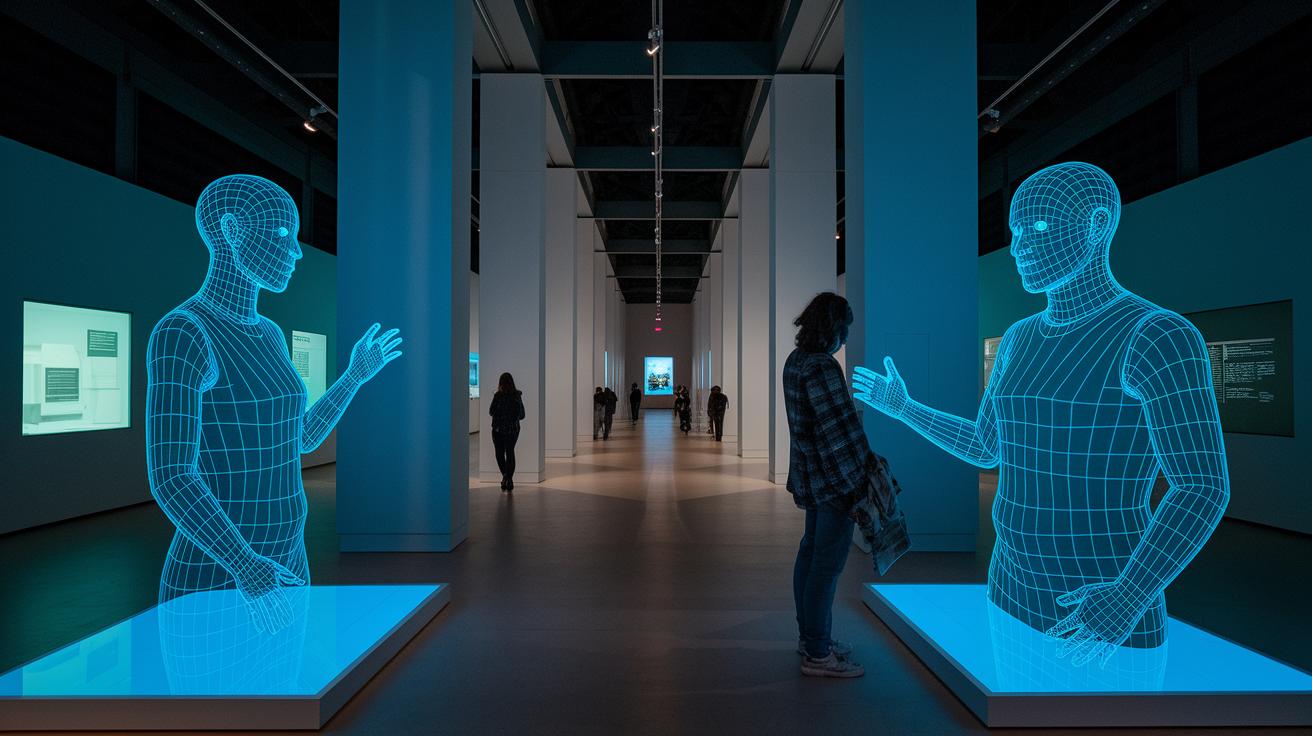
AR changes the way we tell stories by letting viewers control the plot with their own actions. Instead of being just a passive audience, you help shape the ending with every choice you make. Imagine walking through a museum where each turn reveals a fresh chapter that unlocks as you get closer. For example, touching a digital artifact might start a little adventure that alters the course of the narrative, much like a choose-your-own-adventure book.
Mixed reality brings stories to life by using space and our senses. Your surroundings become the stage, where every hallway or wall can hold hidden tales. You might notice a soft sound or a gentle buzz that makes the scene more real. Picture background music rising as a digital character appears, deepening your sense of discovery. This way, design choices work together to stir true emotions, keeping the experience both simple and engaging.
Collaborative AR lets people come together to create shared stories with multiple plot twists. Each person can help steer the story in their own direction, making the experience rich and full of surprises. Whether you are in a small group or part of a big public event, adding flexibility to the narrative means every interaction makes the story richer and more exciting.
Measuring and Optimizing AR Engagement in Digital Storytelling

Measuring key numbers in AR storytelling is super important. It lets us see how people go from just watching to actually joining in the fun.
For example, one creator found that viewers spent 30% more time in interactive parts. That little fact sparked a change that doubled engagement. Have you ever noticed how a small tweak can make everything click?
We look at things like how often users tap on things, how long each session lasts, and which choices they make along the way. These numbers help us know which scenes grab attention and where viewers decide to shape the story. It’s like being at a live show where every beat matters.
Using what we learn from the data, creators can tweak the narrative step by step. They check dashboards and compare how each scene does to fine-tune cues, streamline choices, and keep the story feeling fresh in real time. It’s almost like adjusting a performance between sets to keep the crowd excited.
Case Studies: Successful Integrations of AR in Digital Storytelling

Gaming Case Study
In the gaming world, AR brings stories to life by mixing digital details with everyday scenes. In games like League of Legends and The Witcher, hidden markers reveal cool backstories and secret missions when you point your device at familiar spots. It turns a regular play session into a fun adventure where you help shape the tale. It really feels like your world and the game are coming together in a unique way.
Journalism Case Study
Newsrooms are now using AR to add a new twist to headlines. Picture a news article that lets you tap on interactive 3D images right beside the text. These visual elements transform numbers and stats into neat, easy-to-follow stories. Readers can explore extra details hidden behind the news, making it all easier to understand. Many say it feels more real and connected, updating how we see the news.
Retail & Art Exhibition Case Study
Stores and art shows are using AR to create blended media experiences that capture attention. With AR-enhanced ads and packaging, you can uncover extra product details or discover hidden pieces of digital art. Think of it like the Superblue Miami immersive art experience, where shoppers interact with fun displays in a gallery or store. These moments turn a regular visit into an unforgettable adventure, deepening your connection with the brand.
Future Trends: The Evolution of AR in Digital Storytelling

Next-gen AR gear is ready to change the way we enjoy digital stories. Soon, lightweight glasses and smart sensors will let you interact with tales using natural gestures, almost like you're part of the scene. Innovations like projection mapping and real-time scene tweaks will mix the real world with digital bits so smoothly that every move counts. Some cool new tech, such as LED-based "Volume" stages, shows us that in the near future, live visuals and digital magic will blend perfectly. Did you know that next-gen AR hardware can bring digital stories to life in ways we only dreamed of just a few years ago?
AR is also turning storytelling on its head. No longer are we just watching from the sidelines; we're stepping into the story and shaping what comes next. By using simple hand movements and smart layouts, creators can design stories that change with your every move. Artists are already diving into cool projects like the Van Gogh immersive experience, where digital art meets everyday actions in a fun, interactive way. In short, future storytelling will feel as lively and personal as your favorite live show.
Final Words
In the action, our guide walked you through using AR overlays to bring stories to life. We covered everything from picking the right tools to crafting immersive, interactive scenes. The case studies showed real-world magic in gaming, journalism, and retail. By integrating AR in digital storytelling, you can turn everyday narratives into hands-on experiences. Keep exploring simple steps and creative techniques to spark more memorable interactions. Let your projects embrace the fun side of tech for an engaging, interactive viewing experience.
FAQ
What is AR integration in digital storytelling?
The AR integration in digital storytelling blends digital content with real-world scenes using devices like smartphones, creating interactive and location-based experiences that transform static narratives into engaging, dynamic encounters.
How do you select AR tools for digital storytelling?
The AR tool selection for digital storytelling involves choosing reliable platforms with features like SDK support and cross-device compatibility, ensuring assets can be created, tested, and deployed smoothly across various devices.
What are the key design principles for immersive AR story environments?
The design principles for immersive AR story environments focus on spatial layouts, multi-sensory cues, and interactive elements that allow viewers to influence narrative paths, resulting in a more engaging and personalized experience.
How is AR engagement measured and optimized in digital storytelling?
The AR engagement measurement in digital storytelling tracks metrics such as interaction rates, session duration, and decision points, helping creators refine narratives and improve interactivity for a more active audience experience.
What insights do case studies provide on successful AR digital storytelling?
The case studies in AR storytelling highlight successes in gaming, journalism, and retail, showing how digital overlays in real environments foster deeper audience engagement and offer dynamic ways to share narratives.
What are the future trends in AR digital storytelling?
The future trends in AR digital storytelling include lighter, more intuitive hardware and sensor-based triggers, leading to more natural interactions and real-time narrative adjustments that draw audiences deeper into the experience.
