Ever wonder how one comment online can change an entire game? Imagine developers who used to work quietly now teaming up with fans in real time. Social media has sparked this shift, turning game design into a lively chat between creators and players.
Live feedback helps shape new features and fresh ideas. In our post, we dive into how this change speeds up innovation and builds more engaging, user-focused experiences.
How Social Media Shapes Interactive Media Development
Before social media, teams mostly met in closed rooms, sharing ideas in little brainstorming sessions and testing with just a few users. They often worked separately, with feedback coming slowly from tiny focus groups. This made any design change feel slow and sometimes missed what actual users wanted.
Then platforms like Twitter, Facebook, and Discord came along. They let developers share ideas with a huge worldwide audience, so thoughts spread much faster. Sites like Reddit offered real-time feedback, making it easy for teams to adjust designs on the fly, sometimes a single comment during a beta test could spark a brand-new feature. Developers started seeing common trends in what users suggested, which made future updates feel more like a community effort. Plus, casual chat groups on social platforms turned into spaces where coding tips and troubleshooting tricks were shared openly.
Now, the switch from old-school methods to a social-driven approach has completely changed interactive media design. Developers use direct comments and live reactions to guide changes almost instantly. This shift creates a more nimble process where feedback is a key part of development. It feels like a genuine conversation between creators and users, boosting both satisfaction and fresh innovation. For those curious to dig deeper, check out interactive media design.
Social Media Driven Digital Engagement in Interactive Media

Live streaming on sites like Twitch lets gamers and creators share real game moments with fans all over the world. Imagine watching a stream when a player pulls off an unexpected trick or unveils a cool character in real time. It makes you feel like you’re right in the middle of the action, sharing those surprises along with everyone else.
Interactive media is changing thanks to social media. Creators and developers now get to hear from their audience directly. Many streamers ask viewers to vote on what should happen next during a live show. This helps shape future updates instantly. When fans participate like this, their input really shows brands what matters most to them. It turns a regular broadcast into a lively community event where each opinion counts.
Live, quick feedback keeps everyone interested. Short comments and instant reactions make users feel like a key part of the process, as they see their ideas come to life on screen in real time.
Social Media's Dark Side in Interactive Media
Online spaces can sometimes get pretty gloomy. You know, when harsh comments, bullying, and aggressive behavior creep in, it can really kill the fun. It’s like watching a joyful live show suddenly turn into a gloomy room full of hostility. Have you ever felt that sting from a barrage of negative messages during a live session? It quickly changes the mood from exciting to off-putting, stopping any smooth creative exchange in its tracks.
Repeated attacks can escalate before you even know it. When people keep going after you with relentless personal digs, it’s not just your mood that takes a hit; it also dampens the whole vibe of the interactive community. Casual banter can sour fast, turning friendly chats into bitter debates that spiral out of control. It’s a reminder that digital spaces need kindness to thrive.
Privacy also becomes a big worry here. Social media often collects a lot of user data for targeted ads and trend analysis. Many folks notice these deep data tracking habits and feel like their personal space is being invaded. Without solid privacy protections, trust in these online communities can break down, leaving users less comfortable expressing themselves as they once did.
Social Media's Role in Building Interactive Media Communities and Esports
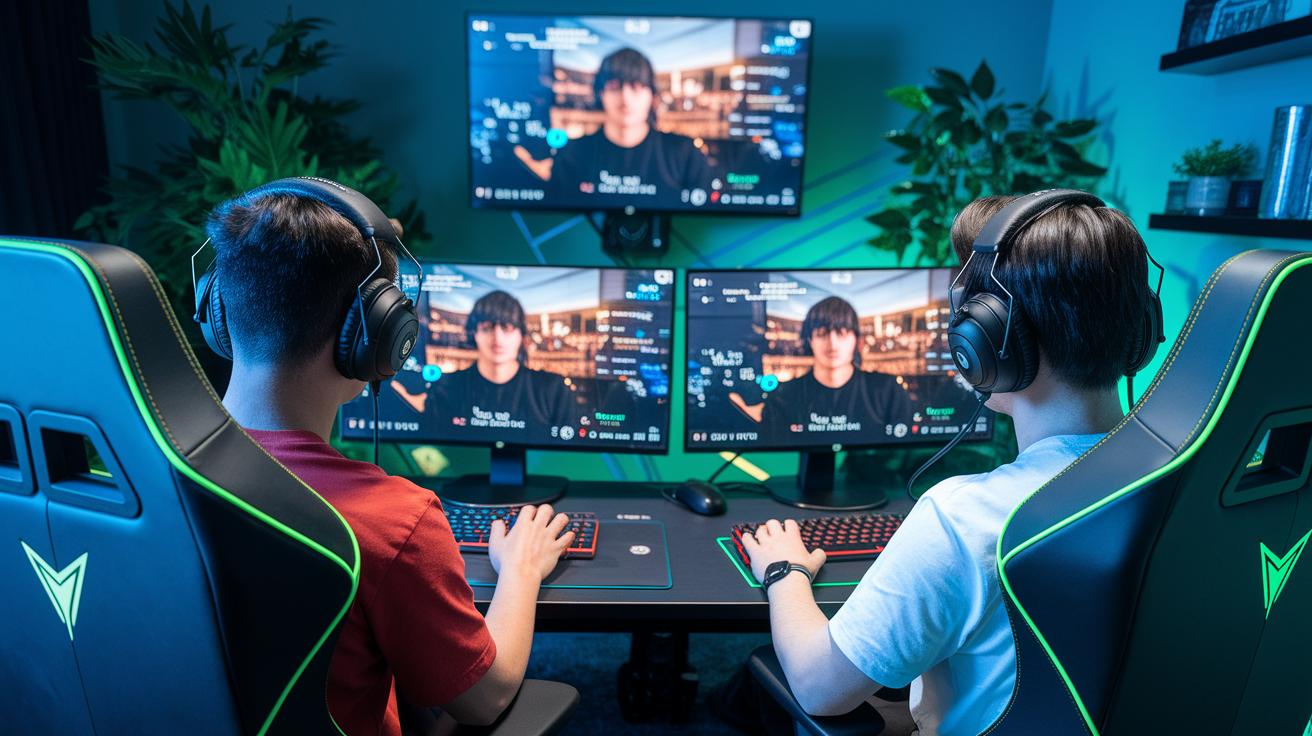
Social media brings gamers and developers together like never before. It connects fans all over the world, making it easy to share cool tips and cheer each other on. Take Twitter, for example. A quick tip can spark a global debate over the best play strategy, and before you know it, you're chatting with gamers from everywhere.
- Sharing gaming tips from all around the globe – "When pros share live strategies, fans pick up fresh ideas in no time."
- Setting up gaming sessions across different time zones – "Imagine tuning into a stream where fans in New York, London, and Tokyo all join in together."
- Fixing game glitches on the fly – "A simple fix posted on Discord can help hundreds of players sort out their issues within minutes."
Esports shows us just how powerful these connected communities can be. Pro gamers and teams use sites like Twitter and Instagram to build fan bases that actually turn online engagement into cash. Thanks to smart corporate sponsorships and partnerships, gaming has grown into a multi-billion-dollar industry. Fans aren’t just watching anymore; they’re getting involved. Their energy drives the growth of esports and helps inspire creative game updates and successful collaborations, as detailed in the esports industry trends.
Measuring Engagement: Audience Interaction Metrics in Social Media Impacted Interactive Media
Social media platforms churn out loads of data that show how people interact with posts. Four simple numbers really stand out here. First, comment count tells you how many people are talking back. Second, the share rate shows how often content gets passed along. Third, session length measures the time viewers spend with interactive content. And fourth, sentiment score gives a quick hint about the overall mood in the conversations. For instance, a sudden jump in comments might mean lots of excitement, and a high sentiment score shows that folks are really enjoying what they're viewing.
| Metric | Description | Example |
|---|---|---|
| Comment Count | Total number of user comments | “500 comments on a live Q&A” |
| Share Rate | Frequency of content resharing | “30 shares during a new feature reveal” |
| Session Length | Time spent on interactive sessions | “Average of 15 minutes per session” |
| Sentiment Score | Mood check based on audience feedback | “Positive reviews after updates” |
Using these numbers in interactive media lets creators tweak content right when it counts. Fast data and timely changes make things more engaging and help keep viewers coming back. When developers notice long sessions or feel-good chat vibes, they know it’s a good idea to invest more in those great features. But if the numbers are on the lower side, it’s clear that changes are needed to keep the audience hooked.
Future Trends in the Impact of Social Media on Interactive Media
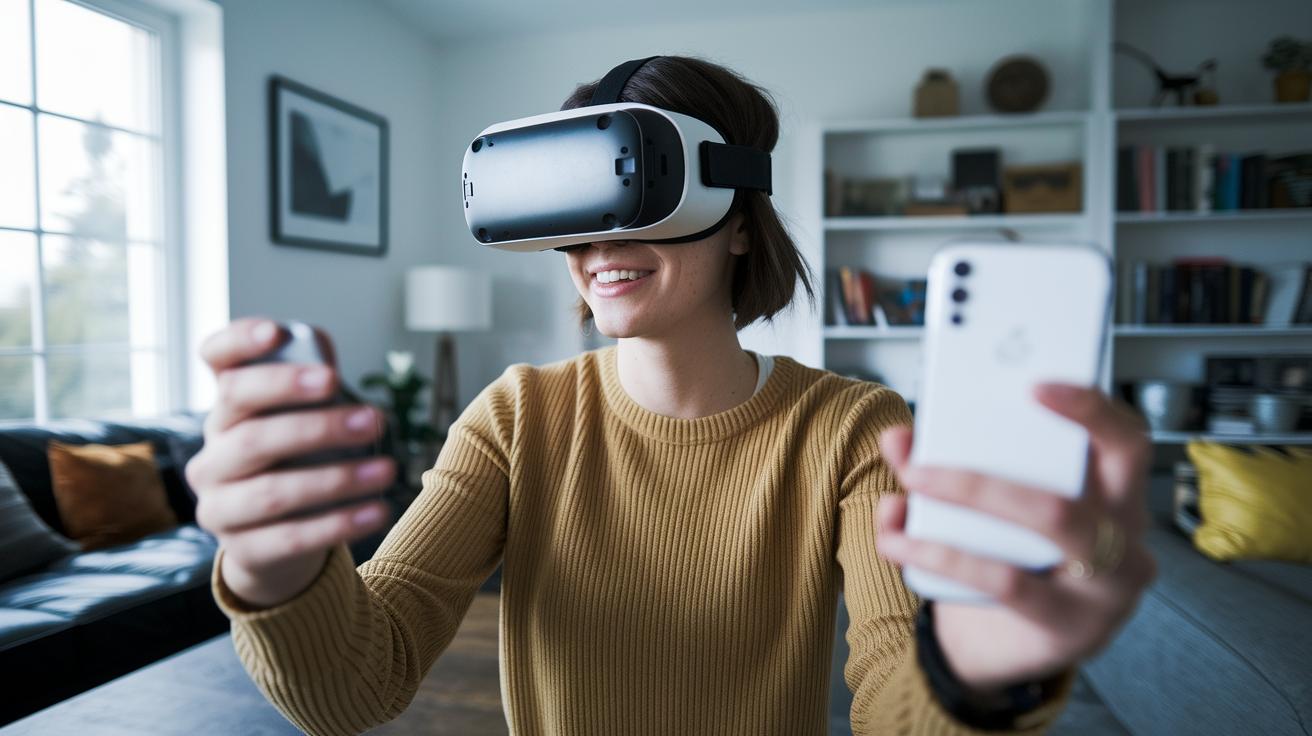
Advancements in VR and AR are changing interactive media in exciting ways. Imagine putting on a headset and stepping into a virtual room where live overlays show social feeds in real time, almost like watching your best friend’s reaction during a digital concert. Early users are already exploring VR spaces that turn social media profiles into immersive worlds, opening up fresh ways to socialize online.
Social overlay features are also shifting how we experience content. Picture scrolling your favorite app and finding fun layers that let you jump into mini-games or vote on live polls. This mix of social feeds with interactive bits does more than just entertain, it turns every scroll into a chance to join in. For example, some early tests showed that users spent 40% more time on platforms with these interactive overlays.
User habits and what platforms offer are set for a big change too. People now crave more than just likes and shares; they want real-time spaces for spontaneous chats and shared adventures. This trend is pushing platforms to add features that make every social interaction feel personal, lively, and as engaging as talking with a friend over coffee.
Final Words
In the action, this article brought us through the rise of social channels and how they shaped interactive media. We saw real-time audience insights spark changes in design, community building, and live digital events. It also covered the challenges that come along with widespread connectivity. The blog post highlighted trends set to transform film, esports, and audience engagement metrics. Social media continues proving its impact on interactive media in a way that keeps fans excited and engaged, shaping a positive future for digital entertainment.
FAQ
What positive impact does social media have on interactive media, entertainment, and how does it qualify as interactive media?
The positive impact of social media on interactive media is seen through global connectivity and immediate feedback. It qualifies as interactive media because it lets users share, create, and shape entertainment in real time.
How does social media impact our society, adults, and overall social interaction?
Social media impacts our society and adults by transforming conversation and connection. It changes how we interact by making communication faster, more inclusive, and often more personal.
How can social media be both positive and negative regarding mental health and information sharing?
Social media affects mental health and information sharing in mixed ways. It offers support and community engagement but can also lead to stress from online conflicts and the spread of false information.
What is the 5 5 5 rule on social media?
The 5 5 5 rule on social media suggests sharing five posts within a set timeframe or across five channels to maintain steady activity and engage your audience without causing overload.
