Ever wonder how a simple skit can light up a quiet stage? These creative skit ideas bring cheer and wit to every scene, making it easy to boost your show without a lot of prep time.
Imagine a scene where characters swap eras or a solo act that surprises you with a clever twist. This post offers clear, easy-to-follow ideas that add a playful spin to everyday moments. So, why not try one out and share a smile?
Fun Skit Ideas to Kickstart Your Performance

Get ready to light up your stage with these fun skit ideas that are easy to set up and sure to bring a smile. Each idea is crafted to spark creativity and keep your audience laughing without needing a ton of prep. Here are some cool concepts to try:
-
Time Travel Trouble
Imagine characters accidentally jumping into different eras with just a quirky hat as a clue. Picture landing at a medieval banquet while using modern slang. It’s silly and unexpected. -
Doctor's Office Disaster
Think of a mix-up at a clinic that turns a normal day into a comedy of errors. A small misunderstanding over a prescription can lead to surprising, funny chaos. -
Grocery Store Mix-Up
Turn a routine grocery trip into a playful scene. Misunderstood labels and oddball customers add quirky twists that can make any errand a mini adventure. -
One-Person Monologue Twist
Challenge a solo performer to start off seriously and then flip the mood with a witty remark. This sudden change keeps the audience on their toes and adds an element of surprise. -
Lost Wallet Escapade
Picture a wallet that disappears and then wanders off on its own funny journey. Along the way, it meets odd characters, turning a simple loss into a playful tale. -
You Don’t Say!
Create a duo scene loaded with quick banter and over-the-top reactions as one character defies every expectation. It’s light, spontaneous, and full of charm. -
Chainsaw Capers
Watch as a normal repair session goes hilariously wrong with a chainsaw in hand. Using simple props to set the scene, the scene builds funny chaos in a very unexpected way. -
Vow of Silence
Follow a character who decides to stop talking. Their clever gestures and body language become the heart of the comedy, showing that even silence can speak volumes. -
Emergency Room Fumble
Set up a scenario where random props, like a dust mop, lead to a burst of physical comedy in an emergency room. The mix of unexpected items sparks loads of laughter. -
Circus Ensemble
Bring a small group together for an impromptu performance inspired by everyday quirks. It’s like a mini-circus that turns normal life into a playful, engaging show.
Each skit offers a simple setup that you can easily build into a lively, fun show that keeps your audience entertained from start to finish.
Creative Scenarios and Characters for Engaging Fun Skits

When it comes to creating skits, try mixing things up instead of relying on the usual storylines. Focus on the behind-the-scenes creative process that makes each performance unique. For example, think about pairing a super-serious character with someone who’s totally quirky. Picture a stiff character meeting a burst of spontaneous energy. You might say, "Imagine a reserved chef who gets surprised by a dancing food critic!"
Why stick with the ordinary, like an office or everyday mishaps? Instead, set your scene in unexpected places such as a quiet midnight supermarket or a quirky garage sale. Consider this twist: "In the middle of a sleepy market, a lost pet suddenly kicks off a hilarious parade of misfit characters!"
Now, let’s talk about timing. It’s like tuning a musical beat. Break your scene into small parts and find moments where a pause can build suspense, almost like the joke is catching its breath. A quick note might be, "Try a brief pause right after the punchline to let the moment sink in."
Lastly, spice things up with unexpected plot twists. Instead of sticking with tired ideas like comic duos or lost wallets, try introducing elements like mistaken identities or funny role reversals. For instance, you could start with, "Imagine the quiet librarian suddenly turning into the life of the party after a quirky misadventure!"
Crafting Humorous Performance Scripts: Step-by-Step Guide

Start by nailing down a clear idea for your script. Grab a simple prop, maybe a hat or a box, to help shape your story. Think about everyday moments, like a funny park encounter or a mix-up at the grocery store. For instance, picture a shopper who mistakes a can of soup for a cellphone. It's a bit messy, but it sure makes you smile.
Brainstorming Funny Concepts
Let your thoughts run wild. Jot down any quirky idea that comes to mind, even if it sounds a little off. Maybe your character gets the weather forecast all wrong or a lost grocery item becomes the talk of the town. One thought could be, "Before stepping into the kitchen, Alex almost dialed a chef on his phone by mistake!" These short bursts of inspiration can soon form the backbone of your script. And chatting with friends or doing a free-writing session can really help mix things up.
Drafting Characters and Dialogue
Bring your characters to life by giving each a unique voice. Pair a serious character with one who's totally out there, it’s that contrast that sparks comedy. When you write the dialogue, keep it punchy and add a few unexpected twists. For example, try something like, "I asked for a cup of tea, not a ticket to confusion!" That small mix-up can turn a simple line into a moment of genuine laughter.
Rehearsal and Timing Tips
Practice really does make perfect. Add a touch of drama with simple, bold movements or a well-timed pause. Just think: right after that punchline, let a quiet moment hang in the air, it can speak louder than words. Keep rehearsing until everything feels just right, with every line landing perfectly in time.
Essential Props, Settings, and Execution Tips for Fun Skits
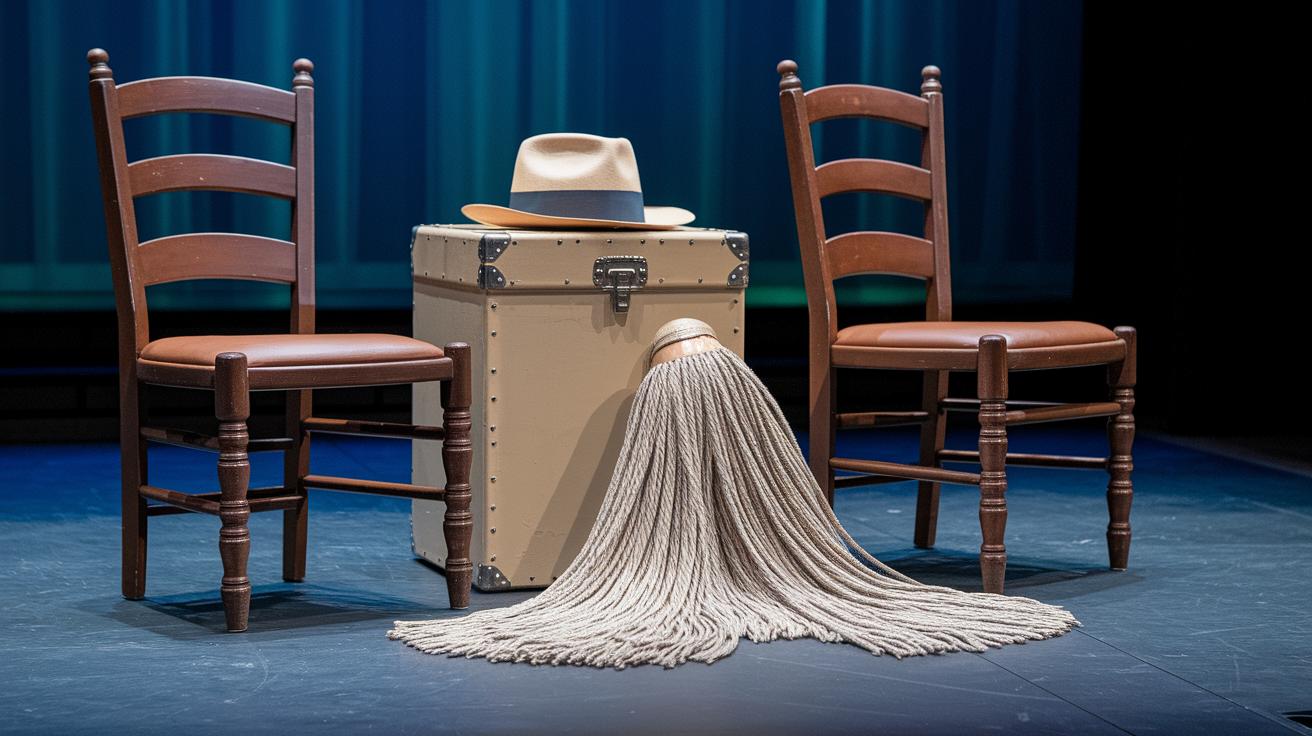
Keep your skit setups clean and fun by using everyday, low-cost props that really shine. Imagine grabbing a simple hat or an ordinary box and turning it into the star of your scene. Picture a dusty mop suddenly stepping into the spotlight as the hero in a funny, unexpected moment.
When you plan your scene, think easy and quick. Use fast set changes and clear signals to show a new scene is starting. For instance, a fake bloody knife or a bouquet taped with a few ivy strands can tell the audience the mood has shifted, even without fancy backdrops. Sometimes, just moving a few chairs or dimming the lights can change everything, like shifting an office meeting into a playful prank.
For team acts, smooth coordination is key. Practice simple moves so everyone knows where to be. After a punchline, have the actors quickly slide to a new spot with one step. These small, clear moves make scene changes flow naturally and keep the action exciting for both performers and the audience.
Advanced Skit Performance Techniques
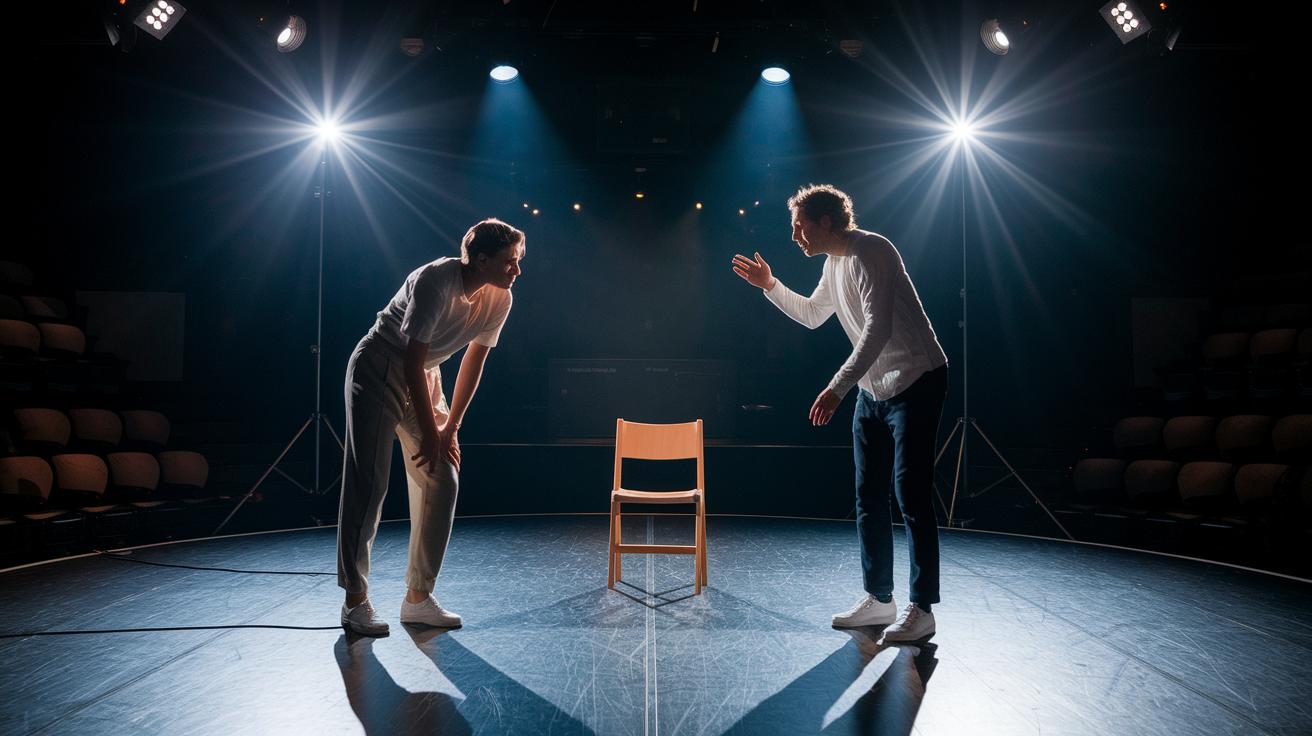
When perfect timing meets smooth stage changes, your skit truly comes alive. Instead of sticking to basic ideas, try adding precise signals and detailed cue timings. For example, an actor might use a gentle tone or a slight change in light to signal, "When the chime sounds, everyone moves to a new spot." It brings an element of surprise while keeping things clear.
Behind the scenes, creating simple routines can boost everyone’s confidence and speed. Short, focused rehearsals let cast members experiment with quick set changes and lively movements. Imagine the director saying, "When the chair moves, let the energy shift right away." It helps the actors stay on point even during fast transitions.
Get creative with props and stage setups too. Everyday items can transform into flexible stage pieces that serve various roles. Picture a table that acts as a barrier one moment and a platform the next. A quick cue like, "Watch the table slide, shifting the scene from calm to chaos," marks a key moment and signals change.
| Technique | Description |
|---|---|
| Precision Cues | Signals planned in advance to keep actors in sync |
| Dynamic Blocking | Well-rehearsed moves that keep the stage lively |
| Creative Prop Use | Everyday items turned into versatile stage elements |
Give these techniques a try during your rehearsals. Focusing on these small performance details helps every skit feel engaging, no matter the size or setting.
Short Timed Comedy Sketches: Two- to Five-Minute Routines
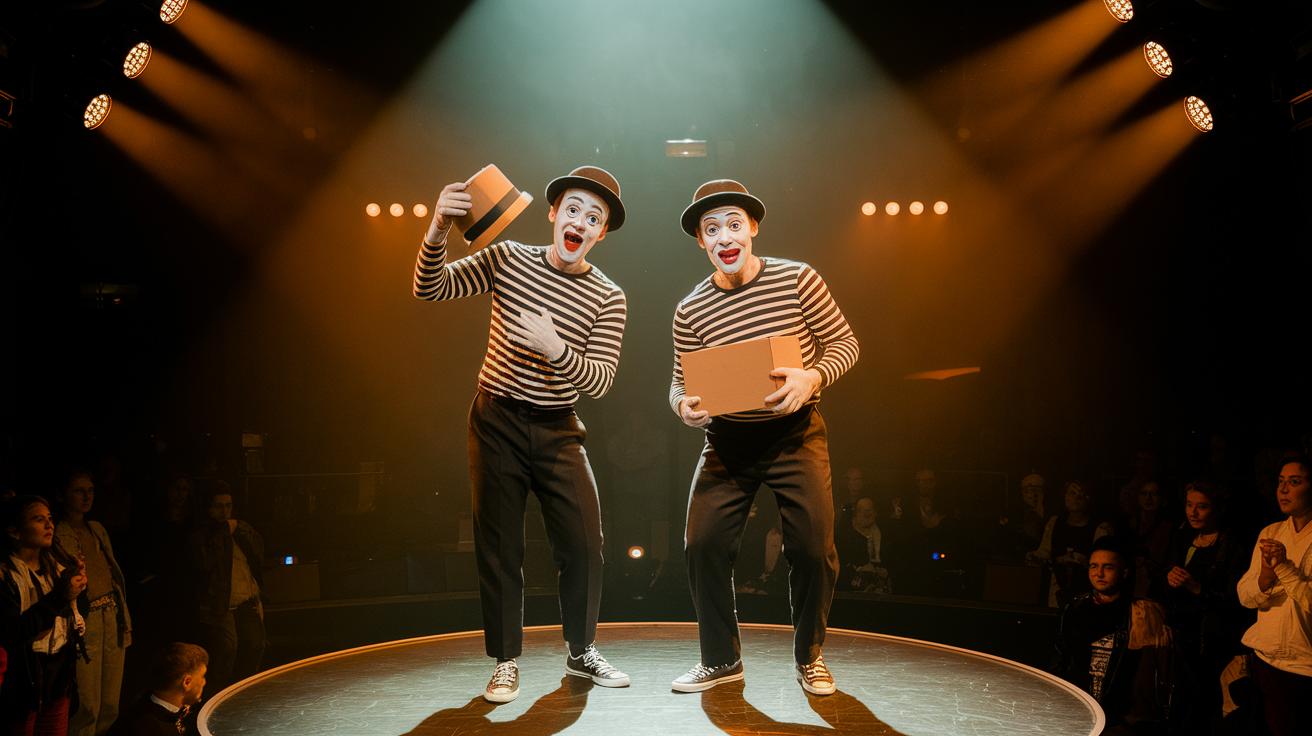
These brief comedy sketches really deliver. They work great for talent shows, open-mic nights, or quick warm-up spots because they mix fun physical antics, clever banter, and bold actions to hit you with fast, funny punchlines. Picture a skit titled "Vow of Silence" where the character only uses wild faces and lively moves to speak, starting with a fun fact like, "Before a mime gets famous, they practice silent tricks that shout louder than words."
The pace is key here. Break your sketch into clear pieces: a catchy beginning, a surprising twist, and a goofy finish. Each action, pause, and line is timed just right to build up the laughs. A well-placed pause after a quick joke can set the stage perfectly for the next burst of humor. Imagine this challenge: "Set a timer for two minutes and see if your cast can tell a full story using only a hat and a box. It’s a fun race against time that sparks creativity."
Simple everyday props help actors focus on the timing and energy of the moment. They turn a regular scene into a lively burst of laughs, making every second count and every quick moment unforgettable.
| Technique | Example |
|---|---|
| Exaggerated Gestures | Big, bold movements that bring out the punchline |
| Quick Punchlines | One-liners that hit your funny bone right on time |
| Precise Blocking | Choreographed actions that switch up the scene in a flash |
Inclusive and Educational Fun Skit Ideas

Let’s make skits that are fun and teach a few important lessons along the way. Try creating characters from different walks of life and give them traits that truly reflect who they are. For example, picture a quirky student who puts a funny spin on a famous speech about equality. Imagine them saying, "I didn’t ask for a history lesson, just a fair chance!" This kind of twist makes a serious idea feel light and inviting.
Here are some simple ideas to get you started:
| Idea | Description |
|---|---|
| Diverse Roles | Create characters with different cultural, social, or school viewpoints so they interact in lively ways. |
| Moral or Historical Humor | Plan sketches that tease famous events or speeches gently, giving everyone a laugh and a moment to think. |
| Relatable Situations | Base your sketches on everyday mix-ups at school or in the community, which makes the humor easy to relate to. |
The goal is to mix fun with a meaningful message. Create moments where a clever joke hints at a deeper idea, like the importance of respect or fairness. You might show a group of friends overcoming their differences with a funny twist on a well-known story. This shows that laughing and learning can go hand in hand.
Final Words
In the action, our creative skit ideas spark the excitement of playful performance. We explored lively setups, witty dialogue building, and smart stage tips that make every moment shine. The article highlighted accessible props and simple settings perfect for quick laughs and engaging acts. With fun skit ideas at the heart of it all, the guide leaves you ready to experiment and bring humor to any stage. The upbeat energy throughout promises plenty of smiles and memorable performances ahead.
FAQ
What are some funny and fun skit ideas for students, school, and college events?
The funny and fun skit ideas for these groups include scenarios like classroom mix-ups, time travel mishaps, and playful monologues that engage audiences with relatable humor and minimal props.
What are some funny and fun skit ideas for adults?
The funny and fun skit ideas for adults use everyday humor, clever dialogue, and routine scenarios that incorporate props and role-play, making them perfect for light, entertaining performances.
What are some fun skit ideas for friends?
The fun skit ideas for friends feature playful banter and light-hearted setups that invite improvisation, ideal for small groups looking to enjoy a casual, interactive performance.
What are short skits with moral and comedy?
The short skits with moral and comedy mix humor with clear, simple messages, offering quick performances that entertain while teaching a lesson in a fun and accessible way.
What are some skit ideas?
The skit ideas include setups like a doctor’s office mix-up, time travel mishaps, and playful dialogues that adapt easily to various group sizes and interactive stage performances.
What is a creative skit?
The creative skit is a performance that uses unique twists, imaginative dialogue, and everyday scenarios to craft a memorable act without requiring complex planning or expensive props.
How do you make a skit creative?
The skit becomes creative by blending surprising turns, humorous dialogue, and relatable situations, transforming simple setups into engaging and uniquely entertaining performances.
What is a skit for kids?
The skit for kids focuses on simple, lively themes and characters, using clear, playful humor and easy-to-follow scenarios that create an entertaining and age-appropriate performance.
