Have you ever thought about how to capture the magic of a film premiere with your camera? Here are some simple tips to help you take shots that you won't forget. Imagine a red carpet bursting with bright lights and excited faces, all waiting for your lens.
Today, we're sharing easy advice on getting press passes, picking the right gear, and finding those perfect spots to shoot. Think of it like setting up your favorite playlist – quick, simple, and totally personalized. So grab your camera and get ready to turn every click into a story as shiny as the stars on the red carpet.
Film Premiere Photographer Tips: Capture Red Carpet Magic

If you're new to red carpet events, your first move is to secure your press pass early. Try reaching out to event organizers through their official website or LinkedIn about two weeks before the premiere so you can lock in your access and know where to set up. For example, you might say, "I'm excited to cover your premiere. Can you help me with the media credentials for the red carpet?" This friendly approach paves the way for a smooth entry and shows you're serious about your work.
Next, think about what pictures you really want. Do you want full group shots of celebrities, close-ups that capture every detail on their outfits, or a documentary feel that shows the buzz of the night? Picture it like crafting a mini storyboard in your head. While checking out the venue, note down spots like cool entrances or designated press areas that could serve as eye-catching backdrops. Mark these as must-shoot locations so you’re ready when the magic happens.
Finally, set up a clear schedule and a gear checklist to match your shot ideas. Map out your timeline to line up with arrival times and press calls, and list every item you might need, from cameras and lenses to flash units and extra memory cards. This simple plan helps you stay focused on the day and makes sure you capture every special moment without last-minute rushing.
Film Premiere Photographer Tips: Essential Gear and Equipment Checklist

When you're on the red carpet, having the right gear makes a world of difference. A mix of lenses lets you grab the big, lively group shots and even zoom in on all the cool details of a celebrity's outfit. Choosing a prime lens set means you can switch between different views quickly, keeping your work smooth and fun.
Here are some essentials:
- Camera body with dual card slots
- Prime lens trio (24 mm, 50 mm, 85 mm)
- On-camera flash units (like Godox V1 or Profoto A1)
- Flash bracket or diffuser
- Spare batteries and UHS-II memory cards
- Portable tripod or monopod
Using manual exposure mode gives you full control of your photo's look in tricky light. Set your ISO, shutter speed, and aperture just right to handle the warm, tinted lighting at premieres. This helps keep out distractions like unwanted shadows or strange color changes. And hey, don’t forget your backup plan. Labeling extra batteries and memory cards means you can swap them quickly, so nothing gets in the way of that perfect shot.
Film Premiere Photographer Tips: Mastering Red Carpet Lighting and Composition
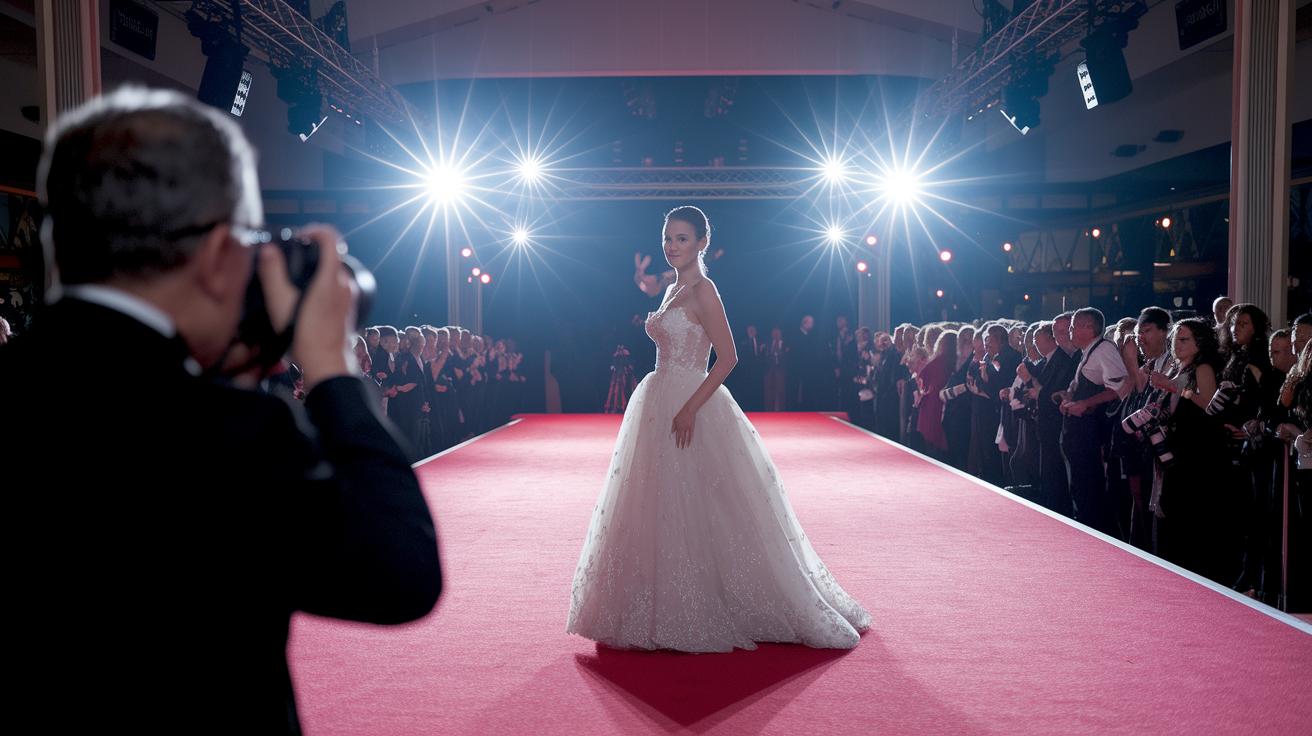
Red carpet events are a photographer's playground but also a bit of a puzzle when it comes to lighting and framing. Most venues use tungsten or LED lights that lend a warm glow to your photos. Try setting your camera's white balance to 3000-3500 K or shoot in RAW so you capture colors just right. Direct flash, whether on your camera's hotshoe or on a bracket, can help clear up shadows and bring out those details. Rotate between TTL and manual flash settings to keep things consistent even when the lighting shifts. When you're framing your shot, leave enough room for headspace, use ropes or stanchions as natural guide lines, and always stay alert to your subject's movement for that spark of energy.
Direct Flash Techniques
For direct flash, clip the flash onto the hotshoe so it matches the camera's angle. Then, adjust the flash power to fill in the shadows without overwhelming the warm light already there. If you want a gentler effect, use a diffusion method like a small softbox or diffusing gel. This trick becomes a real lifesaver when the lighting changes suddenly and you need a quick fix.
Ambient Light Mastery
Nailing ambient light means balancing your shutter speed and ISO in tune with the venue's own lighting. If the warm tones get too strong, add gels or CTO filters to soften them, ensuring your subject still pops. In controlled scenes, a slower shutter speed can capture the venue’s vibe while a higher ISO keeps the image bright. Embrace the natural lighting of the event to add a dash of drama to your photos.
| Technique | Best Use | Pros | Cons |
|---|---|---|---|
| Direct Flash | Quick exposure in tiny spaces | Immediate fill in light | Can make the look a bit flat |
| Flash Bracket | Softer and more diffused light | Offers balanced lighting | Takes time to set up and needs perfect angles |
| Off-Camera Flash | Gives creative control from a distance | Versatile light placement | Needs extra coordination |
Experiment with different angles and framing rules as you shoot. Keep enough room around your subject and use natural lines in the scene to pull the eye into the picture. That way, you capture not just the red carpet's glitz but also the true vibe of the event.
Film Premiere Photographer Tips: Red Carpet Etiquette and Crowd Management

Make sure your badge is visible and check in with PR or media staff about your photo-zone access. When chatting with event team members, simply say, "I'm here to cover the red carpet. Can you confirm my access?" This clear, friendly approach helps avoid any door mix-ups.
Before the event, touch base with your media coordinator to confirm where you should stand. This way, you won't block guest walkways or live cameras. Just listen closely to staff directions and respect any velvet ropes. A quick nod or a brief conversation when they ask for an update can really go a long way in building a good rapport.
On the red carpet, pick a spot on the designated risers that give you the best view without intruding on other photographers' shots. When you're among a few photographers, move swiftly to your planned spot and keep things smooth. A polite, "Mind if I get this angle?" is usually all it takes to keep things friendly and get that perfect shot without any fuss.
Film Premiere Photographer Tips: Capturing Candid Celebrity Moments
When you’re out at a film premiere, set your camera to burst mode at about 5–10 frames per second with a shutter speed of at least 1/200 s. This trick freezes those quick smiles and subtle eyebrow raises that happen in a flash. It’s like catching a tiny burst of magic right when a celebrity gives you that unforgettable grin.
Next, try to position yourself near sponsor backdrops or press walls. These spots not only give your photo some context but also weave in a bit of branded style. Imagine lining up a celebrity against a vibrant logo or themed decor that adds its own little story to the picture. It’s all about creating a scene that pops.
Also, keep your camera in AF-C focus mode so it stays locked on even when your subject is moving. This way, you don’t miss any spontaneous gestures, and every shot comes out crisp and clear. Trust your timing, and you’ll be ready to hit the shutter at just the right moment, capturing that burst of dynamic energy perfectly.
Film Premiere Photographer Tips: Efficient Post-Production and Image Delivery
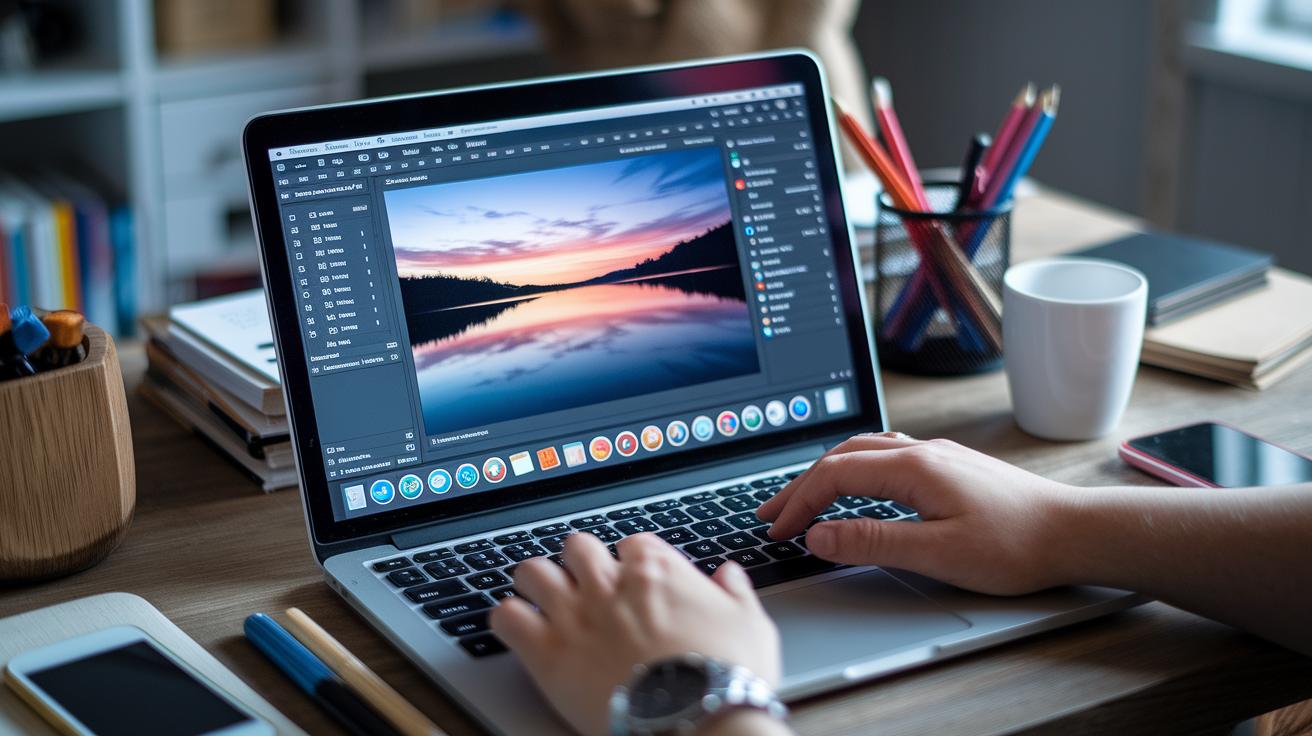
Transferring your files fast through FTP or tethered Wi-Fi to your editing station is a real time-saver. It lets you check your photos the same day so you can keep up with a busy schedule.
Using smart caption methods can really cut down your workload. For instance, tools like Caption Pro use facial recognition (a system that quickly spots faces) to tag people in seconds. That way, you can move straight to polishing your shots without the hassle of manual tagging.
For those final tweaks, batch white balance corrections with your camera profiles keep your colors on point across every picture. Pairing global tone mapping with a gentle skin retouch in Lightroom or Capture One smooths out any little inconsistencies and gives your photos a neat, finished look. Set your export presets in sRGB if you're sharing online, or use ProPhoto RGB for print jobs so your images match their final use perfectly. This method not only speeds up your workflow but also helps you deliver top-notch results, even on tight deadlines. Less time fussing means more time ready to capture that next perfect moment.
Final Words
In the action, we explored everything you need to capture those high-energy moments. We covered accreditation, planned shot styles, and must-have gear choices, mixed with red carpet lighting tricks and respectful crowd moves.
Each part broke down red carpet etiquette, spontaneous celebrity snaps, and streamlined post-production steps. It’s all about prep, timing, and a sharp eye for detail.
Keep your excitement high and your camera ready with film premiere photographer tips.
FAQ
Frequently Asked Questions
Q: What are some key film premiere photographer tips for beginners?
A: The film premiere photographer tips suggest planning ahead by obtaining accreditation, contacting media coordinators early, preparing gear lists, and mapping shot priorities to capture the best moments.
Q: How does one shoot 35mm film video?
A: Shooting 35mm film video means using manual controls, proper film stock, steady camera movement, and checking light metering thoroughly before and during the event to achieve smooth recordings.
Q: What are helpful tips for 35mm film photography beginners?
A: The 35mm film photography tips advise beginners to experiment with manual settings, practice accurate focusing, and adjust for varied lighting conditions to build confidence with your film camera.
Q: What is the rule of thumb for film photography?
A: The rule of thumb for film photography is to master light metering and exposure calculations, ensuring that each shot is balanced and the film captures the scene just as you envisioned it.
Q: How do film and digital methods compare for premiere shoots?
A: Shooting on film offers classic textures and a nostalgic feel, while digital provides instant previews and high sensitivity to light. Your choice depends on the event style and personal preference.
Q: How can I efficiently organize a film premiere event?
A: Organizing a film premiere requires arranging accreditation, coordinating with media staff, planning a detailed shot list linked to event timing, and preparing a checklist for all your gear and schedules.
Q: How much do film still photographers typically make?
A: Film still photographers’ earnings vary widely by experience, event scale, and client budgets, with rates ranging from modest fees for small events to higher payments for larger, high-profile premieres.
Q: Which camera models work well for film premiere photography?
A: Cameras like the OM System OM-1, Canon AE-1, and Pentax K1000 with a 50mm lens are favored for their classic performance, reliability, and ability to capture vibrant scenes during live events.
Q: What are the differences with Olympus OM-D models for film premieres?
A: The Olympus OM-D E-M10 Mark IV and OM-D E-M1 Mark II offer compact designs, fast autofocus, and image stability, making them excellent choices for capturing swift, high-impact moments on the red carpet.
Q: What makes the OM System OM-5 a good option for premiere shoots?
A: The OM System OM-5 combines a lightweight design with advanced shooting features, ensuring you stay mobile while delivering quality images during hectic film premieres.
