Have you ever noticed how pictures, sounds, and words can bring a memory rushing back and lift your mood? Digital storytelling does just that by mixing fun images, catchy sounds, and text to grab your attention.
In classrooms, 90% of students say they learn better when facts turn into a story. Teachers have seen more focus and creativity when lessons feel like a real-life story.
It’s a bit like looking through your favorite photo album, each piece adds to a vibrant picture that makes learning both fun and memorable.
Digital Storytelling Advantages: Engagement, Communication, Learning & Emotional Growth
Digital storytelling grabs your attention right away with cool hooks and fun media like pictures, sound, and video. It mixes voice, text, images, and audio into a lively story that sticks with you. It even sparks happy brain chemicals like dopamine and oxytocin, making it easier to remember what you see and hear. This method fits perfectly with the Universal Design for Learning by covering why we care, what we see, and how we share.
When teachers and students team up to create these stories, they spark creativity and boost smart thinking. It’s a way for everyone to learn, whether you like seeing pictures, listening to sounds, or doing hands-on stuff. And as the story unfolds, it helps everyone explain their ideas in their own words. Have you ever felt that burst of excitement while sharing your own tale?
- Technical benefits: Better mix of media and easier access.
- Cognitive benefits: Sharper thinking and learning through creative play.
- Emotional benefits: More empathy and stronger social skills.
The tech side of digital storytelling makes it a handy tool in the classroom. Educators use digital tools like videos, quizzes, and visual aids that break down tough topics. It’s like having a digital canvas where you can experiment with different ways to tell your story. Think of it like planning your favorite photo album, where every picture holds a special memory.
On a brainy level, this storytelling sparks critical thinking by pushing everyone to put ideas into their own words. Students get to plan a neat story arc, pick clear details, and decide how to use images and text. This fun challenge makes even big ideas feel clear and real. Try thinking about it like this: “What if every fact had a friend in a story?”
Emotionally, digital storytelling helps build real connections in the classroom. Sharing personal experiences through stories not only teaches important life skills but also builds a caring community. When students open up about their own journeys, it reminds everyone that their voice matters. Ever felt that warm glow when you know your story can make someone’s day a little brighter?
Digital Storytelling Tools and Platforms for Online Story Development
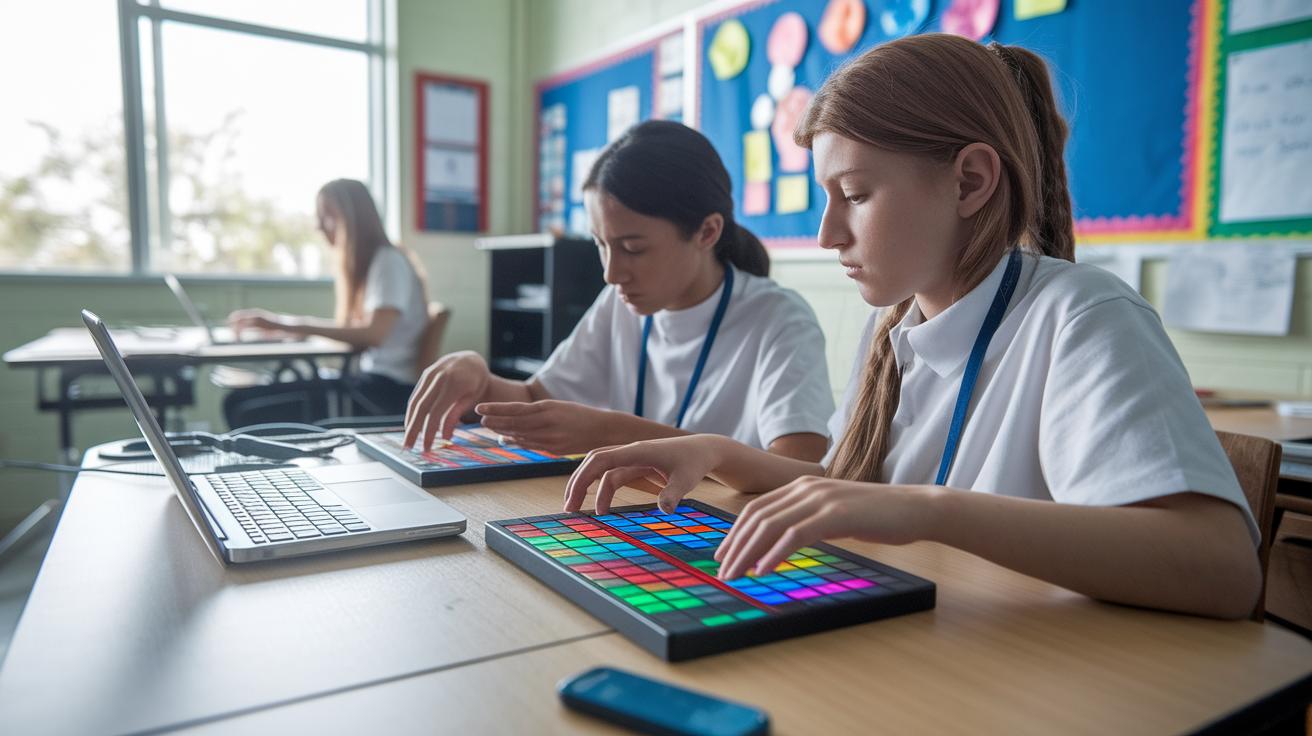
WeVideo is a cool cloud-based platform that makes creating videos feel like playing on a digital playground. It lets teachers and students work together easily by adding pictures, sounds, and text to build fun stories that grab your attention. And with PlayPosit, you get in-video quizzes and simple analytics that turn every click into a chance to interact.
Adobe Express, which many of you may know as Spark, is another handy tool that speeds up your design projects. It comes with free, ready-to-use templates that help you mix images, videos, and even web pages into one neat story. For younger storytellers, the Draw and Tell app makes it as easy as doodling and chatting. Plus, there are extra tools like YouTube’s editor, iPhoto, GarageBand, and iMovie that let you use Creative Commons media to bring your ideas to life.
These digital storytelling tools are a big win in classrooms and creative studios alike. Teachers love how they meet standards while sparking creativity and hands-on learning. Script-makers and video buffs appreciate the freedom to blend different types of media into something uniquely theirs. Whether you’re a teacher trying to make lessons fun or a student crafting a personal tale, these platforms boost understanding and excitement. They give you the chance to mix technical skills with a bit of creative magic, making your stories memorable and engaging.
Examples and Success Stories of Digital Storytelling
Emma Bright's "My Defining Moment" is a stand-out story that mixes personal experience with deep feelings. In it, she shares a hidden turning point with clear photos and sound clips that draw you right into the moment. Imagine a student saying, "Before I found my voice, quiet moments were my only escape." This kind of storytelling pulls at your heart and encourages others to share their own stories, proving that every voice counts. Check out these digital storytelling examples if you’re curious for more.
MRH Middle School's "Dauphin Island Reflection" and Ollie J.'s "Eleven by Sandra Cisnaros" show how teamwork and creative media can bring history and community to life. In "Dauphin Island Reflection," students mix video clips, photos, and live talk to weave a story that celebrates their shared history and community pride. Meanwhile, Ollie J. uses digital tools to break down complex historical events, inviting viewers to feel the emotion behind the facts.
In classrooms, projects like Emotions Through Video, the Collaborative Research Project, the "I Am" Poem, and Bring Your Book to Life let students blend text, images, and sound into their own engaging stories. These projects ignite creative sparks, boost active listening, and give students a fun way to share their unique perspectives.
Best Practices for Implementing Digital Storytelling in Learning and Marketing

When you dive into a digital storytelling project, start by sketching out a clear path with a beginning, middle, and end. Think of it like planning a trip and filling in real details such as names, dates, or key numbers. For instance, you might share, "On May 5, the school experienced a breakthrough that changed class projects forever." Then, publish your work, ask for feedback, make changes, and check how it all works together. This back-and-forth keeps your story fresh and on track with engaging digital media.
Next, pick the digital tools that work best for your project. Choose platforms that match your goals and speak to your audience. Each tool, whether for video, images, or audio, adds its own flavor to your narrative. A simple tip: kick off your project with a hook that grabs attention, like a vivid image of a bright morning or a standout moment. Plus, using Creative Commons resources can boost your visual library without extra cost.
Finally, let your viewers or learners choose how they want to experience the story. Offer various formats, text, audio, video, or mix them up. This choice makes the storytelling process more interactive and personal, turning every creation into a lively expression of ideas. Isn't it cool when everyone gets to enjoy the story their own way?
Final Words
in the action, we unraveled how digital storytelling grabs attention and fuels creative communication. We covered smart platforms, heartfelt success stories, and clear ways to boost engagement in both learning and media projects.
We explored how practical tools and real-world examples can make content more relatable. The benefits of digital storytelling shine when audiences connect through genuine, interactive experiences. Embrace this energy and let creative expression uplift every project.
FAQ
What are the benefits of digital storytelling in the classroom and for students?
The benefits of digital storytelling in classrooms and for students include improved engagement, better retention of material, and enhanced social-emotional skills. It helps learners express their ideas using multimedia formats.
What are digital storytelling examples, including those for students?
The digital storytelling examples for students involve projects like multimedia narratives, video stories, and interactive presentations that blend visuals, sound, and text to make learning exciting and relatable.
What are the types of digital storytelling?
The types of digital storytelling range from narrated photo slideshows and animated videos to interactive essays and audio recordings, each offering a unique blend of visuals and narrative to share ideas effectively.
What is a digital storytelling research paper about?
The digital storytelling research paper explores how multimedia narratives boost student engagement and learning. It looks at creative techniques, measurable benefits, and evidence-based strategies that support emotional and academic growth.
What are the 5 C’s of storytelling?
The 5 C’s of storytelling include clarity, coherence, creativity, connection, and conciseness. These principles help storytellers craft messages that are easy to understand and appeal directly to the audience.
What are the five main elements of a digital story?
The five main elements of a digital story are a clear narrative arc, compelling visuals, engaging audio, a personal voice, and a focused message that together create a memorable story experience.
What is the impact of digital technology on storytelling?
The impact of digital technology on storytelling is seen through greater creative freedom, interactive features, and the ability to reach wider audiences. It makes sharing personal narratives easier and more engaging.
Why is storytelling so powerful in the digital era?
Storytelling in the digital era is powerful because it combines visual, audio, and written elements to create memorable experiences. This mix sparks emotions and helps audiences connect with the content more deeply.
