Ever wondered if celeb chats could turn from stiff, awkward moments into inspiring exchanges? After spending time with stars, it turns out that keeping things relaxed and personal makes all the difference. Instead of following a strict script, a friendly, off-the-cuff conversation lets us hear unique stories that really stick with us. In the end, a little prep and honest talk create interviews that entertain while giving us genuine insights.
Core Anatomy: What Defines a Great Celebrity Interview
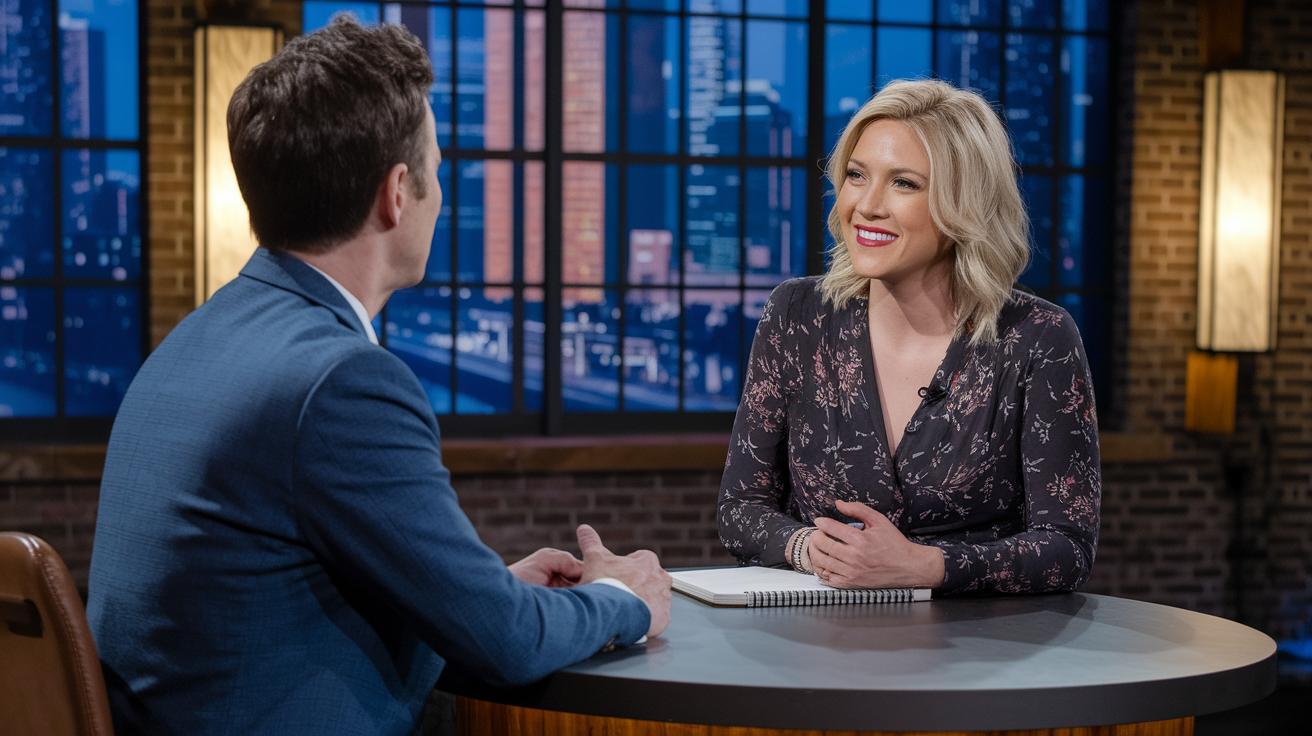
After doing about 10,000 interviews with stars, our host learned some hard lessons along the way. In the early days, there were plenty of stumbles, stuttering, reading every question word for word, and even freezing on camera. Over time, a shift happened. Instead of sticking to a strict script, our host started doing solid homework on each guest and turned the interview into a relaxed conversation, not an interrogation. For instance, kicking things off with a personal story can really set a friendly tone. I once felt those jitters before talking to a major star, but learning about their early struggles turned that nervous energy into genuine connection.
- Preparation: Spend time looking up career milestones and recent projects.
- Question design: Ask open-ended questions that invite real storytelling.
- Rapport: Build trust by keeping eye contact and staying relaxed.
- Flow: Divide the conversation into clear, focused parts.
- Delivery: Talk naturally with empathy and calm confidence.
These five foundations act like a blueprint for a great chat. Switching from a rigid Q&A to a friendly back-and-forth changed everything. When these parts blend together on camera, the interview feels spontaneous and insightful. This style not only hooks the audience but also lets the guest share unique, heartfelt stories that make the whole experience shine.
Research and Preparation for Star Dialogue
Getting ready for a celebrity interview is much more than just reading a quick bio. When you dig into a guest’s big career moments, current projects, and personal stories, the conversation feels real and lively. In old days, interviews had generic questions that just didn’t hit the mark. Now, knowing more about your guest makes the chat feel genuine and shows that you really care about their journey.
Spending time on research makes the dialogue feel warm and natural. It means checking out press kits, social media, and past interviews to get the full picture of who they are. This custom approach sets a relaxed mood and tells the guest that you value their unique story.
- Create a timeline of their career for context.
- Find a fresh angle for the interview.
- Double-check each fact and story.
- Write down personalized follow-up questions.
Following these steps builds a strong base for a deep and engaging conversation. Every bit of detail on your guest helps tie the discussion together, making the interview feel personal and thought-out.
Crafting Engaging Questions and Dialogue Flow
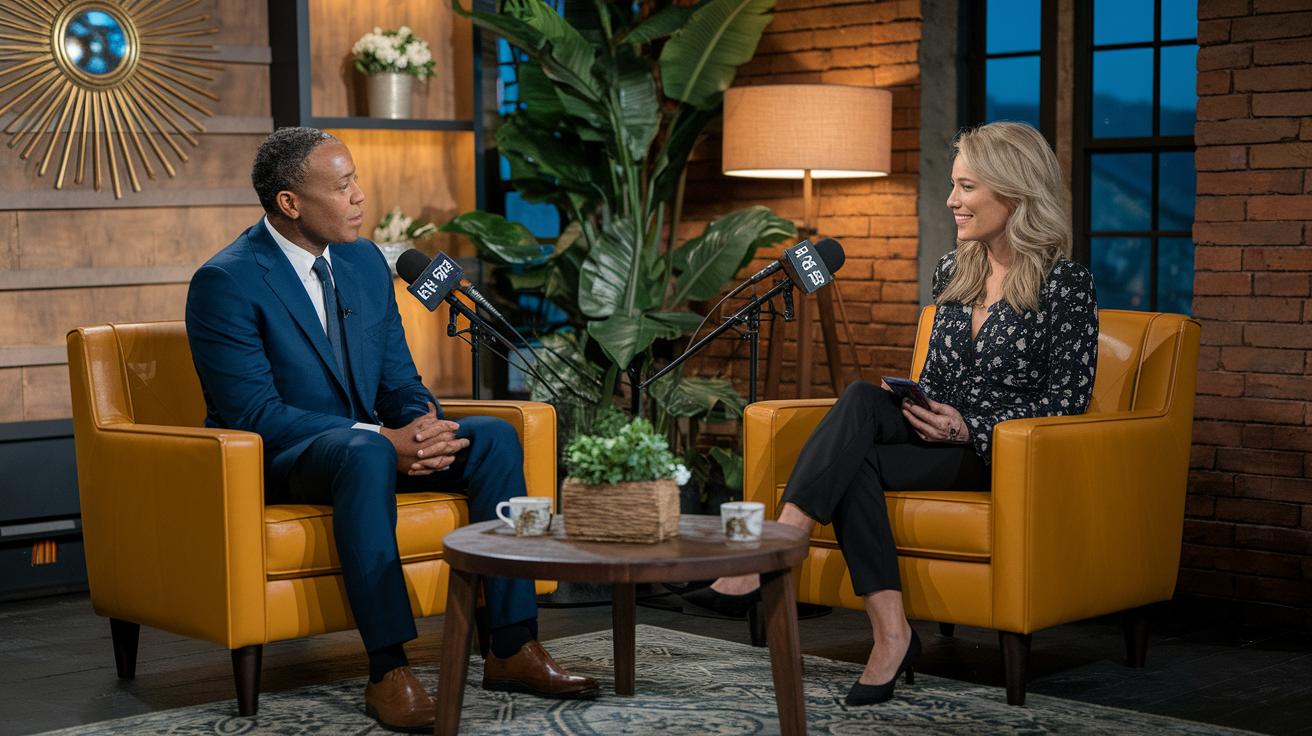
When you set up an interview, it helps to start off light and then gently go deeper. Imagine opening with a question about a fun childhood memory, something that feels personal and warm. This way, the talk feels less like a stiff interrogation and more like a friendly chat.
- Tone calibration: Start with upbeat, friendly questions that match your guest's vibe.
- Pacing: Give them a moment to pause, think, and share.
- Personalization: Change up your questions by using little details from their career or personal story.
- Question length: Keep it short and clear so nothing gets lost.
- Bridging techniques: Easy questions should lead smoothly into the more thoughtful ones.
- Planned spontaneity: Add a surprise follow-up when the moment feels right.
Using open-ended questions makes the conversation lively and natural. When you mix in personal stories with questions that take a thoughtful turn, you turn a simple Q&A into a fun and meaningful exchange for both your guest and the audience.
Building Rapport and On-Camera Presence
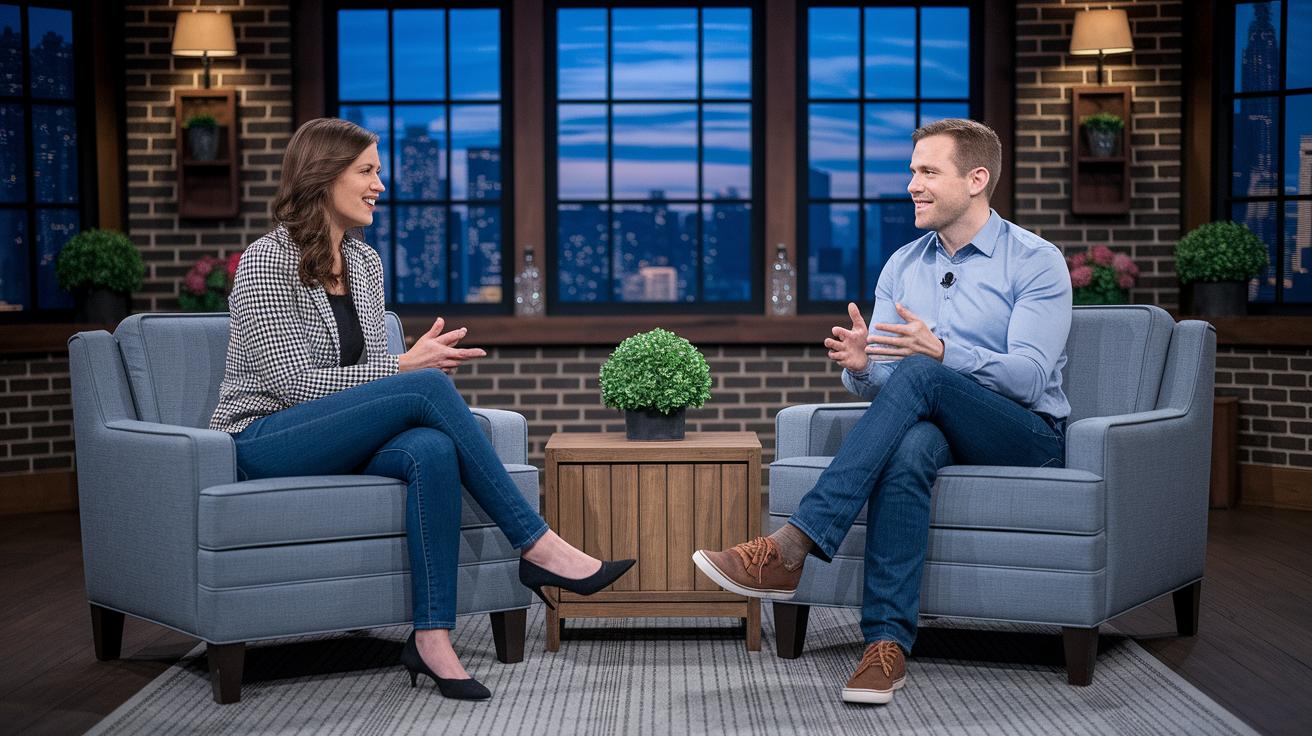
When you're on camera, your body language talks as much as your words. In the early days, some hosts used to get lost in their notes, which made the talk feel stiff. Instead, keeping eye contact tells your guest you’re really listening and that you value what they have to say. This simple action can help turn a formal interview into a relaxed chat where even big names feel at ease.
Your voice has a major role too. Using a warm and honest tone makes everyone feel welcome. And when you have a couple of backup questions ready, you can easily get the conversation moving again if things slow down. A calm voice with a steady pace ensures your message comes through nicely.
It all comes down to body language. Simple signals like an open posture, nodding, leaning in, a steady look, and relaxed gestures go a long way. These cues boost your on-camera charm and show that you can genuinely connect with any guest, turning every interview into a heartfelt conversation.
Segment Layout and Narrative Arc in Celebrity Interviews

When you break an interview into clear, themed sections, it turns a simple chat into a lively story. Think of it like a journey where you begin with an origin story, move to a big break moment, have a fun rapid-fire round, and finish with a look at upcoming projects. This method not only keeps the guest and audience engaged but also gives each part its own special vibe, similar to chapters in a book. Setting a time frame for each segment helps the conversation flow naturally from one topic to the next.
| Segment Name | Purpose | Typical Duration |
|---|---|---|
| Origin Story | Background and motivation | 5–7 min |
| Challenge Reveal | Honest struggles | 5–7 min |
| Rapid-Fire Round | Casual fun facts | 3–5 min |
| Future Vision | Upcoming projects | 5–7 min |
Smooth transitions between these parts are super important. Imagine pausing just a moment before you share a dramatic challenge or an unexpected fact about future plans. Even a small question like, "What happened next?" can light a spark of curiosity. This simple style keeps the conversation moving and helps viewers stay tuned in without missing a beat. Each segment gets its moment to shine, making the overall interview feel purposeful and fun.
Managing Sensitive Topics and Spontaneous Moments

When you're chatting about tough memories, start off gently. For example, you might ask, "Could you share a time when things were really hard?" This shows you truly care about their feelings and sets a kind tone right from the start.
If it seems like your guest might be holding back, don't worry. Have a few backup questions ready, like "What did you learn from that experience?" This simple follow-up can help them open up more or change the topic if they need to. It’s all about keeping the conversation comfortable and respectful.
A little practice before going live can work wonders. Try rehearsing some casual stories or pause-fillers to smooth over any awkward silences. These little cues not only keep things flowing naturally but also add a fun, spontaneous vibe to even the more delicate topics.
Technical Excellence and Post-Production Enhancement
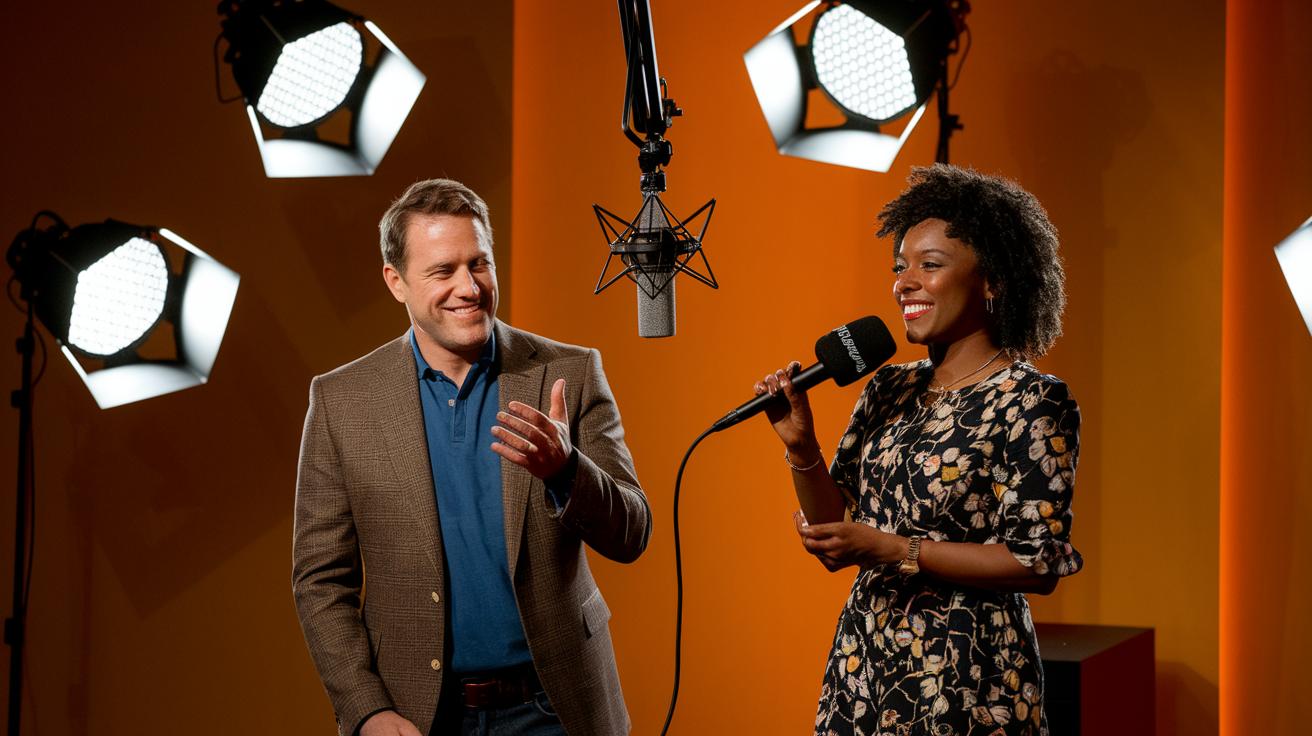
When you set up a celebrity interview, getting the lighting and sound just right is key. The right lighting brings out a guest’s features and creates a warm vibe, while clear audio makes sure every word is heard perfectly. It’s like setting the stage for a great show where nothing is left to chance.
On the day of filming, experts work hard to avoid harsh shadows and bright spots. They carefully design the light so it feels inviting and natural. They also make sure the mic is placed perfectly so nothing important is missed. This attention to detail helps the whole interview feel smooth and genuine right from the start.
After filming, the magic continues in the editing room. Editors trim away long pauses and any distractions to keep the conversation tight and interesting. They slide in extra footage, cutaways, and even some archive clips to bring more color to the story. This way, the final piece is not just a conversation but a lively mix of visuals and sound.
The following simple tips help create a standout production:
| Key Tip | Description |
|---|---|
| Mic Placement | Ensures clear audio capture for every spoken word. |
| Three-Point Lighting | Keeps the guest looking natural and avoids harsh shadows. |
| Shot Variety | Adds interesting visuals through cutaways. |
| Audio Sweetening in Post | Enhances the sound quality with clear, balanced audio. |
Each of these steps builds a smooth, high-quality experience that brings out the best for both the guest and the audience. It’s all about keeping things clear, simple, and engaging, just like sharing a great story with a friend.
Final Words
In the action, this post highlighted the steps behind a captivating celebrity conversation. We covered serious research, smart question setup, genuine on-camera rapport, thoughtful segment design, and balanced handling of sensitive topics.
We took you step-by-step through each piece that builds smooth, engaging discussions. Every detail plays a role in creating an interview that feels like a natural chat.
It all comes down to the anatomy of a great celebrity interview. Enjoy the thrill of every moment!
FAQ
What makes a good celebrity interviewer?
A good celebrity interviewer uses deep prep, a relaxed tone, and steady eye contact to build trust. Their questions feel natural and help guests share real stories.
What are some effective questions to ask celebrities during interviews?
Effective questions combine background, fun personal prompts, and thought-provoking topics. They steer clear of scripted lines and spark genuine, engaging dialogue with the guest.
What are Liberating Structures like Panarchy, Fishbowl, and Troika in interviews?
Structures like Panarchy, Fishbowl, and Troika offer creative formats that boost open, free-flowing conversation, letting guests share their stories without feeling boxed in.
What role do Appreciative Interviews play when chatting with celebrities?
Appreciative Interviews focus on guests’ achievements and positive insights, setting a warm mood that encourages a more relaxed and authentic conversation.
Who do most celebrity writers resent being interviewed?
Many celebrity writers dislike repetitive, shallow questions that cut into their time and miss the chance for a deeper, more meaningful conversation.
What is considered the highest rated interview of all time?
The highest rated interview is known for its natural flow, thorough research, and clear storytelling that keeps viewers hooked from start to finish.
