Have you ever thought about how technology might change the way we tell our stories? Imagine a world where you don’t just listen, but see pictures, hear sounds, and even help shape the narrative. It almost feels as if you are a part of the adventure, rather than just watching from the sidelines.
Today, every word and sound gets a little tech boost that makes each story feel personal and alive. Classic storytelling meets cool digital tools to create an experience that is totally interactive. It’s like your favorite live event where you feel the energy in every moment, making storytelling fun and real.
How Digital Technology Transforms Storytelling

Digital storytelling today mixes old-school techniques with cool tech like microphones, digital cameras, and computers that run editing software. This fresh style blends classic methods with images, videos, sounds, and interactive bits to make stories feel alive. Imagine reading a book where you not only see the words but also hear and see the story come to life around you. Fun fact: before digital editing, filmmakers had to cut film by hand, a slow and clunky way to put a movie together.
Now, viewers aren’t just sitting back, they jump in and help shape the story. Picture a classroom where kids use voice recordings and digital snaps to bring history to life. They become co-creators of the lesson, and that hands-on fun helps make the story stick.
The idea is pretty simple. Traditional storytelling meets modern tech to give you a personal, engaging ride. With interactive features, you can even decide how the story ends or explore new twists, much like choosing your own path in a digital maze.
In this digital world, storytelling turns into a back-and-forth chat between the storyteller and the audience. The result is a rich, immersive experience that makes each story a live, shared event and redefines the way we enjoy tales.
Evolution of Narrative Arts into the Digital Age
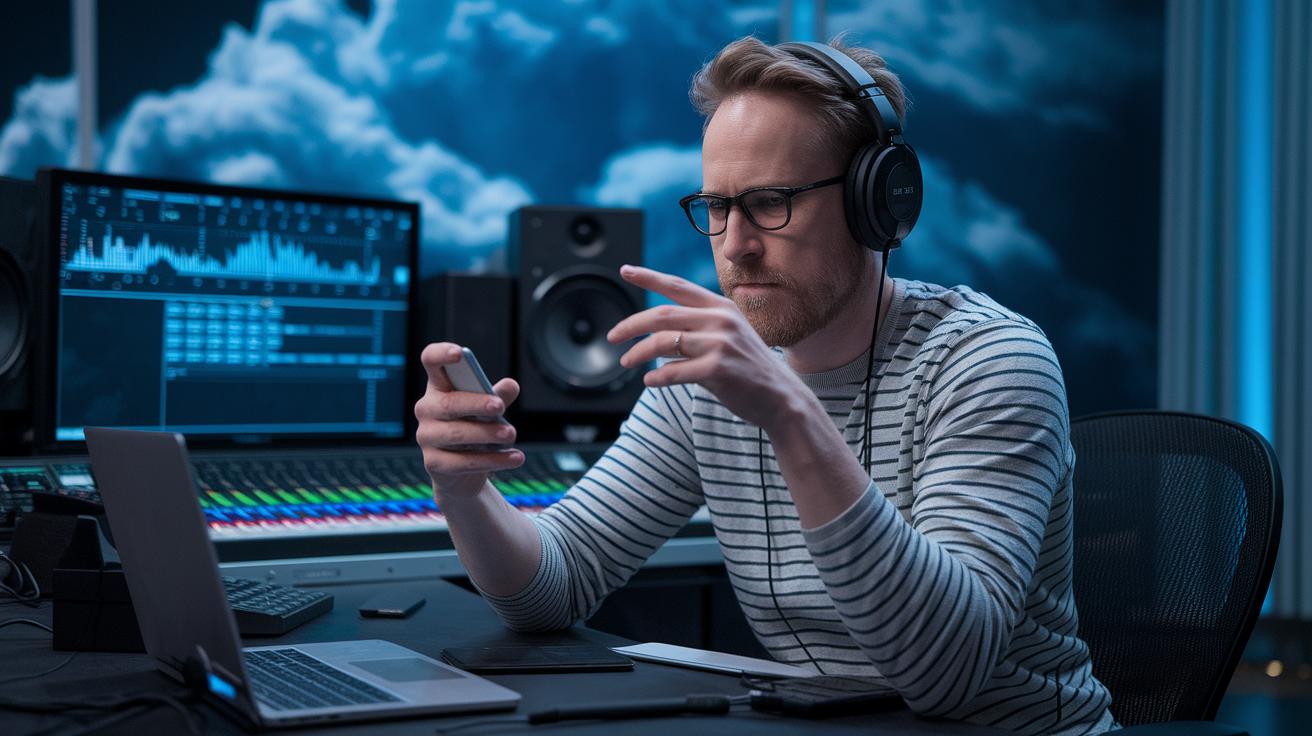
Cloud-powered tools let storytellers adjust their narratives right as things unfold. They can change plot twists based on what the live audience feels at that moment. Imagine watching a scene shift in real time because a cloud update tweaks key details. For example, during one live reveal, a sudden update changed the hero’s path, leaving everyone totally stunned.
Real-time tweaks now pull the audience in like never before. A digital platform might pick up on viewers’ reactions during a tense scene and instantly switch up the outcome. This new spin on storytelling amps up the excitement and feels both spontaneous and spot-on.
| Feature | Example |
|---|---|
| Real-time Cloud Updates | “As live data flowed in, the story shifted in a flash, letting viewers decide the next twist.” |
| Live Audience Impact | “A sudden change during a nail-biting scene grabbed everyone’s attention, sparking instant reactions.” |
Multimedia and Interactive Transformation in Digital Storytelling

Digital storytelling is now buzzing with energy by mixing sounds, videos, and pictures that grab your attention. It makes you think about what you see and hear, like piecing together a fun puzzle. Picture watching a favorite scene where every sound and image invites you to notice the little details.
Interactive features mean you are not just a viewer; you are part of the story. With interactive storytelling (check it out here: interactive storytelling), you get to decide key moments. Imagine a thriller where you choose if the hero takes a risky shortcut or a safer route. Each choice shapes the story in a way that feels uniquely yours. One click might show a hidden clue or change a dramatic setting.
Virtual reality takes things further by pulling you right into the action. You might find yourself in a busy market or standing on a windy cliff, feeling the cool breeze on your face. Augmented reality does something similar by placing parts of the story into your real world, so digital hints or characters appear around you as you go about your day.
Cloud-based editing and hosting tools back up these cool storytelling methods. They let creators change scenes in real time based on what you do, making the experience feel smooth and natural.
By blending smart interfaces with striking visuals and sounds, web-based stories come alive in a memorable way. This multimedia mix not only fires up the plot but also creates a space where every choice deepens your connection to the tale.
Digital Storytelling Case Studies: From Classrooms to Cloud Labs
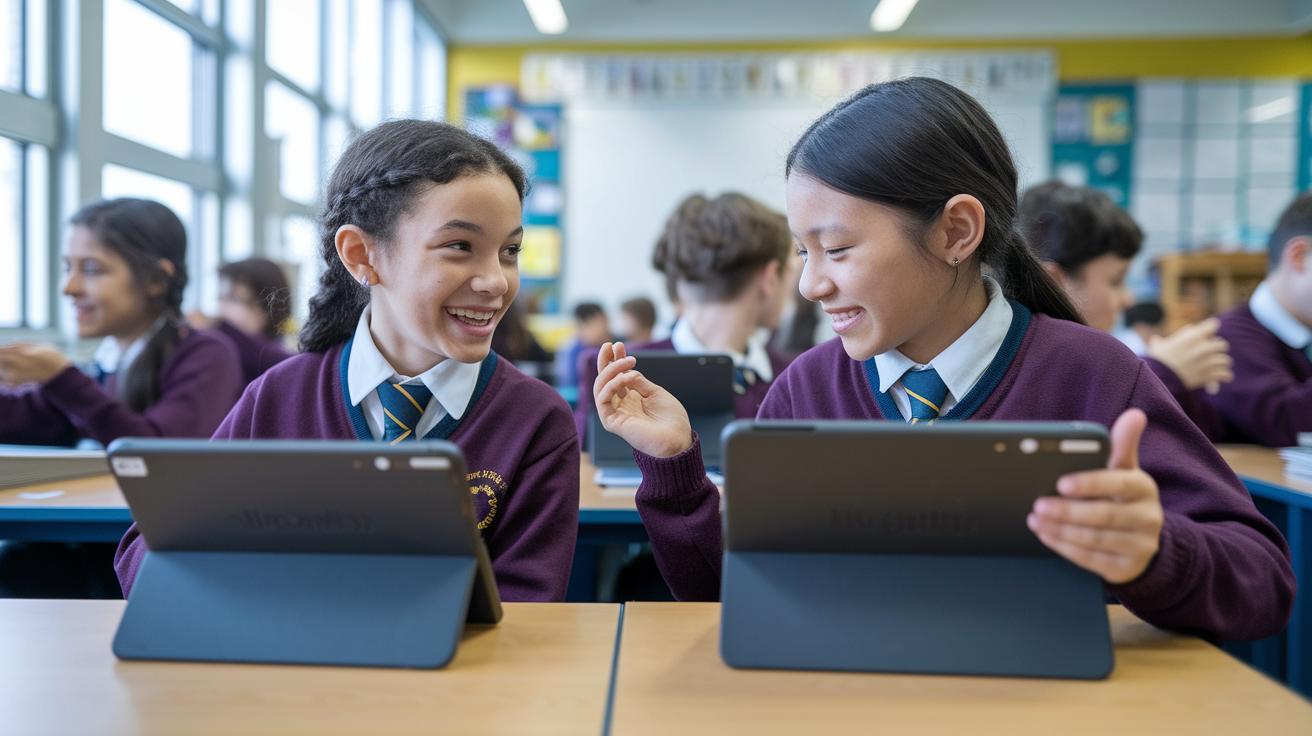
In many schools, teachers are jumping into digital storytelling projects like "Emotions Through Video," "Collaborative Research Project," "I Am Poem," and "Bring Your Book to Life." These fun, hands-on projects get students excited about learning while building their empathy and sharp thinking skills. One teacher told me how even the quietest students lit up when they shared their own stories. Suddenly, history stopped being just dates and facts, and it turned into something personal and real.
At college, some schools are taking this idea even further. For instance, NC State University now records lectures in over 200 classrooms. This lets professors mix live teaching with digital stories that draw students into the lesson as it happens. And at UNLV, every lesson is captured with great clarity so students can rewind and explore tough ideas at their own pace.
Then there's the cool example in Pittsburgh at the Amazon Web Services Cloud Innovation Center. There, experts use modern tools to build interactive narratives in health sciences. These stories bring complex scientific ideas and case studies, like those in sports analytics and health, into a more lively, relatable light.
All of these examples show that digital storytelling is more than just blending technology and narratives. It’s about turning everyday lessons into interactive adventures that invite everyone to join in, spark creativity, and completely reshape how we tell stories in and out of the classroom.
Future Trends in Digital Technology and Storytelling
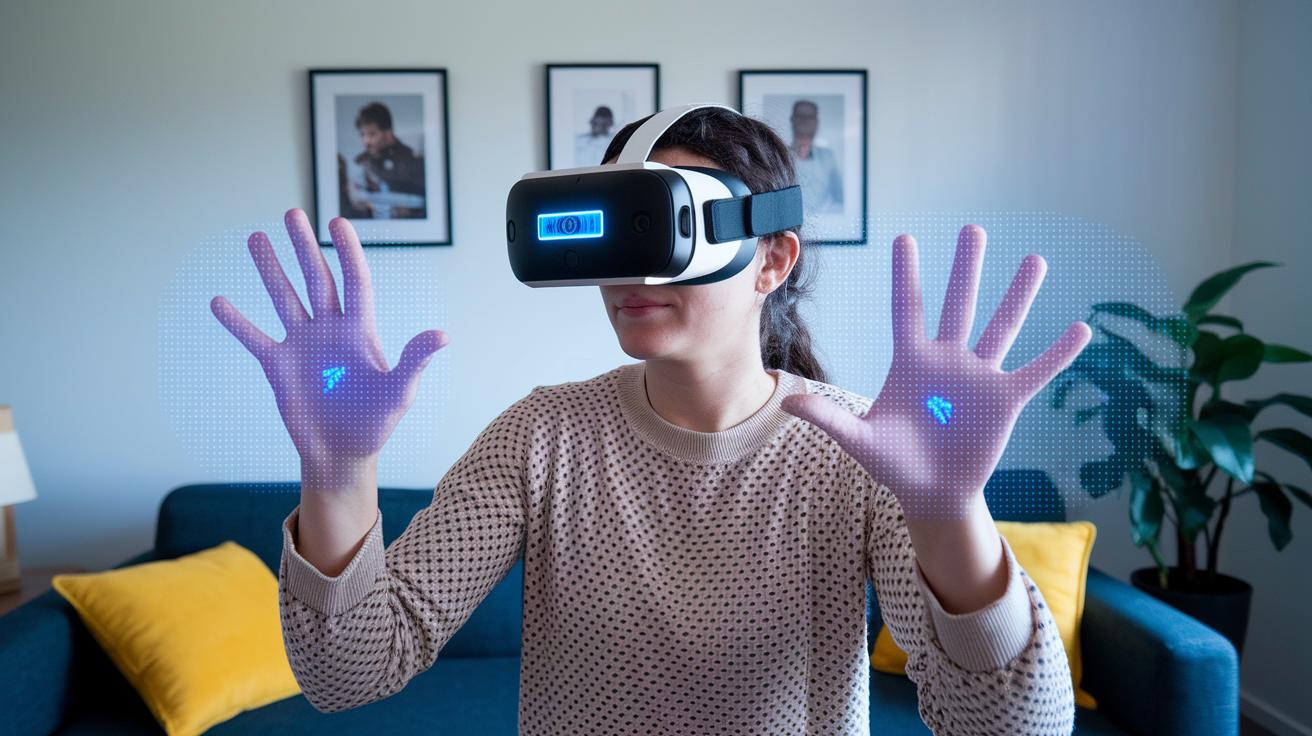
Digital tech is changing how we tell stories in exciting ways. Virtual reality (a computer-created world you can step into) and augmented reality (digital images over real life) let creative minds build immersive worlds that pull you in. And with AI shaping the path, your choices might even change the twist of the plot. Imagine solving a mystery where one click makes the story react just to you.
Tech challenges are becoming less of a hassle. As we get more skilled and the software keeps improving, mastering these creative tools feels more like a fun game. It’s like taking your favorite board game and adding fresh, high-tech moves that make every turn feel new and personal.
Looking ahead, stories will get even more interactive. Digital platforms may soon react to how you feel or what you do in real time. It could turn watching into a hands-on adventure, where every scene adapts to your mood. Have you ever wondered what it’s like to co-create a tale on the fly? That’s the heart of tomorrow’s storytelling.
Final Words
in the action, we saw digital storytelling change how we experience narratives. Interactive tech like cameras, VR, and smart editing tools let audiences shape the story as they watch. We learned how modern tech adds emotion and personal touch to every scene. Real-world examples, from classrooms to cloud labs, show clear shifts in our media experiences. The impact of digital technology on storytelling promises more immersive and exciting content ahead, opening up new ways for every fan to enjoy the art of storytelling.
FAQ
What is the impact of digital technology on storytelling?
Digital technology impacts storytelling by merging classic narrative methods with digital tools like cameras and editing software. This blend creates interactive experiences that let audiences shape and enjoy stories in new ways.
How is technology used in storytelling?
Technology is used in storytelling by combining video, audio, images, and interactive features. These elements work together to add fresh twists to narratives and encourage active audience participation.
What are the benefits of digital storytelling?
Digital storytelling benefits both viewers and creators by raising engagement and making stories more memorable. It mixes different media to simplify complex ideas and make learning and sharing fun.
How does digital storytelling affect the classroom?
In the classroom, digital storytelling makes learning more interactive. It lets students work on projects that use video and multimedia, helping them build empathy, critical thinking, and communication skills.
What are some examples of digital storytelling?
Digital storytelling examples include student video projects, interactive poems, and multimedia presentations. These projects blend images, audio, and text to bring traditional narratives to life in fresh ways.
What do digital storytelling research papers and PDFs explore?
Digital storytelling research papers and PDFs explore how digital tools change the art of storytelling. They review techniques, classroom impacts, and real-world examples that mix traditional methods with modern tech.
