Smartphone season is about to hit overdrive in India, with June and July packed full of headline launches across every price band. From sub-₹15,000 value champions to premium icons nudging ₹70,000, manufacturers are lining up their latest silicon, charging tricks and camera upgrades. Whether you’re holding off an upgrade or simply itching to see what’s next, our at-a-glance guide breaks down the 10 most anticipated phones confirmed (or all-but-confirmed) for release over the next few weeks. We look at expected specs, price estimates and the unique features each brand is banking on to win your wallet.
OnePlus 13s: Flagship Killer Reloaded

Expected to land on 5 June at roughly ₹50,000, the OnePlus 13s is tipped to bring back the company’s glory-days formula of top-tier internals at mid-tier prices. Rumours point to Qualcomm’s Snapdragon 8 Gen 4, an LTPO 120 Hz AMOLED panel and refreshed Hasselblad-tuned triple 50 MP cameras. A 5,500 mAh cell paired with 100 W SuperVOOC charging should deliver all-day power with single-digit top-ups. OxygenOS 15 promises a cleaner UI, AI-assisted photo editing and guaranteed updates for five years. If you crave bleeding-edge performance without spending a fortune, this could be the launch worth circling in red on your calendar.
POCO F7: Gaming Muscle on a Budget
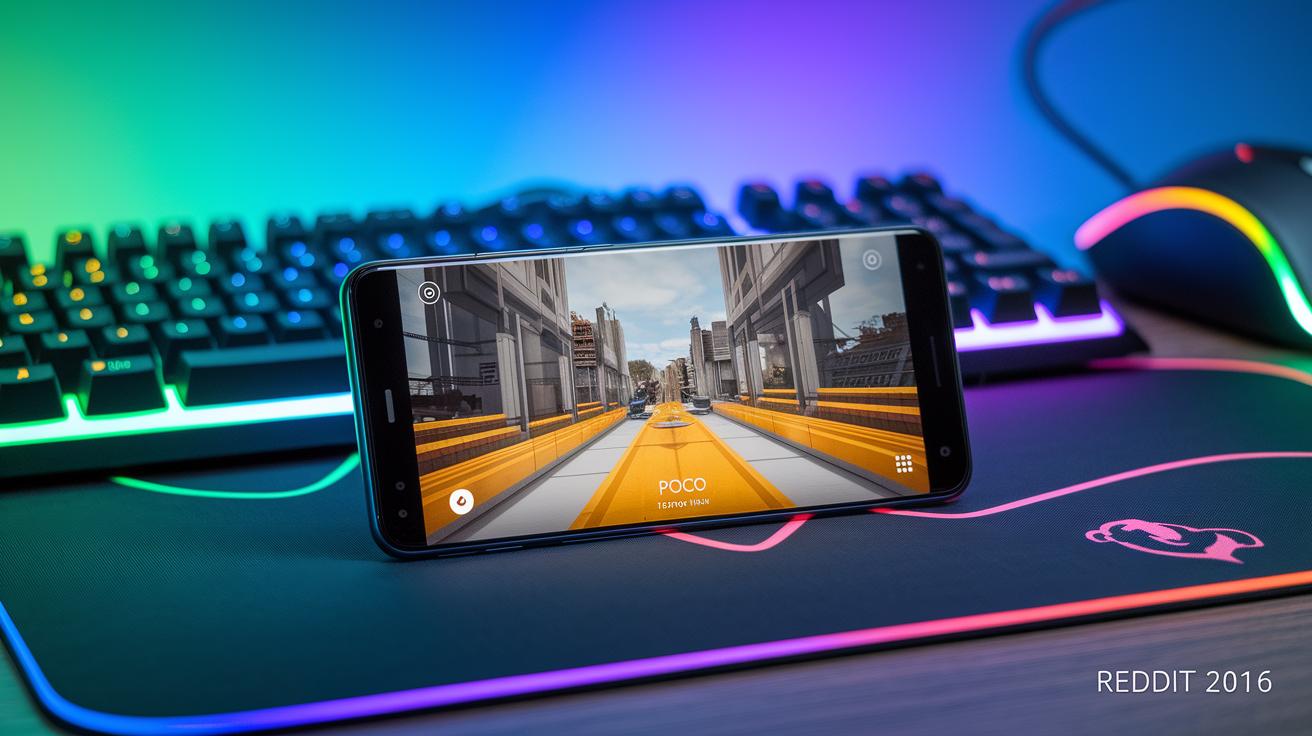
Landing in the last week of June for about ₹30,000, the POCO F7 is aiming squarely at mobile gamers. A Dimensity 9300-Plus or Snapdragon 8s Gen 3 chipset is rumoured, backed by a vapour-chamber cooling system, 12 GB RAM and 256 GB storage. The 6.67-inch AMOLED will reportedly hit 144 Hz and 1,800 nits peak, while twin stereo speakers complete the entertainment package. Photography isn’t forgotten: a 64 MP main sensor with OIS sits next to an 8 MP ultrawide. POCO’s 67 W charging should refill the 5,000 mAh battery in under 40 minutes, making this the value pick for PUBG and Genshin addicts.
Vivo T4 Ultra: Portraits for the Social Generation

Vivo’s T-series has always focused on cameras, and the T4 Ultra continues that trend. Slated for a June reveal around ₹35,000, it reportedly uses Samsung’s new GN5 50 MP sensor with custom V-Image Enhancement Engine for dreamy bokeh and low-light clarity. On the front, a centred 32 MP selfie cam supports autofocus and 4K recording, perfect for Reels. Power comes from a Snapdragon 7+ Gen 3, paired with a large 6,000 mAh battery and 80 W FlashCharge. An IP67 rating, 120 Hz AMOLED and Hi-Res certified audio round out a balanced spec sheet that targets content creators who live on Instagram and YouTube.
Xiaomi 15 CIVI: Slim, Stylish and Surprisingly Powerful
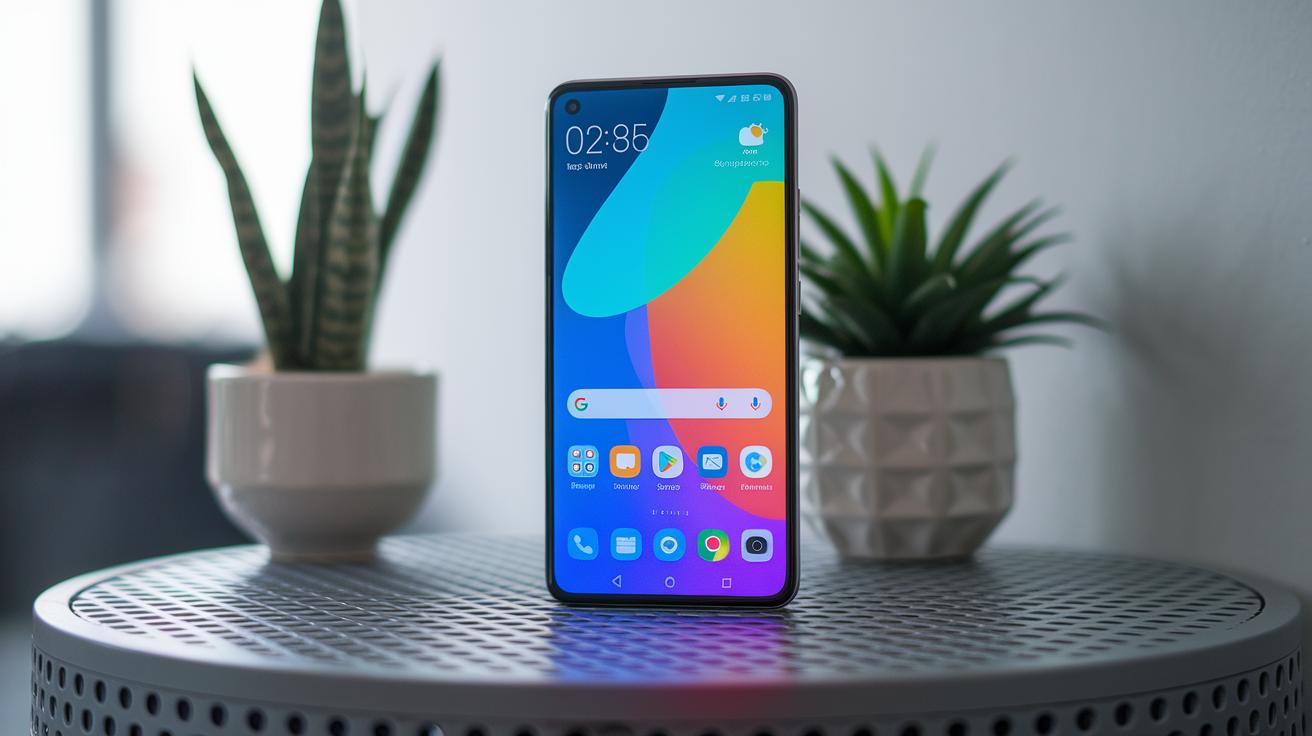
The CIVI line blends fashion and tech, and the Xiaomi 15 CIVI looks set to be its most polished iteration yet. A curved 6.55-inch 1.5 K AMOLED with 120 Hz refresh is wrapped in a 7 mm chassis weighing under 170 g. Despite the svelte frame, insiders say Xiaomi is packing a Snapdragon 8s Gen 3, a 4,900 mAh battery and 90 W wired charging. The headline feature, however, is a dual 32 MP front camera system enabling ultra-wide group selfies and AI-powered beauty filters. Priced near ₹40,000, the 15 CIVI targets fashion-forward buyers who refuse to compromise on performance or battery life.
Vivo X200 FE: Flagship Experience for Everyone

Vivo’s Fan Edition phones distil flagship DNA into a more accessible package, and the X200 FE, expected on 10 July at about ₹50,000, keeps that promise. Leaks suggest the same custom ISP found in the X200 Pro, enabling 8K video and gimbal-level stabilisation from the 50 MP primary camera. A Zeiss T* coating reduces glare, while the 120 Hz OLED stretches to 6.78 inches with ultra-thin bezels. The MediaTek Dimensity 9400 chip handles processing, assisted by 16 GB RAM with virtual expansion. A 5,200 mAh battery, 80 W wired and 30 W wireless charging plus IP68 sealing make this an everyday flagship for less.
OPPO Reno 14 Series: Portrait Pro Goes Wide

The upcoming Reno 14 trio, Reno 14, 14 Pro and 14 Pro+, is tipped to launch mid-July between ₹35,000 and ₹50,000. All models are said to share OPPO’s new “HyperTone” portrait engine, combining a 50 MP Sony IMX890 sensor with laser autofocus for DSLR-like background separation. The Pro+ reportedly adds a 3× periscope zoom, making it a pocket powerhouse for mobile photographers. AMOLED displays ranging from 6.7 to 6.82 inches boast 120 Hz refresh, while the battery gets a modest bump to 5,000 mAh with 80 W SuperVOOC. ColorOS 14 introduces AI captioning and call screening, further distinguishing the Reno line from vanilla mid-rangers.
Nothing Phone 3: Lights, Camera, Innovation

Carl Pei’s third act is scheduled for early July, and leaks indicate the Phone 3 will push the brand’s signature Glyph interface even further with more LED zones and custom app triggers. Hardware reportedly jumps to Snapdragon 8 Gen 3, a 120 Hz 6.7-inch OLED and a 5,100 mAh battery with 65 W charging, all wrapped in a transparent recycled-aluminium frame. The camera stack gets a 50 MP Sony LYT-808 main sensor and a new 12 MP ultrawide-macro. Nothing OS 3.0 introduces widgetised lock screens and ChatGPT-style voice commands. At an estimated ₹70,000, it’s the priciest in the lineup but also the most distinctive.
OnePlus Nord 5: Mid-Range Magic, Again

The Nord series keeps OnePlus in the mid-range conversation, and the Nord 5, set for July at roughly ₹30,000, looks to sharpen that value proposition. Rumoured specs include the Snapdragon 7+ Gen 3, a 6.74-inch 120 Hz AMOLED and a 5,000 mAh battery with 80 W charging. The biggest upgrade is optical image stabilisation on the 50 MP main shooter, previous Nords relied on EIS. OxygenOS 15 Lite offers Shelf widgets, faster app installs and a promise of three major Android upgrades. If you want a balanced phone with the signature OnePlus fluidity but can’t stretch to a 13s, this is it.
OPPO K13 Turbo: Speed Meets Endurance
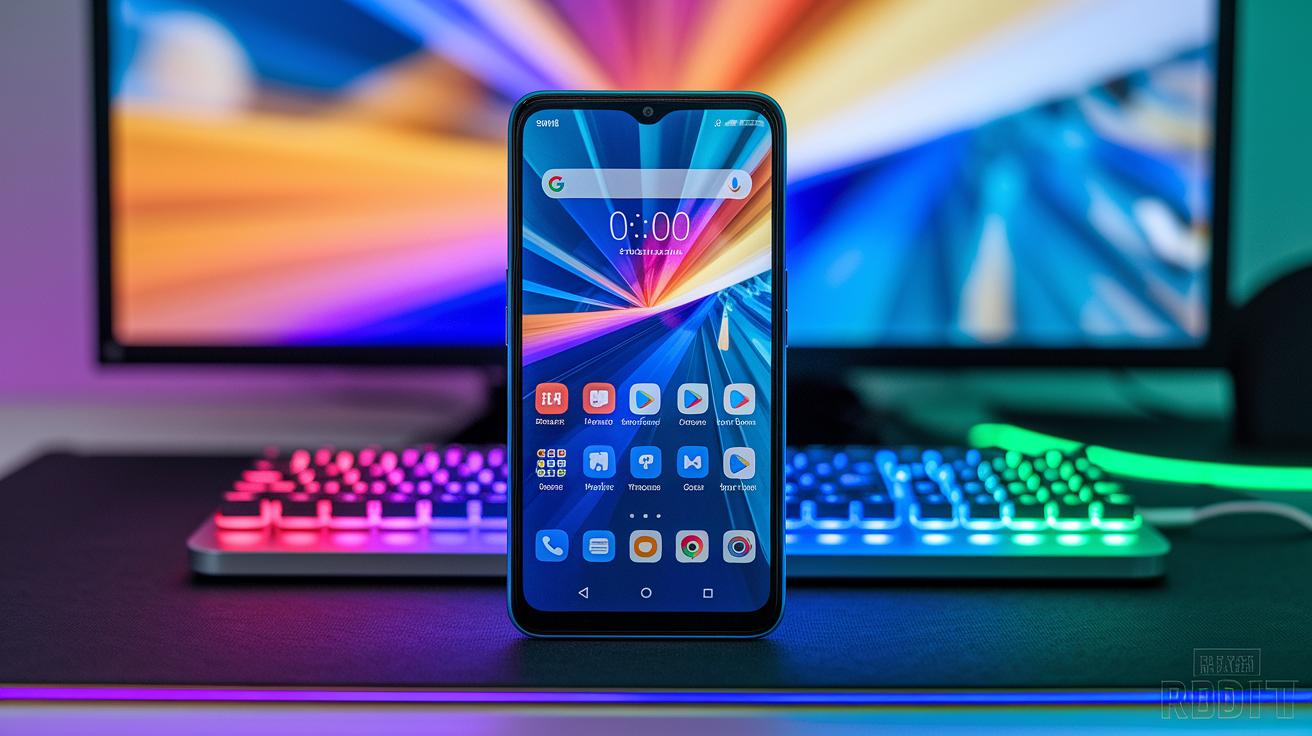
Arriving sometime in Q3 at ₹30,000–₹35,000, the OPPO K13 Turbo targets heavy users who need raw speed and long life. A Snapdragon 8s Gen 3 chip is paired with a beefy 6,000 mAh battery and 100 W charging, the fastest in its bracket. OPPO’s proprietary “Diamond Thermal” cooling claims to cut core temperatures by 4 °C, ensuring sustained performance in titles like Call of Duty Mobile. The 6.8-inch LCD opts for 144 Hz refresh over AMOLED punch, a trade-off gamers may welcome. Add a 108 MP primary camera, Hi-Res audio jack and IP64 dust protection, and the K13 Turbo shapes up as a durable workhorse.
LAVA Blaze: Made-in-India Marvel Under ₹15K

Domestic brand LAVA continues its revival with the new Blaze, tipped for a late-June debut below ₹15,000. Despite the entry-level price, the phone packs a 90 Hz HD+ IPS display, MediaTek Helio G99 chipset and clean Android 14 with zero bloatware. A 50 MP primary camera, 8 MP selfie snapper and 5,000 mAh battery with 18 W USB-C charging round out the package. What really sets the Blaze apart is after-sales support: LAVA promises free doorstep service in over 16,000 pin codes and a complimentary screen replacement within six months. Budget buyers looking to “Make in India” won’t need to look far.
