Have you ever noticed that some ads feel like a friendly chat while others just slip away? Brands are moving away from plain messages and creating experiences that pull you in with quick quizzes and clickable videos. In this post, we explore how bright pictures and hands-on features can grab your interest and boost how you interact with an ad. You might even see how a simple tap or click can turn a one-sided ad into a lively two-way conversation.
Core Interactive Media Strategies for Brands to Enhance Engagement
Interactive media turns plain brand messages into lively conversations with vibrant visuals and fun videos. Imagine a campaign where viewers answer multiple-choice questions and tap on handy call-to-action buttons right in a cool video. For instance, kick things off with a surprising fact like "Before brands embraced interactive media, static ads only held attention for seconds." This fun twist uses personal content triggers that pull people into making quick decisions.
Some strategies, such as 360° immersive experiences, change the game from one-way messages to two-way chats that invite exploration. Pictures and videos work together so audiences can click, choose, or even take quizzes live. Studies show that 80% of consumers prefer marketing that feels personal, and interactive pieces can even double the time users stay engaged compared to regular ads.
Rich media elements, like interactive infographics and animated visuals, can really bring a campaign to life. These digital tactics let brands tell stories that encourage participation instead of just sitting back and watching. A simple trick, such as placing a "learn more" button in the middle of a product demo video, can guide viewers to act right away.
Blending hands-on design with immersive visual storytelling gives audiences tailored experiences that feel personal. This dynamic approach not only grabs attention but also prompts quick actions with messages like "shop now" or "find out more." If you're curious about the basics of interactive marketing, check out this link: What is Interactive Media.
Leveraging AR, VR, and Gamification in Interactive Media Strategies for Brands

Brands are getting really creative these days by using AR to let you virtually try on products. Picture this: you scan a product and instantly get all the details you need. So if you're thinking about a new pair of sneakers, you can use AR right at home to see if they fit and suit your style. It turns buying into a fun, hands-on experience without having to step into a store.
VR takes things even further by dropping you into a digital world that feels like the real thing. Imagine walking into a virtual store that perfectly mirrors a brand's vibe. It feels like you're stepping into a whole new realm rather than just scrolling online. This kind of immersive setup makes you part of the brand's story, switching you from a bystander to someone who truly interacts with the experience.
Gamification adds an extra layer of fun, mixing live-streamed product demos with interactive touches. Think about watching a demo where a clickable "add to cart" button pops up right then, making it easy to take action. And during these streams, quick quizzes invite you to join in right away, turning a simple demo into an engaging, instant-feedback event.
| Interactive Feature | Description |
|---|---|
| Live streaming demos with clickable CTAs | Watch a live demo and click to buy on the spot |
| Interactive product quizzes | Answer fun quizzes as you watch, getting involved in real time |
| Virtual try-ons via AR | Use augmented reality to see how products look on you at home |
For a cool example of digital engagement, check out Virtual Film Premiere Experiences at this link: https://hautcollective.com?p=862.
Multi-Channel Audience Involvement: Integrating Interactive Media Strategies for Brands Across Platforms
Interactive campaigns now pop up on social media, mobile apps, and websites, turning plain messages into lively chats. Brands mix in fun tools like interactive infographics, chatbots that pop up for a quick talk, and polls that ask fun questions like "Which new design catches your eye?" It’s like scrolling through your feed and getting swept up in the excitement to pick your favorite style.
Mobile-first design is a big deal today. People expect smooth, simple interactions on their phones, whether they are watching an Instagram story or chatting on a website. Quick animations and easy menus make every tap feel natural. Picture a user who jumps from reading a blog to live chatting without missing a beat. It makes shopping and browsing feel free and spontaneous.
Next, these campaigns use a mix of tools across different platforms. For instance, you might see cool infographics on a website, live polls on Facebook, and short videos on Instagram all working together. This mix gives a steady beat to the message, making sure every platform shows the brand's unique personality.
When brands weave their messages across many channels, they reach more people and spark more conversations. The goal is clear: every digital touchpoint should feel fun, friendly, and ready to engage. This smooth flow keeps users involved and makes every interaction part of one big, ongoing chat.
Interactive Media Case Studies Showcasing Successful Brand Strategies
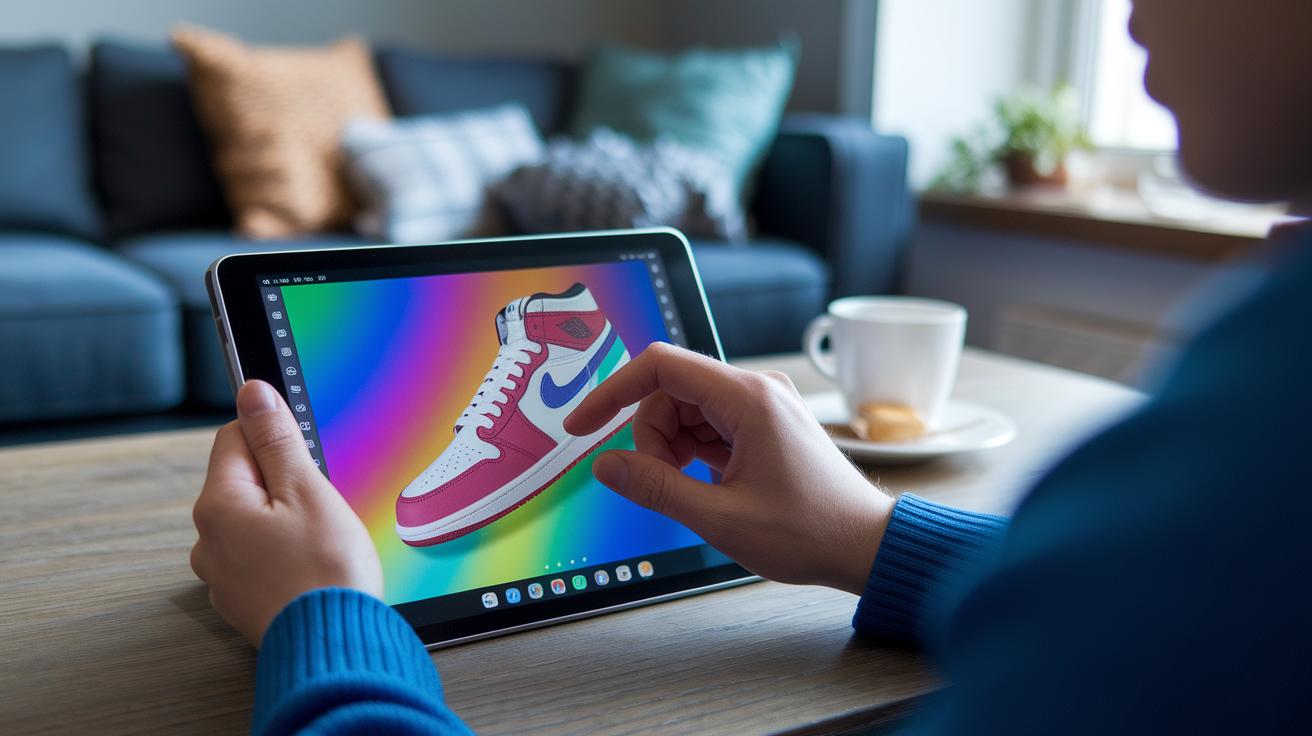
Nike’s Nike By You campaign lets customers get in on the fun by designing their own sneakers. Using a simple tool, people can create shoes that truly reflect their style, and this personal touch helped boost sales by 12%. Imagine designing your very own sneakers; it’s a cool way to be a part of the brand’s story while driving great results.
Sephora’s Virtual Artist app makes trying on makeup a playful, interactive experience. Using augmented reality (a technology that layers virtual images onto real-world settings), you can experiment with different looks as if you were in the store. It makes choosing new products feel easy and lively.
IKEA Place uses AR to help you see how new furniture fits in your room. Instead of just imagining a new sofa, you get a live preview in your own home. This clever idea turns shopping into an engaging experience that makes you feel more confident about your choices.
Coca-Cola’s Share a Coke campaign adds a personal twist with customized bottles that make you want to share them with friends. And Burger King’s Burn That Ad takes a playful approach by letting you interact with ads from other brands using AR. It’s a fun reminder that sometimes a little creativity can spark a big conversation.
These examples show how mixing interactive tools with smart strategies can lighten up a brand and start real conversations. They prove that using technology in a creative way not only boosts engagement but also inspires people to take action.
Measuring Impact: Engagement Analytics Insights for Interactive Media Strategies for Brands
Brands need to look at simple numbers to see how much people enjoy their interactive content. When you check metrics like time on page, studies show that interactive campaigns can double the time folks stick around. For instance, when a campaign uses live polls to keep the energy high, audiences often spend twice as long engaging. It’s a clear sign these tactics work.
Another key measure is the conversion rate. One well-known campaign saw a 12% boost in sales because interactive tools made it easy for users to click on call-to-action buttons. In effect, these smart moves turn casual viewers into eager buyers.
Then there’s the value of real-time feedback. By using live polls and simple sentiment checks (quick ways to gauge audience feelings), brands can instantly see what clicks and what doesn’t. This immediate insight helps adjust the strategy on the fly, ensuring the message stays fresh and fans remain excited.
A quick tip: try spotlighting key features with a live demo, where one click takes your audience straight to checkout. Small tweaks like this can make a big difference in how well your digital content performs.
Future-Proofing Brands with Emerging Interactive Media Strategies
New interactive media trends are nudging brands to use smart, AI-powered analytics. They help businesses change content right away, making messages feel personal and fresh. Picture a campaign that switches its story mid-way based on how you respond, like when you answer a quick poll and the tale shifts instantly.
Companies are getting past tricky tech challenges by keeping things user-friendly even with fancy new formats. They work hard to follow rules like GDPR and CCPA, so your data stays safe while you enjoy cool, interactive experiences. And when brands tweak their marketing in real time, it turns ads into a two-way chat with you.
By embracing these smart ideas, brands stay ahead of the curve. They’re perfecting how they tell stories and create fun moments that change along with customer needs. This fresh, adaptive storytelling lights up genuine connections that stick with you for the long haul.
Final Words
In the action, we explored ways to bring entertainment to life with interactive techniques. The post paints a clear picture by showing examples, from rich visuals and AR/VR experiences to behind-the-scenes insights that spark conversation. We also highlighted how case studies and real-time feedback turn standard ads into engaging interactions. These interactive media strategies for brands serve as a guide to create more memorable, hands-on experiences that connect people and content in new, fun ways.
FAQ
Interactive media strategies for brands examples
The interactive media strategies for brands examples feature touchpoints like AR try-ons, dynamic video CTAs, and interactive infographics that boost engagement by transforming traditional ads into two-way conversations with consumers.
Best interactive media strategies for brands
The best interactive media strategies for brands blend immersive visuals, personalized content triggers, and cross-platform engagement to capture attention, extend dwell time, and drive customer actions.
Free interactive media strategies for brands
The free interactive media strategies for brands often rely on low-cost digital tools like interactive infographics, social media polls, and chatbots, which foster user engagement without a heavy budget.
Interactive marketing examples
The interactive marketing examples include AR product try-ons, VR brand experiences, live-streamed demos with add-to-cart options, and interactive quizzes that transform static ads into engaging, two-way interactions.
How does interactive marketing create customer value
The interactive marketing creates customer value by providing personalized, engaging experiences that invite user participation, leading to improved satisfaction, stronger brand connections, and higher conversion rates.
Interactive marketing campaigns
The interactive marketing campaigns use tools such as AR, VR, and gamification to turn traditional content into immersive experiences, driving real-time feedback and increased engagement across multiple digital channels.
Companies that use interactive marketing
The companies that use interactive marketing include big names like Nike, Sephora, IKEA, Coca-Cola, and Burger King, which implement immersive approaches and personalized campaigns to boost engagement and sales.
Interactive marketing often makes use of
The interactive marketing often makes use of engaging visuals, personalized CTAs, and immersive technologies like AR and VR to transform one-way advertisements into active, user-driven dialogue.
What is interactive media in marketing?
The interactive media in marketing means using digital content that encourages active user participation through interactive elements and immersive experiences. See further reading on foundational concepts at What is Interactive Media.
What are the 4 digital strategies?
The 4 digital strategies typically include search engine optimization, social media marketing, content marketing, and pay-per-click advertising, each playing a role in reaching and engaging audiences online.
What are the top 7 types of digital marketing strategies?
The top 7 types of digital marketing strategies involve content marketing, social media outreach, search engine optimization, email marketing, pay-per-click ads, influencer collaborations, and mobile marketing for a broad digital impact.
What are the 4 marketing strategies?
The 4 marketing strategies generally refer to product, price, place, and promotion, forming a basic framework that helps brands plan their messaging and connect effectively with their target audience.
