Ever thought one click might change your screen's story? With interactive digital experiences, every tap sparks a burst of creativity. Imagine clicking on an image, and suddenly, it lights up with color and sound. In this post, we show you how smart, playful designs turn a simple web page into a memorable experience. We also introduce creative tools that make digital art come alive. Ready to see the magic unfold?
interactive digital experiences spark creative engagement
Interactive digital experiences are fun online journeys that invite you to scroll, click, and discover surprises in images and sounds. Imagine clicking on a piece of digital art and watching it burst into an animated scene, like stepping into a hidden story. This kind of playful engagement is what makes digital content come alive.
These experiences mix digital fun with storytelling that tickles your senses. Projects such as "La nutria frena su expansión en Catalunya" and "Hope lies in dreams" show how blending colorful visuals with catchy sounds can transform a simple story into an adventure. When you interact with cool effects on the screen, it boosts a brand's vibe and holds your attention much better than a plain webpage. By using neat tools like AR (augmented reality, which adds computer effects to the real world) and VR (virtual reality, a completely digital world) alongside creative web design, every click feels uniquely special.
Companies love these interactive setups because they invite you to join in and share your thoughts in real-time. Case studies like Manchester City’s "City V Spurs" and "A Marketer’s Guide to Twitch" prove that when users can explore freely, they stick around longer and even help shape the experience. It feels a bit like setting up your favorite playlist, easy, fun, and totally personalized.
Every scroll might unlock a new layer of story or surprise feature, making digital interactions as exciting as a live jam session. Each click adds its own beat to the creative energy, turning screen time into a lively, ongoing conversation.
Interactive Art Installations Shaping Interactive Digital Experiences
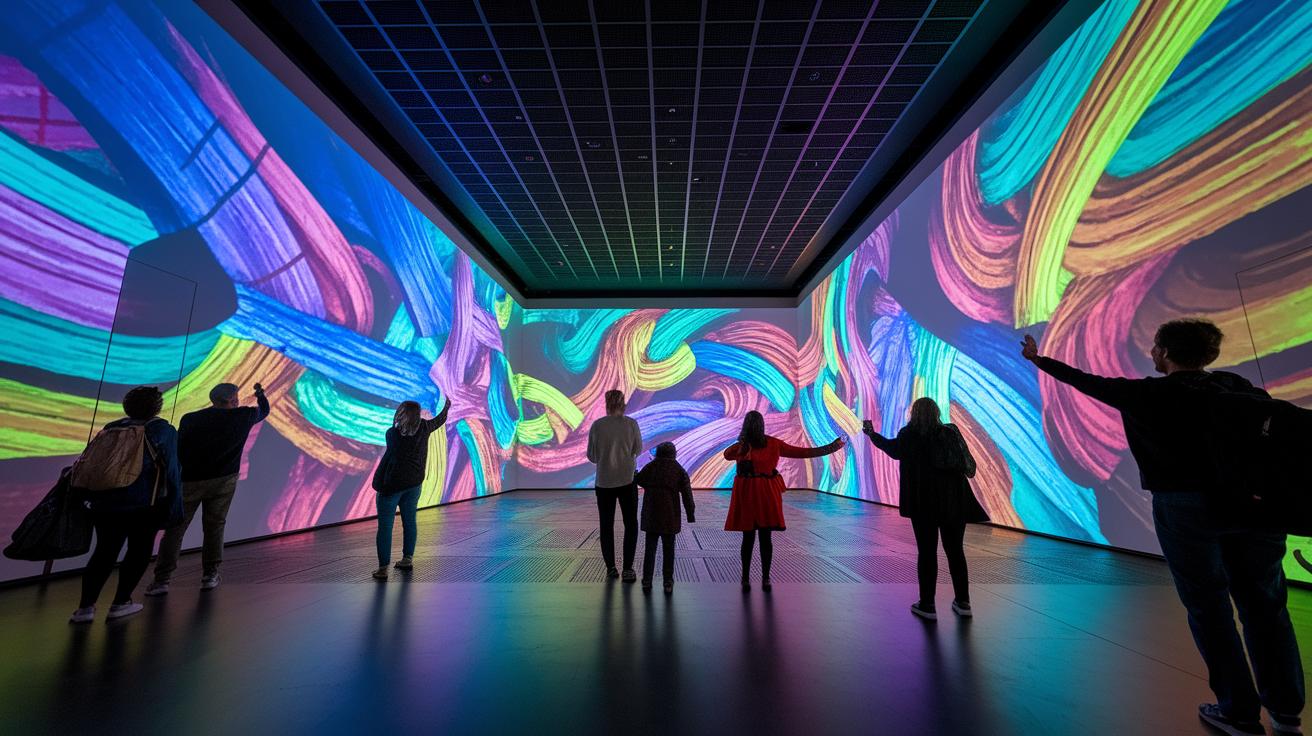
Interactive art installations are totally changing how we experience digital art. They mix cool storytelling with smart technology to create fun, hands-on adventures. Museums and public displays now use tools like projection mapping, simple gesture controls, and AR headsets (which let you see digital info in the real world) to pull you right in. One cool project, Artopia: the Immersive Art Experience Phoenix, shows off a whole new way for people to interact with art. With these sensory tech tricks and eye-catching designs, visitors stick around 35% longer, making once-passive watching into full-on participation.
| Installation Name | Technology Used | Key Engagement Metric |
|---|---|---|
| Artopia: the Immersive Art Experience Phoenix | Projection Mapping with Gesture Controls | +35% visitor time |
| Digital Reflections Exhibit | AR Headset Integration | 30% boost in engagement |
| Sensor-Driven Spectacle | Sensor Networks & Interactive Displays | Visits 40% longer |
These examples show that adding touchable tech to art changes how people connect with displays. The blend of hands-on tech, interactive exhibits, and cool multimedia creates experiences that stick with you. As more creators play around with digital fun, these installations set a new high bar for public art. They prove that simple displays can be turned into lively masterpieces, pulling every visitor in and letting them become part of the art. Isn't it amazing how art can become something you live, not just look at?
Emerging Technologies in Interactive Digital Experiences
Companies are now turning to open platforms that mix several tools together. These include systems for keeping track of customer data (CDM), organizing online content (CMS), storing digital files (DAM), and adjusting experiences to fit each user (personalization engines). This mix of tools helps brands create a digital adventure that feels just right with each click or scroll. By linking these systems, businesses can change their content on the spot based on real-time feedback from visitors, which makes the experience livelier and more engaging.
One of the cool breakthroughs here is AI-powered content management. This smart technology watches what you do online and tweaks the experience as you interact. It pulls from your actions to update things immediately so that content always feels new. And thanks to cloud hosting built for Drupal, websites stay smooth and fast even when a lot of people visit during special events.
There is also a growing trend of using augmented reality (AR) and virtual reality (VR) in business. More companies are using AR and VR to offer experiences that almost feel real. With these tools, the line between real life and digital screens fades away, giving creators a neat new way to tell their stories. This trend makes it easier for companies to blend fun media elements with clear and simple design.
Tech leaders in this field are changing the old ways of showing digital content by mixing interactive stories with strong digital backbones. New media trends let brands try and adjust their ideas on the fly, keeping up with changing viewer likes. The steady praise for platforms, such as Acquia being a key player in the Gartner Magic Quadrant, shows that these new technologies are changing how digital experiences connect with us.
UX Design & Engagement Strategies for Interactive Digital Experiences

Interactive digital experiences need clever designs that really meet what users want. We keep an eye on data and test things in real time to boost conversion rates by about 25%. By featuring personalized content and simple layouts, designers create a strong bond with users. Brands gather useful clues from their e-commerce data and improve accessibility so every click or hover feels smooth and fun.
Test and polish small actions on your site all the time to keep things animated.
Mix in game-like features that make everyday tasks more exciting.
Use live data to adjust the content and make it feel personal.
Create a smooth cross-device experience so that users can switch between gadgets with ease.
Gather e-commerce information in one spot to build a friendlier shopping journey.
Check out advice from Interactive Media Design for hands-on tips.
These ideas bring user experiences to life by making them feel personal and quick to respond. When designers tweak everything from little buttons to the flow of the whole site, each click turns into a fun and meaningful moment. Keep experimenting, learning, and changing to turn everyday digital moments into something really special.
Tools & Platforms for Developing Interactive Digital Experiences
AI-powered content systems kick off lively, real-time digital adventures. They use smart tools that change what you see on the fly, so every visit feels just right. It’s like having a show that tweaks itself to your tastes as you watch, fun and unique every time.
Cloud hosting that’s built for speed handles busy times with ease. It keeps everything running smooth even when a ton of people log on at once. Whether it’s a big launch or a live event, this tech makes sure the action never skips a beat.
Digital asset systems keep your creative goodies safe and ready to go. They store pictures, videos, and more, delivering them quickly like a quick stage change during a live show. Every image flows with the energy of today’s trends.
Customer data tools mix personal details and real-time feedback to make digital experiences smarter. They fine-tune what you see as it happens, much like a host adjusting the vibe based on what the audience feels. It creates a warm and timely moment every single time.
Multichannel marketing tools tie everything together by sending the right message across different platforms. They even offer webinars and developer guides to keep you in the loop and ready to share in the fun. Every interactive session feels smooth, coordinated, and totally on point.
Step-by-Step Guide to Crafting Interactive Digital Experiences

Begin by drawing out your user’s path. Sketch simple maps highlighting spots where your visitors get to interact with the digital content. Mark those key moments that invite them to dive in deeper. Think of it as planning a fun workshop where every step builds toward a great experience. For example, you might kick things off with a cool fact like, "Before she was famous, Marie Curie even carried radioactive test tubes in her pockets, unaware of the surprises ahead."
Next, pick the tools that match your vision. Check out AR tools (augmented reality tools), VR setups, and cool JavaScript libraries that let users join the fun. It’s like choosing the best ingredients for a favorite recipe. These choices build the base for a digital experience that feels fresh on every device.
Now, build a prototype to bring your ideas to life. Create a simple model that shows how users might move through your content. It’s just like sketching a rough draft before you polish the final masterpiece.
Then, set up user testing sessions to hear real feedback. Watch your audience interact with the prototype and note the moments that catch their attention. Their reactions give you the hints you need to fine-tune the experience and make it even more engaging.
After that, launch your project in a secure cloud. This step gives your digital experience the stability it needs and helps it grow when lots of people join in. Everyone gets a smooth, steady ride.
Next, keep an eye on how well your project is doing. Check load times, how fast it responds, and the overall health of the system. Regular reviews let you make quick tweaks to keep the experience lively and fun.
Finally, focus on clear developer documents and regular training sessions. These resources help the team keep improving and ensure that your digital experience stays sharp, engaging, and ready to evolve with what your users need.
Final Words
in the action, we explored how interactive digital experiences bring art installations, new tech, smart design, helpful tools, and step-by-step guides together into one lively show. We saw practical examples and helpful insights that keep creative minds on their toes.
This deep look into everything from dynamic user interfaces to behind-the-scenes tech shows how these experiences boost engagement and trust. It’s clear that interactive digital experiences can light up our screens and hearts, leaving us excited for what’s next.
