Ever wonder if your favorite shows could let you join in on the fun? In the past, you would just watch and relax, but now you can jump into the mix and share your thoughts.
Fans are leaving behind the old way of just sitting back. They now help steer the action and make the conversation lively. This change makes watching TV feel like being part of the event, where every opinion counts and everyone has a say.
How Interactive Media Has Reshaped Entertainment
Interactive media has totally changed the game. It turned old one-way broadcasts into fun, live experiences where you become part of the story. Instead of just watching TV or listening to radio shows, people now join in on the chatter, share their reactions instantly, and even help decide what happens next. Remember the thrill of tweeting during a live show, like saying, "Did you see that twist?" It's like everyone’s in on the secret.
Streaming services, video games, virtual reality, and even interactive storytelling have all played a big role in this shift. These new tools let you pick camera angles during a live event or steer a story down a different path, making entertainment feel a lot more personal and engaging. Plus, online communities and real-time digital chats keep the conversation buzzing and the experience fresh.
| Year | Technology | Impact |
|---|---|---|
| 1950s | TV Remote Control | Gave viewers the power to control broadcasts instead of sticking to a set schedule |
| 1980s | Home Video Games | Brought interactive gameplay into our living rooms, making entertainment personal |
| 2000 | Internet Forums | Allowed people to share info and get community feedback on demand |
| 2012 | Live AR Hologram Events | Mixed digital visuals with live shows, creating exciting, immersive moments |
Historical Development of Interactive Tech in Entertainment
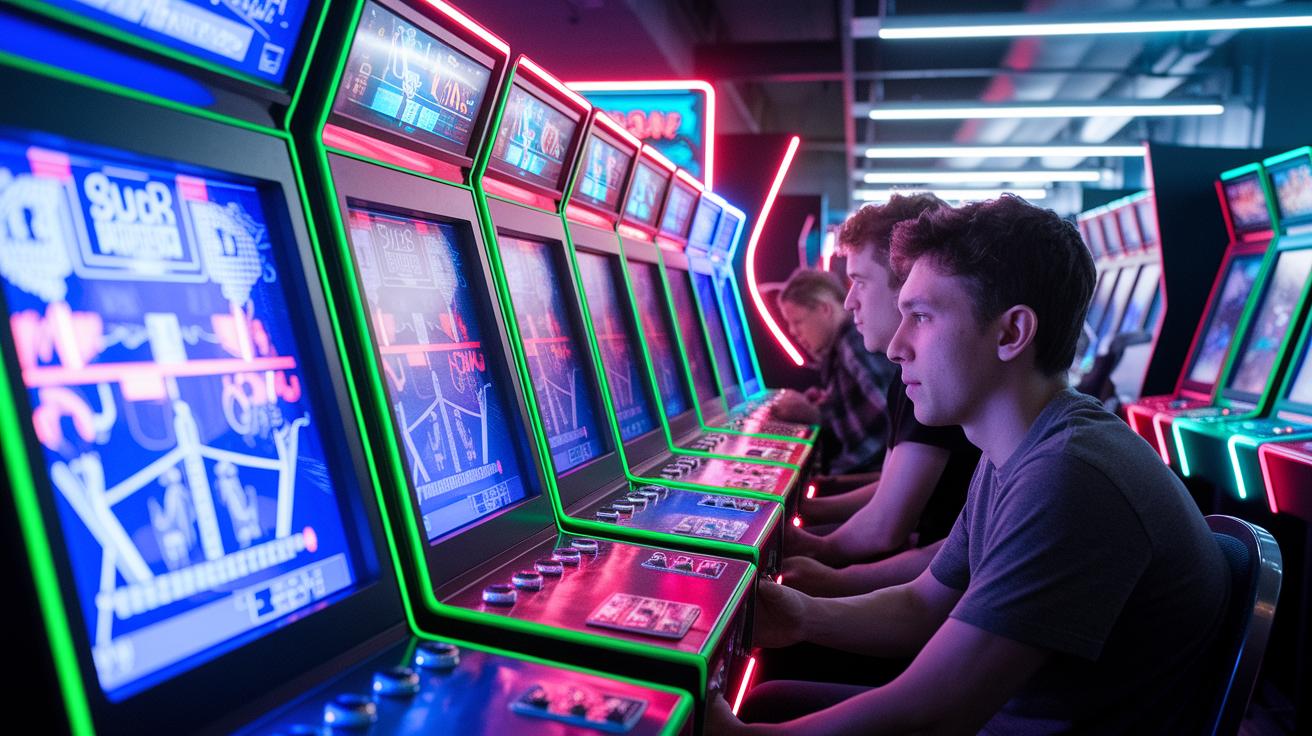
A long time ago, people tuned in to radio and TV at fixed times. They simply watched or listened without any way to replay or chat live.
Then, in the 1970s and 1980s, things started to shift. Arcade games and early home computers gave users a chance to steer their own experience. Gamers pressed buttons to move characters and beat their own high scores. In the 1980s, many arcade players kept coming back, determined to top their best scores and build a personal bond with the technology.
This change in how we interact set the stage for the dynamic and connected entertainment we enjoy today.
Digital Revolution in Entertainment Through the Internet
The digital revolution changed how we get content. Fans can now watch and read at their own pace. Blogs, forums, and social networks let people share their thoughts and even make their own reviews about shows they love. Imagine this: long before today's social media explosion, fans were posting stories on blogs and forums, turning regular watchers into instant critics. This early wave of sharing brought everyone into the conversation, sparking communities filled with shared experiences and creative ideas.
Looking back, you can see how interactive media grew as the world got more digital. Instead of long explanations, today's digital experiences mix live texts, videos, and sounds in new ways. This shift led to cool trends like improved live streaming and fresh methods to share quick reactions. In short, modern digital shows now blend smart technology with a warm, personal touch.
Gaming Evolution and Interactive Storytelling in Digital Entertainment
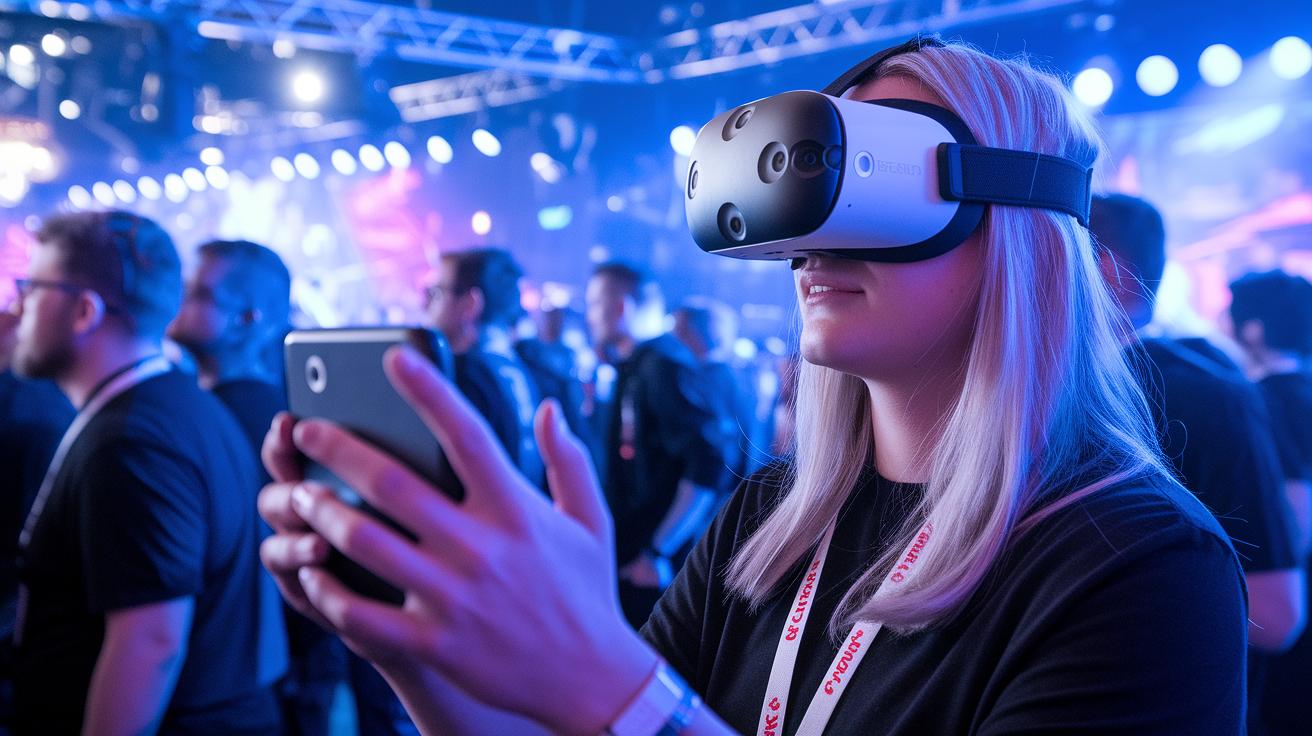
Digital gaming has grown so much from those simple pixel screens to vast online worlds that feel almost alive. As tech kept getting better, multiplayer platforms rose up, letting millions of players connect, plan their moves, and compete all at once. And honestly, these online communities have turned what used to be a solo journey into a celebration where every win or loss feels shared and real.
Storytelling in games has seen a cool twist as well. Now, with branching plots, you can pick what path to take, and adaptive narratives change the story based on your choices. It’s like the game senses your style and molds the adventure just for you. Developers design these games not just to entertain but to let you leave your own mark on every playthrough.
And let’s not forget the social side of gaming. With in-game chat, live streaming, and mods, gamers can swap tips, cheer each other on, and create new content together. It’s all about that fun, lively exchange that makes every game session feel like a gathering of friends.
Immersive Content Innovation: AR, VR, and Live Interactive Experiences
AR and VR have totally changed how we enjoy entertainment by mixing cool digital art with live shows and even theme parks. Fans step into experiences that feel as real as walking into a living video game. It’s like watching your favorite movie come alive, with scenes that practically jump out at you.
Behind these amazing experiences is a mix of technical know-how and genuine teamwork. Artists, lighting designers, and technicians join forces to combine cutting-edge digital effects with the raw energy of live performances. They plan every detail, from design ideas to the final setup, using modern tricks like projection mapping alongside classic methods such as Pepper’s Ghost. This mix of creative effort has sparked breakthrough moments like immersive premieres and live holographic shows that grab attention and make the crowd react instantly. It’s all about careful planning, tech setup, and syncing everything live so that digital visuals and audience interaction blend into a unique, unforgettable event.
Case Study: Coachella’s Tupac Hologram
At the 2012 Coachella event, a computer-generated Tupac Shakur was brought to life using AR projection mapping and Pepper’s Ghost techniques. A 20-member team worked through each phase to design, set up, and run the live hologram. Real-time audience reactions, cheers and excited responses, proved that using immersive tech can transform a performance into an interactive show that thrills fans like nothing else.
Convergence of Platforms and Future Trends in Interactive Media
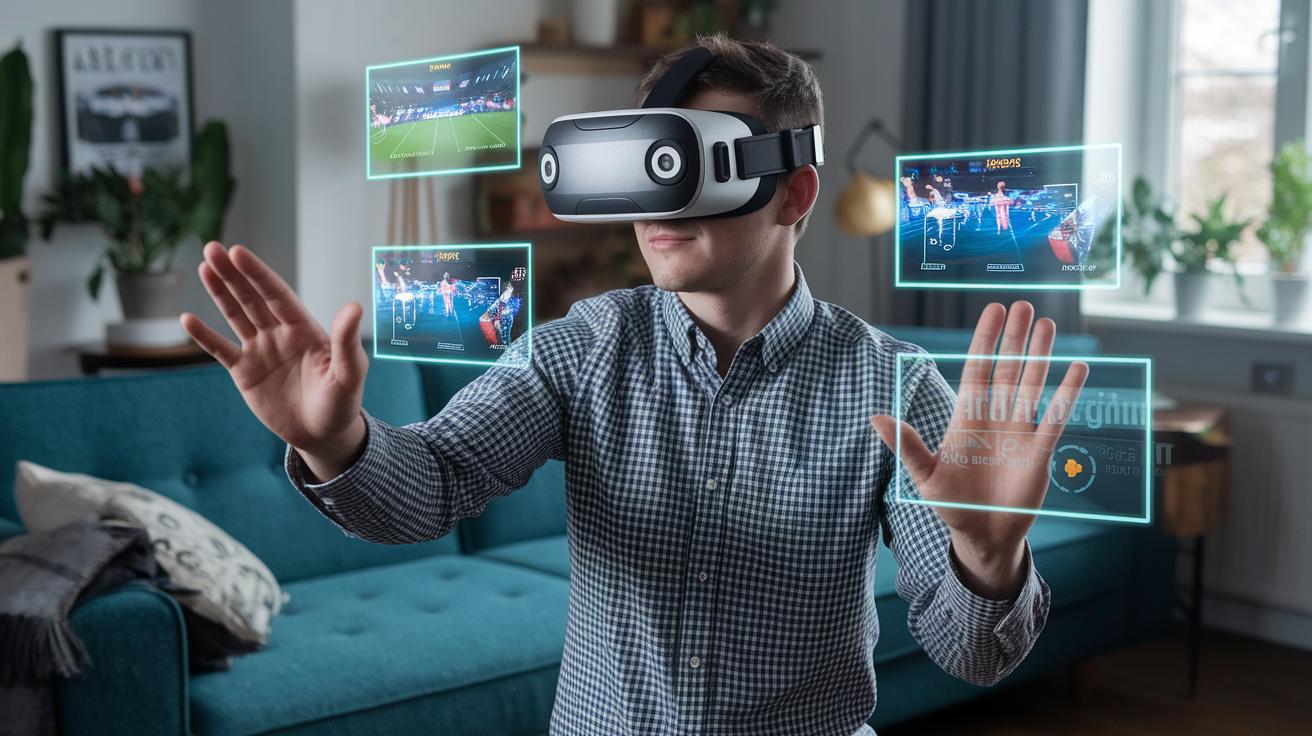
New tech is totally shaking up how we enjoy entertainment. Imagine every show or game feeling like it was made just for you. With smart AI checking out what you like, your media experience is as personalized as a custom playlist. And think about mixing digital art with the world around you, using AR and VR to turn sports games, concerts, and live events into something you can actually touch and feel.
It’s like watching a game where extra details pop up on your screen or enjoying a concert that changes its vibe as you move around. These cool innovations are setting the stage for a future where each device you own becomes a doorway to fresh, interactive stories. Whether you're on your phone, a tablet, or rocking a VR headset, the fun stays connected and smooth.
Sure, there might be a few bumps along the way, like dealing with too much info or worrying about privacy. But who can resist the lure of content that’s made just for you?
- AI-powered storytelling that learns what you love
- Augmented reality pop-ups during live sports and concerts
- VR worlds you can step into, complete with touch and feel
- Live interactive streaming that plays well on every gadget
- Smooth, connected stories that follow you from screen to screen
Final Words
In the action, this article took a close look at interactive media shifting from one-way broadcasts to engaging, hands-on experiences. We covered the rise of streaming, gaming, and live digital shows that turned fans into active players. The conversation moved through crucial historical milestones, the digital push that changed how we interact, and even the exciting world of AR and VR. Every part shows the evolution of interactive media in entertainment in a clear, lively way, leaving us with plenty of optimism for what comes next.
