Ever wondered why a tap on your screen can bring a whole new world to life? Interactive media turns simple clicks and swipes into animated moments that draw you right into the story. Instead of just watching, you help decide what happens next.
In this post, we break down interactive media using easy ideas and real examples that you can feel connected to. It shows how everyday digital content can turn into an event where you really matter. Stick around, and see how your next click might change everything.
Interactive Media Explained: Defining Digital Interactivity
Interactive media is digital content that mixes smooth user input with familiar formats like text, sound, pictures, and animation. It turns a simple viewing or reading session into a fun, active adventure. Back in the day, before social media took off, people mostly sat and watched broadcast TV without ever interacting.
At its core, interactive media responds in real time to what you do. One quick click or swipe, and the system adjusts itself to give you tailored feedback. Think of those choose-your-own-adventure movies where your decisions drive the story. Or picture an online learning site that tweaks its lessons depending on how well you're doing, it’s like having your own interactive guide.
This kind of media really changes everyday moments into lively, immersive experiences. Instead of just being a passive viewer, you become a key player in the story. It’s not just about displaying content; it’s about creating a genuine, two-way conversation. And if you’ve ever enjoyed a video game that offers hints right when you need them, you know how personal and engaging that interactive experience can be.
The Evolution of Interactive Media: From Static Pages to Immersive Experiences
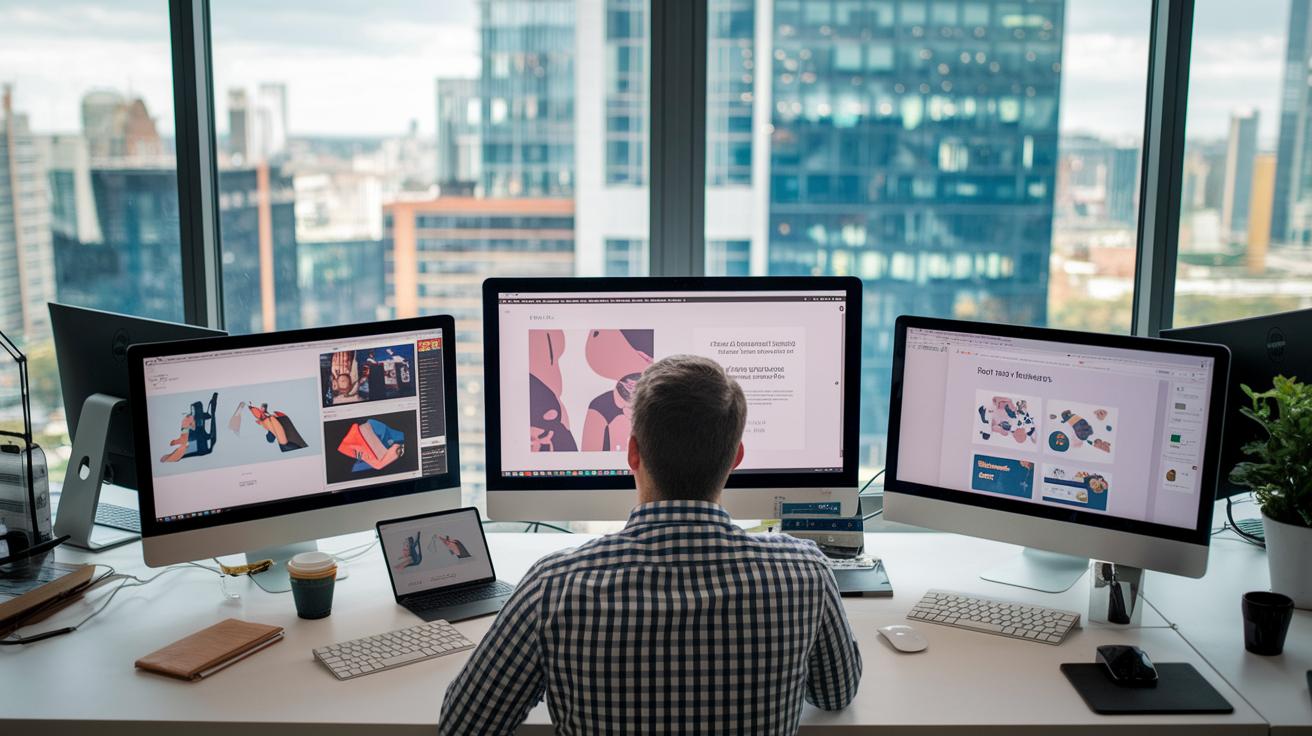
Interactive media started off pretty simple. Back then, websites were filled with basic links and Flash animations that let you click your way around. It was like a short chat with a website, and even though there wasn’t much, it paved the way for what was to come.
Then came the 2000s, and everything changed. Designers began adding sounds, moving pictures, and smooth animations that made sites come alive. With HTML5 in the mix, web pages started reacting to your moves in real time. Instant data feedback made you feel like you were part of a live conversation rather than just reading static pages.
Today, things have gotten even more exciting. Digital content now offers immersive experiences powered by smart AI and AR/VR tools that make you feel like you’re really in the moment. As you explore these high-tech interfaces, every click feels interactive and personal. It’s a big shift from the old days of simply browsing, now, you’re right in the action.
Interactive Media: Simplified Concepts & Practical Examples
Interactive media is all about making everyday experiences more fun by getting you involved. Today, things like education, gaming, advertising, and training use interactive tools to keep you excited and engaged. Imagine an online class that throws in live quizzes with quick feedback, it’s almost like having your teacher right by your side. Or think about a video game where your choices change the story, making the adventure truly your own.
| Industry | Use Case | Benefits |
|---|---|---|
| Education | Team projects, game-like lessons, and tests that adjust to you | Keeps students interested and makes learning interactive |
| Gaming | Live multiplayer games, smart physics, and deep storylines | Makes games more fun with real-time changes and personal twists |
| Advertising | Clickable ads, custom video stories, and social media fun | Catches your eye and makes you want to learn more |
| Training | Real-life simulations and group reviews | Takes learning to the next level with hands-on practice |
Each area mixes interactive media into what they do, so every click feels important. Take education, for example, when students collaborate or challenge themselves with game-like tasks, they naturally stay more involved. In gaming, smart physics and choices that really matter create adventures that stick with you. Even in ads, creative content grabs your attention and keeps you interested. And in workplace training, adding simulations and real-time feedback turns regular learning into a much more engaging experience.
These examples show how interactive media changes us from passive viewers to active participants. When things are designed to react to our choices, the result is a more personal and memorable experience that benefits everyone involved.
Technologies Powering Interactive Media: Tools and Techniques
AI personalization engines and real-time analytics dashboards are key parts of making digital content feel personal. They learn from what you do and adjust the content live. For instance, imagine a music app that switches up its playlist based on your reactions. It makes every experience feel unique and tailored just for you.
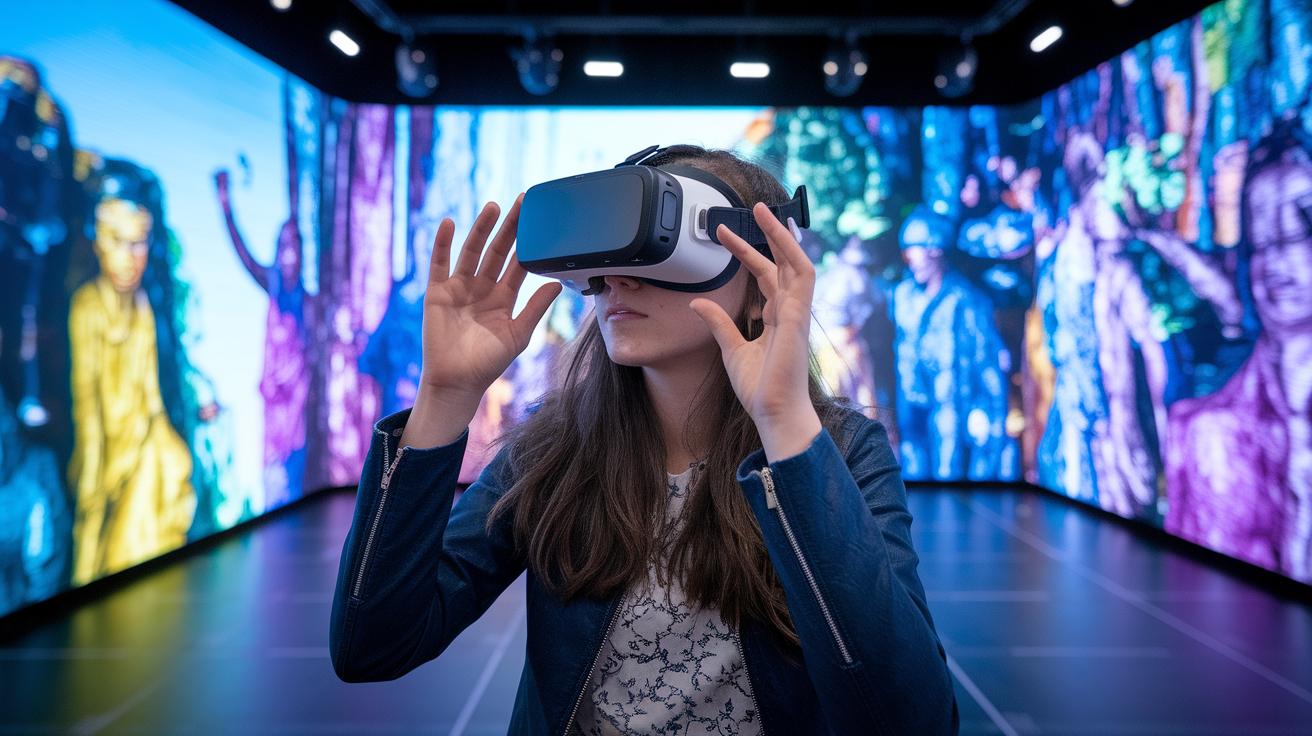
AR and VR frameworks let you jump right into the action. They bring digital scenes to life by blending the real with the virtual. Picture yourself in a VR gallery where artwork shifts with your every movement or using your phone to see cool extra details over the world. It’s like stepping into a whole new kind of interactive art.
Responsive web standards like HTML5, CSS3, and JavaScript build the smooth animations and flexible layouts you enjoy on modern websites and apps. Think of a site that changes design as you scroll – it’s almost like having a chat that adjusts to your every move.
Game engines like Unity and Unreal Engine fuel the magic behind dynamic digital worlds. They offer rich graphics and real-time changes so every decision can shape the story. Imagine playing a game where what you choose truly changes the adventure before your eyes.
Designing for Engagement: Interactive Media Design Strategies and Trends
Today, interactive design is all about putting people first. Designers are busy crafting interfaces that feel friendly and custom-made for you. It’s like the moment you get a warm hello from an app that knows your name. They add small details such as tiny animations (micro-interactions) and layouts that adjust easily on any device. These little touches can turn your casual scroll into a fun chat that reacts to your every move.
Have you ever felt that spark when an app truly seems to know what you need? It’s a bit like getting a personal welcome every time you check in.
Here are some cool ways designers keep things exciting:
- Gamification – Picture earning points or badges as you use an app, like winning a digital trophy after finishing a quick quiz.
- Personalization – Imagine your favorite music app that curates a playlist just for you, making the experience feel uniquely yours.
- Micro-interactions – Think of a tiny heart animation that pops up when you like a post, adding a fun little response.
- Responsive microcopy – That’s the helpful text which changes as you explore features, guiding you in a friendly way.
- Real-time feedback – It’s like taking a quick poll where you see results right away after you hit submit.
Designers also keep track of how you interact by looking at things like click rates and how long you stay. This info helps them fine-tune every detail so that every tap or swipe feels natural, engaging, and consistent no matter how you connect.
Career Paths and Education in Interactive Media

Colleges and online platforms offer lots of programs in interactive media, digital design, and game development. You can go for a full bachelor's degree or pick a shorter certificate program that focuses on hands-on learning. These courses mix classroom sessions with online work, so you learn at your own pace while still getting feedback from experts and working on team projects.
The classes usually cover the must-have skills for today's digital world. You’ll learn about UX/UI design, multimedia production, programming, and project management (which is just a fancy way of saying organizing projects). For instance, you might make a simple interactive website, kind of like putting together your favorite playlist where every part creates a smooth, fun journey. This blend of tech skills and creative storytelling preps you for real-life challenges.
Job roles in interactive media are really in demand. Many graduates start as interactive designers, multimedia producers, UX researchers, game designers, or even AR/VR developers. With more remote work and freelance gigs, you can work from an office or the comfort of your own home while handling projects for companies across the country. It’s a field that values creativity and technical skill, giving you great flexibility.
The job market for interactive media keeps growing. Employers are on the lookout for new talent who can blend design, programming, and storytelling into one package. And check this out, salaries can be around $75k in Texas up to $85k in California. Building a strong portfolio and keeping your skills current will definitely help you shine in this competitive space.
Final Words
In the action, we explored how digital interactivity turns passive viewers into active participants. We covered everything from defining interactive media to its growth from early web pages to today’s AI and AR experiences.
We also looked at its real-world uses in education, gaming, advertising, and corporate training, along with the tech and design tricks that bring these experiences to life. Embracing interactive media makes the world of entertainment more engaging, exciting, and fun for everyone.
FAQ
What is an interactive media degree and course?
An interactive media degree teaches you to combine text, audio, video, and animation into digital experiences. It covers courses that equip you with skills for creating interactive content in schools and online programs.
What are some examples of interactive media?
Examples of interactive media include websites with dynamic elements, gamified educational tools, immersive mobile apps, and popular platforms like TikTok that let users actively engage with content.
What are the 12 types of interactive media?
The 12 types of interactive media span different formats such as web applications, mobile apps, interactive displays, AR, VR, video games, digital art installations, and more that convert passive experiences into engaging ones.
What are interactive media jobs?
Interactive media jobs include roles like interactive designer, multimedia producer, UX/UI expert, game designer, and AR/VR developer. These positions focus on creating engaging, user-driven digital experiences.
What is an interactive media company?
An interactive media company focuses on designing and producing digital content that blends various media formats. They create engaging experiences by combining video, audio, animation, and interactive technology.
What is interactive media design?
Interactive media design is the creative process of crafting digital content with elements that respond to user actions. It emphasizes building interfaces and experiences that encourage active participation.
Is TikTok interactive media?
TikTok qualifies as interactive media because it blends video content with features like comments, likes, and sharing, allowing users to participate actively and shape their viewing experience.
