Have you ever felt like your digital world is too one-sided? Interactive media lets you take the reins with every click and swipe. It turns a boring screen into a lively conversation where you don't just watch but join in. In our post, we explain what interactive media really means and show how it transforms ordinary content into something personal and fun. So why not dive in and take control of your own digital experience?
what is interactive media: Clear Digital Definition
Interactive media is a type of content that changes based on what you do. Instead of just watching a movie or reading a page, you get to click and swipe, making the experience your own. Think of it like stepping into a story where every choice you make gives a different twist.
Unlike regular media that always shows the same thing, interactive media listens to your actions and adjusts right away. Whether you’re scrolling through an app, watching an interactive video, or joining a digital event, the content feels like it was made just for you.
This idea is important because it puts you in the driver’s seat. When media adapts to your input, it turns watching into an exciting conversation where you’re not just an observer, but a creator too.
The Evolution of Interactive Media
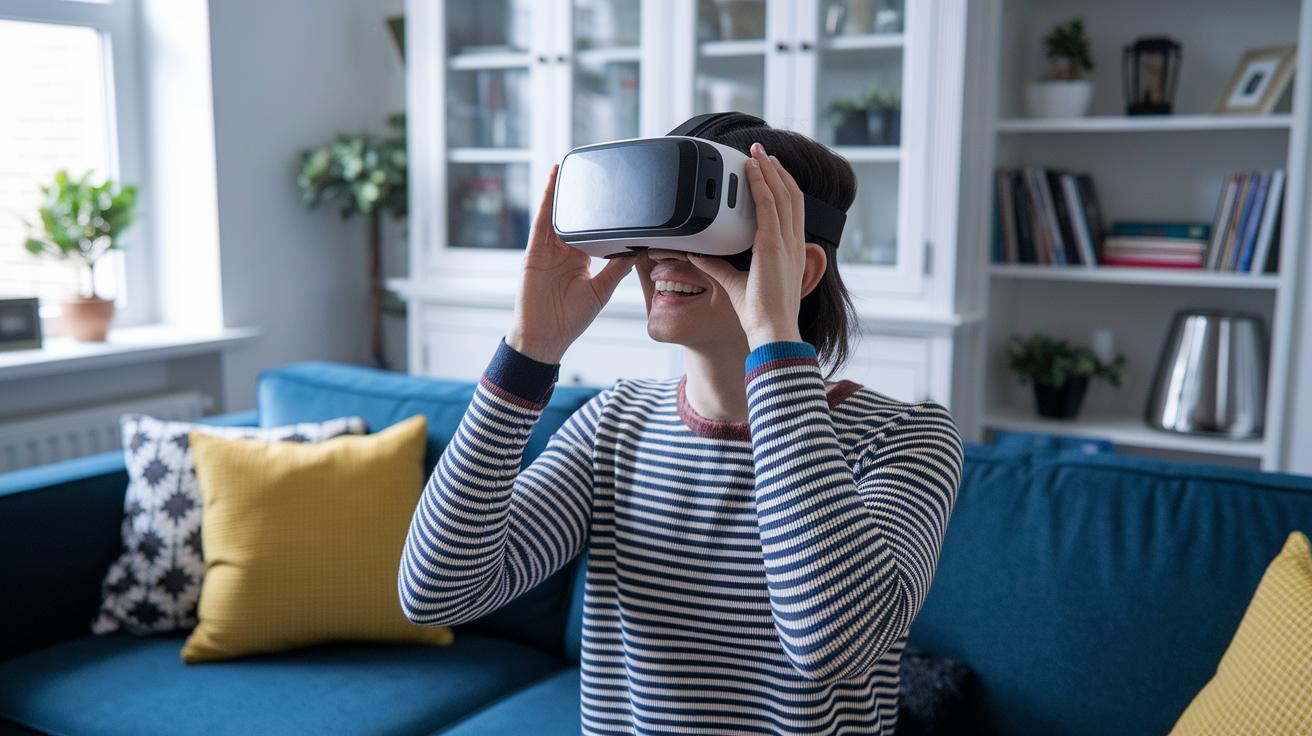
Back in the early nineties, websites were pretty basic. They had just text and pictures, and you could only read what was shown, kind of like flipping through a plain old book.
Then video games came along and turned those stagnant pages into lively, dynamic worlds. With sales topping $70 billion, these games showed how cool visuals and interactive stories could grab millions of fans. It was like a choose-your-own-adventure book on screen, only way more vivid with amazing sounds and graphics.
In the 2000s, mobile apps really shook things up. They brought real-time updates, fun quizzes, and even augmented reality (AR, which adds digital stuff to the real world) right to our pockets. Soon, VR headsets and AR overlays offered complete, immersive experiences in gaming, training, and virtual tours. Have you ever been so amazed by a simple app? Even schools and businesses started studying how these interactive tools could boost learning and training, with key research updated in January 2022.
Core Components of Interactive Media
Imagine that every digital experience is built from simple ingredients that make things feel personal and exciting. They all work together to react to your actions right away. Every tap or swipe can change what you see, kind of like a fun live show that changes with the energy of the crowd.
- Mobile apps: These are like custom-made screens that adjust when you touch them. For example, an app might change its look based on where you are, making everything feel just right.
- Virtual reality systems: Think of a headset that takes you into a 3D world and listens to how you move. When you turn your head, it shows you new details like magic.
- Websites: Imagine a website that shifts its layout as you click around, showing you more of what really interests you.
- Video games: Some games let you choose your path with every decision you make, like picking a secret door in a mystery adventure.
- Social networking platforms: These let you join live polls or interactive stories where your vote can change the action and spark instant chats.
- Event multimedia: Picture a touchscreen at an event that reacts to your touch, showing info that feels made just for you.
- Learning tools: Think of an online classroom with interactive lessons and fun simulations that break down tricky ideas into easy steps.
All these parts mix together to create a smooth and lively experience. They work hand in hand, so every simple interaction makes you feel more connected to the story or content.
Formats and Examples of Interactive Media

Interactive media comes in all shapes and sizes, inviting you to take part rather than just watch. Whether it's a video that shifts when you click or a game that lets you decide what happens next, these formats draw you in and add a personal twist. Imagine watching an interactive video where every choice reveals a brand-new secret path, almost like unveiling a mystery with every tap. For instance, a cooking show might let you explore different recipe outcomes depending on which ingredient you pick.
Virtual reality takes you deeper into the experience. With a VR headset on, you're not just observing the action; you're living it. Picture yourself stepping into a game world where every turn changes with your head movement, making you feel truly part of the adventure. Augmented reality does something similar, it layers digital details over the real world. Think about trying on virtual clothes or seeing a historical exhibit come to life on your phone when you’re at a museum.
Interactive kiosks offer a fun way to get information, especially in busy spots like museums or airports. They give you a chance to explore at your own pace. Gamification sparks extra excitement by adding rewards like points or badges, turning ordinary tasks or learning moments into friendly competitions.
Interactive displays, such as touchscreens and digital whiteboards, bring simple and lively content together. Whether they’re in classrooms or at trade shows, these displays encourage you to tap and swipe, making interaction easy and natural.
| Format | Use Case |
|---|---|
| Interactive Videos | Click-through hotspots, branching storylines, quizzes |
| Virtual Reality (VR) | Immersive gaming, training simulations, virtual tours |
| Augmented Reality (AR) | Product demos, retail try-ons, educational overlays |
| Interactive Kiosks | Self-service information, museum exhibits, airport wayfinding |
| Gamification | Points, badges, leaderboards in marketing, fitness, education |
| Interactive Displays | Touchscreens, digital whiteboards in classrooms and trade shows |
These examples show how interactive media uses different ideas to create experiences that feel lively and personal. Each format brings its unique flavor, turning simple content into a fun and engaging adventure.
Practical Applications and Benefits of Interactive Media
Interactive media is everywhere, lighting up our digital world with energy and fun. In corporate training and e-learning, tools like quizzes and digital whiteboards invite you to learn by doing. Think of a class where a simulation lets you make choices that shape the lesson. It’s a great way to learn and helps information stick.
Companies love interactive campaigns too. They use them to build a stronger bond with customers and gather useful feedback. For example, a business might launch a mobile app campaign that rewards you with points and badges as you explore product features. This turns a normal shopping trip into a fun mini-game, making marketing feel playful.
Social media adds its own twist with live polls, interactive stories, and real-time feedback. Imagine tuning into an event where you and others vote on what happens next during a live broadcast. In schools, teachers use digital whiteboards and simulations to turn lessons into interactive sessions. This hands-on approach boosts social skills, language, and thinking abilities.
All these uses show that interactive media isn’t just about fun. It brings clear benefits like higher engagement, better memory retention, and important insights from customers.
Current Trends and the Future of Interactive Media
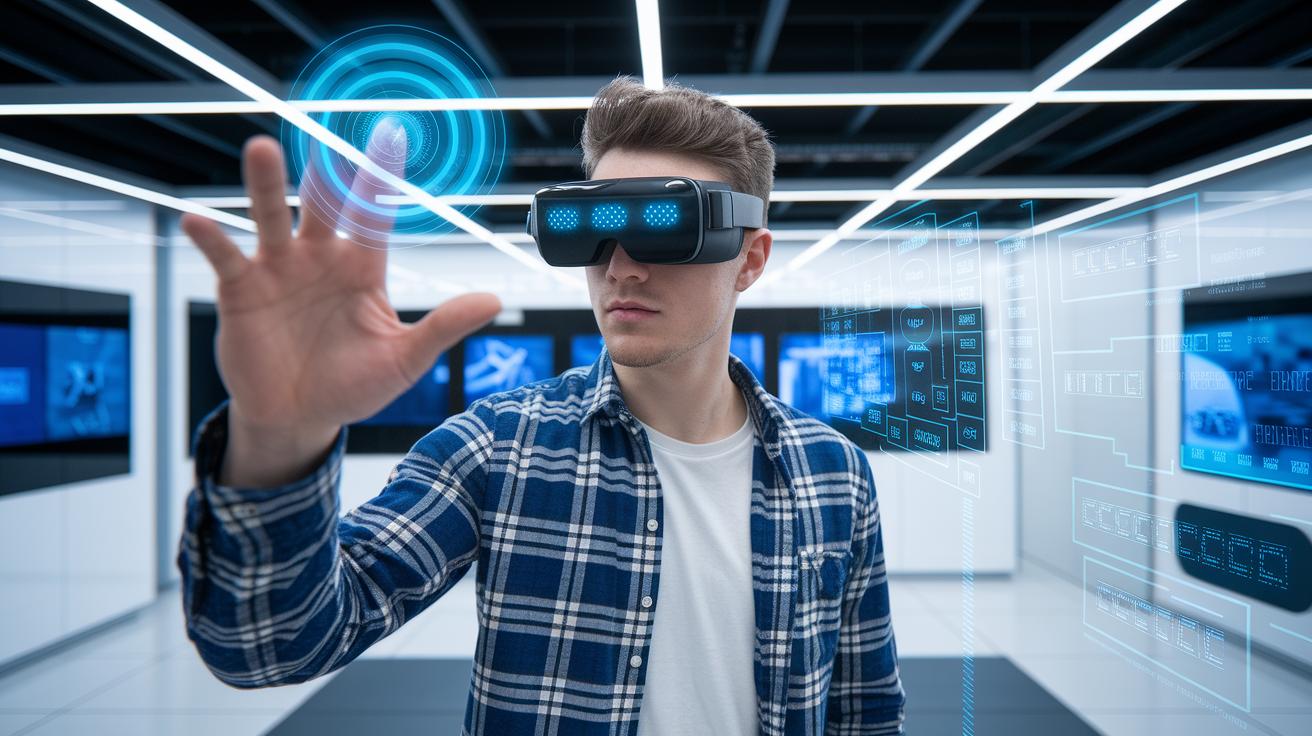
AR, VR, and XR tech are quickly taking center stage, changing the way we interact with digital content in marketing, education, and remote work. Mobile apps now mix AR into everyday life, so you can try on items virtually and shop in a fun, new way. Virtual showrooms and 3D configurators let you see products in realistic digital spaces, giving both retail and real estate a fresh twist. Plus, neat analytics tools track every tap and swipe to help make quick design fixes as you go.
Developers are also blending sounds, touch, and simple vibrations (haptic feedback means physical sensations) to create interactions that feel almost real. These improvements invite you to experience content in ways that go beyond just looking at it. With faster processing and better imaging, digital experiences are only getting more immersive. So, keep an eye on fresh trends and check out resources like Interactive Media Trends 2023 on Vasthysfriends.com for more insights. Stay tuned, the future is arriving fast.
Final Words
In the action of exploring interactive media, the article broke down its meaning and tracked its growth from basic websites to today's AR and VR scenes.
It unraveled the key features, from mobile apps to interactive displays, and showed how these elements create engaging experiences across entertainment, education, and business.
We also saw fresh trends that hint at the future of what is interactive media.
Keep embracing new ways to interact with content, and let these ideas spark your next creative move!
FAQ
What is interactive media and can you give examples?
The definition of interactive media refers to digital content that responds to user input. This includes examples such as interactive videos, VR experiences, AR applications, and digital kiosks that actively engage viewers.
What is interactive media in education and what are some examples in this setting?
Interactive media in education uses tools like interactive whiteboards, simulations, and online quizzes to encourage active learning. These examples help boost student engagement and make lessons more hands-on.
What are the 12 types of interactive media?
The term “12 types” can cover various formats such as interactive websites, video games, social media platforms, mobile apps, VR, AR, interactive kiosks, streaming platforms, and other user-driven content forms.
What are the advantages of interactive media?
The advantages of interactive media include higher user engagement, improved learning and retention, richer user experiences, and the ability to gather feedback that shapes content more effectively.
What is the history of interactive media?
Interactive media has evolved from static 1990s websites to sophisticated video games, mobile apps, and VR setups, each stage enhancing the way users interact with digital content.
What does an interactive media course cover?
An interactive media course covers digital content creation, design fundamentals, user experience techniques, and multimedia storytelling, equipping students with skills to craft engaging and responsive content.
Is TikTok or YouTube considered interactive media?
TikTok and YouTube are interactive media because they allow users to comment, share, and engage with dynamic content. Their features drive real-time interaction and personalized user experiences.
What is media interaction and can you give an example of interactive content?
Media interaction means content that changes in response to user actions. A good example is a clickable video or quiz that guides the viewer through a tailored content experience.
