Have you ever thought that reading the news could feel like being at a live show? Today’s journalism mixes classic reporting with photos, sound, videos, and interactive bits that pull you right in. News is no longer just words on a page, it’s an experience that wraps you up in every detail. This fresh approach makes stories come alive in a way plain text never could, inviting you to see, hear, and really feel each moment.
How Digital Storytelling Is Transforming Journalism Today
Digital storytelling in journalism mixes classic reporting with new digital tools like images, video, audio, and interactive features. It used to be simple pages with photos and basic slideshows, but now it feels like stepping into a live concert with vivid visuals and real-time updates.
Imagine this: in the early days, stories were just a bunch of photos and text. Today, you get interactive maps and video segments where you can click around and explore. This change comes from cool tech advances and easy access to digital platforms. Anyone with a smartphone or computer can jump into these rich, moving stories.
Reporters now weave in audio clips that add a personal touch, and interactive visuals make tough details easier to understand. They even design experiences that let you decide how to see the news. It isn’t just about reading anymore, it’s about feeling the story come alive.
Multimedia Narrative Techniques in Journalism

Multimedia elements make news come alive. Journalists mix pictures, sounds, and interactive bits to pull you right into the story. It feels like you're part of the scene instead of just reading about it. For example, a photo essay might use vivid images with clear, helpful captions.
- Photo essays that mix pictures with words
- Interactive timelines that let you follow events step by step
- Visual charts that turn data into easy-to-see trends
- Short, documentary-like video clips
- Embedded podcast or audio segments
- 360° videos that give you a full view of the scene
Each of these methods shows things in a fresh way. A photo essay captures real emotions on people’s faces, giving you a feeling for the moment. Interactive timelines work like flipping through the pages of a storybook, letting you see events as they unfold. Visual charts take plain numbers and turn them into pictures that are simple to grasp.
Short video clips let you see and hear news at the same time, making challenging topics easier to understand. When a report includes podcast segments, it sounds more like a friendly conversation, which helps build trust. And with 360° videos, it’s like you’re right in the middle of the action, getting a complete view that regular videos just can’t match.
By mixing these different media, journalists create stories that really hit home. Think of it like going to a live show where every sight and sound connects you to the moment, turning news into an experience you truly feel.
Digital Storytelling in Journalism: Spark Media Impact
Interactive news platforms are changing how we get our news. Journalists are mixing in cool tools like choice paths and visual data that let you pick which part of the story to dive into. It’s like turning a regular article into your own little adventure instead of just reading passively. And then there’s virtual reality reporting and augmented reality features that let you step right into the scene. Picture this: you slip on a VR headset and find yourself in the middle of a protest, or you use your phone to see how the neighborhood is changing right before your eyes. It’s an entirely new way to feel the buzz of live news.
These fresh media techniques are shaking up the old way of doing journalism. They invite you to really explore headlines, figures, and visuals in a way that grabs your attention. Have you ever clicked on an interactive story and felt like you were part of the action? Mobile apps and web sites are turning simple news into events you can see, hear, and almost touch. For example, checking out Immersive Art and Digital Storytelling shows how narrative and art can blend together to pull you in deeper. In these experiences, you’re not just reading the news, you’re living it, making each story feel personal and engaging.
Case Studies of Journalistic Innovation in Digital Storytelling
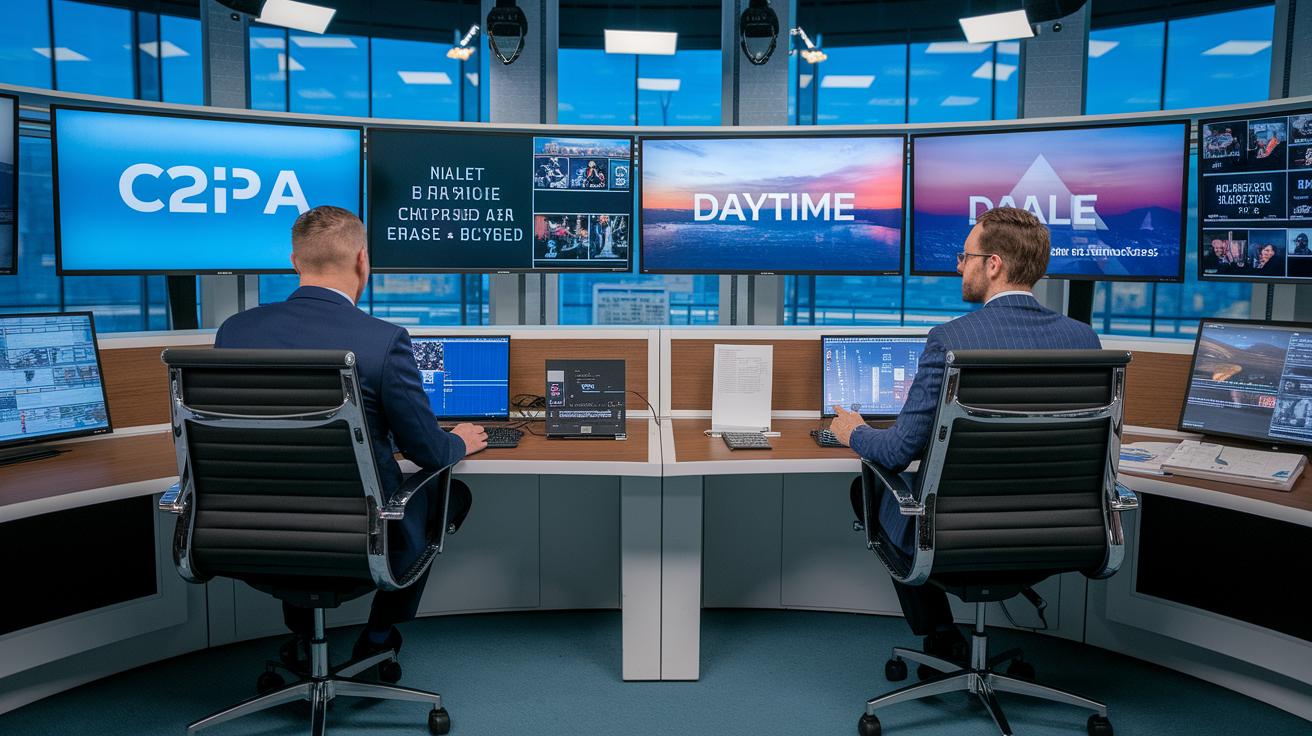
France Télévisions joined forces with Dalet to use C2PA technology, making it easier to verify content and cut down on false info. This new way of working lets editors trust the facts and work faster every day. Reporters now enjoy a reliable system that checks every little detail, replacing an old, clunky process with something smooth and efficient. It’s like trading in a wobbly old tool for one that fits perfectly, accuracy and speed both got a clear boost.
Then there’s the Storytelling 360 setup using Dalet Pyramid. Newsrooms are buzzing about this cool, cloud-based system that makes remote teamwork a breeze. Teams can work on one story together while keeping track of every change, no matter if it’s designed for a smartphone or a big screen. This system takes the boring, repetitive tasks and turns them into interactive, agile experiences that really raise the bar for digital reporting. Reporters say it not only speeds things up but also lifts the quality and consistency of all their multimedia projects.
| Case Study | Organization | Technology Used | Key Outcome |
|---|---|---|---|
| France Télévisions C2PA Partnership | France Télévisions | C2PA Technology, Dalet | Better content trust and smoother workflow |
| Storytelling 360 Implementation | Various Newsrooms | Dalet Pyramid | Stronger teamwork, flexible formats, and cost savings |
These examples show how digital storytelling is pushing journalism forward, turning everyday reporting into a more connected, engaging, and efficient adventure.
Measuring the Impact of Digital Storytelling on Audience Engagement and Media Literacy
Digital storytelling takes news to a whole new level. It mixes eye-catching images, sounds, and clickable data so you actually join the experience instead of just reading. It makes you pause and think about what appears on your screen. Imagine clicking on a live graph during a major event and suddenly wondering what secrets lie behind those numbers. One reader, within seconds of exploring an interactive timeline, discovered that a local protest had sparked heated national talks on policy changes.
But it doesn't stop there. Digital storytelling uses smart, data-driven techniques to help us check facts and report responsibly. Reporters now lean on real-time numbers and feedback to shape their stories, making sure everything is fair and true. This approach not only builds trust but also shows just how involved you are with each story. The data even points out which parts of a narrative spark discussion, turning every click into a chance to learn something new.
Interactive tools let you share your own experiences, making you a creator rather than a passive viewer. This turns old-school news into a lively conversation where every voice matters. With multimedia narratives, even the most complicated details become clear and easy to follow.
- Real-time feedback that shows what readers think
- Data insights that help adjust the story as it unfolds
- Built trust through careful fact-checking of online content
In the end, these techniques create a strong bond between storytellers and their audience. They boost media literacy and invite everyone to work together in exploring and understanding the news.
Future Trends Shaping Digital Storytelling in Journalism

Artificial intelligence is changing the way stories are told. Newsrooms now use clever systems that whip up stories in real time. Imagine reading a headline that shifts as fresh details roll in. Thanks to AI, every report feels uniquely tailored for you.
Augmented reality is shaking up how we see the news. It mixes real-world visuals with extra information, so when you're reading about a city event, important spots might appear right on your screen. And soon, virtual reality could let you step right into the scene, making the news feel a lot more real.
Personalized mobile news delivery is also on the rise. Instead of one-size-fits-all reports, your phone can now send you updates that match your interests and schedule. With voice-enabled features, you can even ask for more details or hear a quick summary in your own voice. All these new tools are here to make the news feel more engaging and personal every time you read it.
Final Words
In the action, this article shows how digital storytelling in journalism transforms the way we see news. It explored how mixing images, audio, and interactive features can bring stories to life. We looked at practical techniques, real-world examples, and interactive experiences that boost reader connection. Plus, it highlighted how analytics help shape honest and engaging storytelling while eyeing future trends. The excitement of new tech keeps media fresh and meaningful. It’s a thrilling time to see how stories evolve right before our eyes.
FAQ
What are some digital storytelling in journalism examples?
Digital storytelling in journalism examples include interactive timelines, immersive video pieces, and integrated audio narratives that combine visuals and sound to immerse audiences in a multi-layered news experience.
What does a digital storytelling in journalism PDF typically include?
A digital storytelling in journalism PDF typically features guides on blending traditional reporting with digital tools. It explains multimedia narrative practices and practical steps to create engaging interactive stories.
What is the importance of digital storytelling in journalism?
The importance of digital storytelling in journalism lies in its ability to connect with audiences by using multimedia elements like video, images, and audio to create engaging and memorable news experiences.
How does a Master’s in Journalism differ in focus?
A Master’s in Journalism program emphasizes multimedia reporting and digital storytelling techniques, blending traditional news ethics with innovative digital tools to produce compelling news narratives.
What should one expect from a 1 year Journalism master’s program?
A 1 year Journalism master’s program offers concentrated coursework that rapidly develops skills in multimedia reporting, digital tools, and storytelling methods to prepare students for fast-paced media environments.
What do media production Master’s programs offer?
Media production Master’s programs offer training in digital storytelling, teaching students how to combine creative techniques and technical skills to produce engaging multimedia content across various platforms.
How does public policy connect with journalism?
Public policy and journalism studies explore how media narratives shape societal decisions. They use interactive and data-driven storytelling techniques to inform and engage the public in policy discussions.
What does a Broadcast Journalism master’s program provide?
A Broadcast Journalism master’s program provides training in real-time multimedia reporting, equipping students with skills in digital storytelling and interactive news production for television, radio, and online platforms.
What are the 7 elements of digital storytelling?
The 7 elements of digital storytelling include a clear point-of-view, emotional content, a dramatic arc, personal details, quality visuals, pacing, and a strong narrative that resonates with audiences.
What are the 5 C’s of storytelling?
The 5 C’s of storytelling are context, characters, conflict, clues, and conclusion. These elements work together to create coherent, engaging, and relatable narratives for any audience.
What are the 7 steps of digital storytelling?
The 7 steps of digital storytelling involve identifying the message, selecting a medium, crafting a narrative, gathering content, integrating multimedia, editing the story, and finally, sharing it online for audience engagement.
What are the 4 P’s of storytelling?
The 4 P’s of storytelling are premise, plot, pace, and personality. Each element helps shape the structure and style of a narrative, ensuring it remains engaging and relatable to its audience.
