Have you ever thought that digital content might actually come alive? Crafting interactive media is a cool blend of clever tech and creative spark. Imagine bright floor projections, fun digital touchscreens, and systems that follow your every move. This mix takes ordinary content and turns it into something personal and truly engaging.
With a focus on real-time action and smart design, interactive media doesn’t just tell a story, it pulls you right into the heart of it. So, get ready to see how blending sound, motion, and visuals can light up your world in ways you never expected.
Fundamentals of Building Interactive Media Experiences
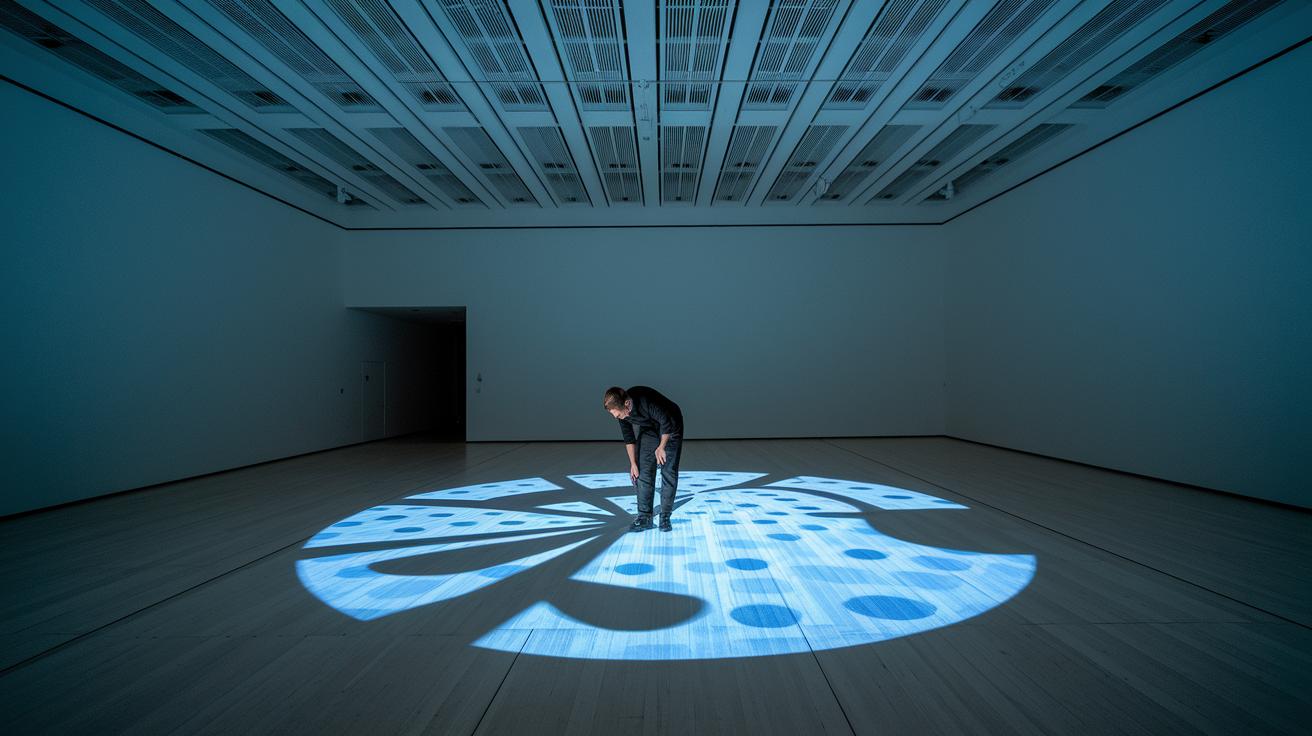
Creating interactive media experiences is like mixing cool digital tech with the real world. These setups use features like digital touchscreens, floor projections, AR kiosks, and systems that wake up with your movement, touch, or even sound. This clever blend invites you to jump right in and be part of the experience. Learn more about what is interactive media.
These experiences are all about sharing creative content while connecting brands with people. When creators add fun elements such as polls, quizzes, or simple data views, the end result feels personal and full of energy.
- Interaction: Real-time involvement that reacts to your motion, touch, and sound.
- Narrative: Storytelling that draws you in and keeps you hooked.
- Responsive design: Layouts that quickly adjust to your device, whether it is a phone or tablet.
- Feedback loops: Quick responses that help fine-tune the experience.
- Technology integration: A smooth mix of hardware and software that works perfectly together.
By blending these elements, interactive media experiences spark lively content and build a strong user strategy. This mix of interaction, storytelling, smart design, and instant feedback creates a space where you feel both heard and entertained. The result is a creative zone that welcomes your input while sending a clear, immersive message in a world craving interactive and personalized fun.
Designing Interactive Media Experiences with the ADDIE Model
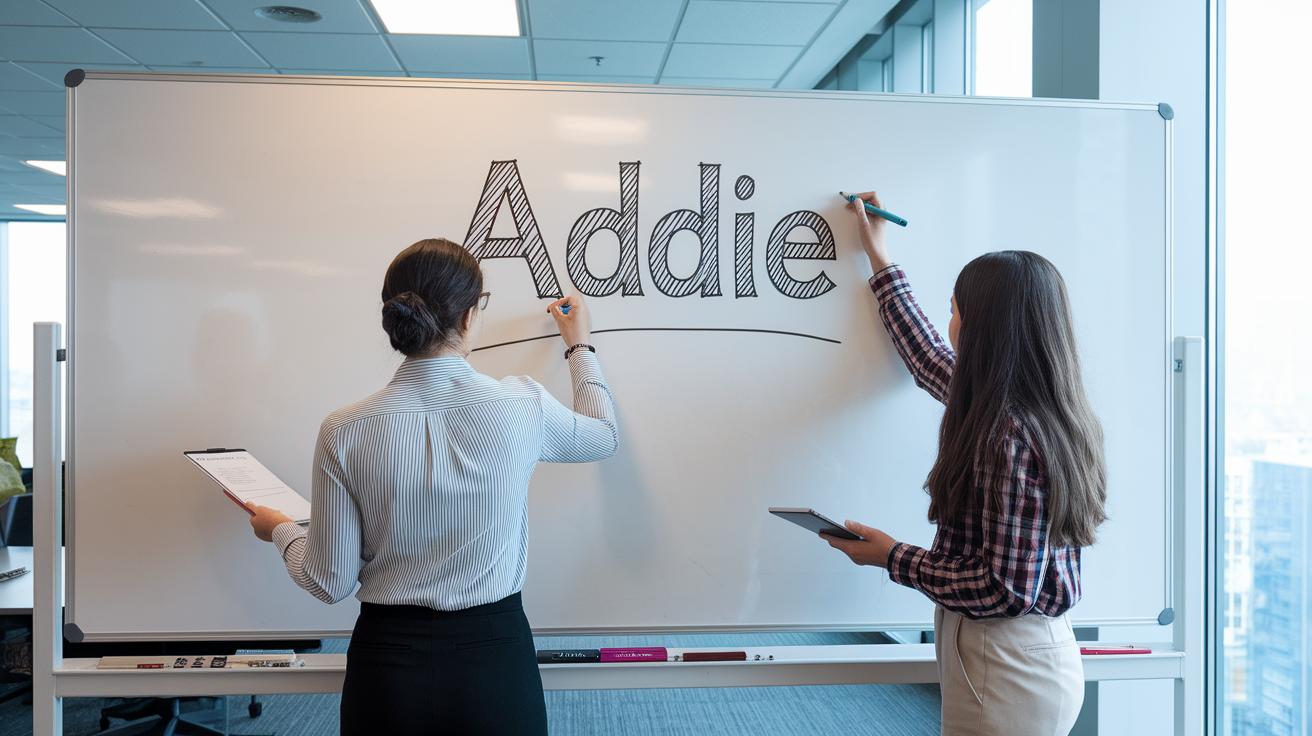
The ADDIE model is a well-known guide that covers Analysis, Design, Development, Implementation, and Evaluation. It acts as a step-by-step roadmap for creating digital interactive experiences. This clear framework leaves plenty of room for creative ideas while keeping everything on track. Teams use it to turn their ideas into engaging projects through careful planning and constant feedback.
In the Analysis stage, teams collect research on what the audience enjoys, the setting, and technical possibilities. Designers study user behavior much like detectives looking for clues. This stage builds a solid foundation, helping ensure that every creative choice fits the audience and technical needs.
Next comes Design. Here, teams turn all that research into simple blueprints using tools like wireframes, storyboards, and interaction maps. These visual plans show every step of the journey. This stage is where creative vision meets technical details, setting the stage for clear, interactive plans. If you’re curious, you can check out some real examples of interactive media design on our site today.
Now in the Development stage, the ideas start coming to life. Writing scripts, recording audio, creating graphics, and coding all blend together to build experiences that click with people. Designers carefully mix visual elements with clean coding to make sure every interaction feels smooth and responsive. Each part is fine-tuned to deliver a lively digital performance.
Then comes Implementation. In this stage, the team sets up platforms, trains users, and gets ready to launch. They install the necessary hardware and software to prepare the system for public use. With careful scheduling and solid support, this phase turns the blueprints into real, upbeat experiences that truly captivate the audience.
Finally, there is Evaluation. Teams gather feedback by running tests, collecting user data, and reviewing outcomes. This ongoing process helps them make small changes that add up over time. By constantly adjusting strategies, they keep every interactive experience fresh and effective, connecting with the audience every time.
Essential Tools and Platforms for Building Interactive Media Experiences
Interactive media is about turning regular content into lively, eye-catching shows that grab your attention. Today, you can make these fun displays easily without knowing how to code. Many tools help you add cool features like augmented reality (mixing digital things with real life) and virtual reality (a full digital world) that work well on your phone and your big-screen TV.
Whether you’re building colorful data charts or designing a scrolling story full of images and text, having the right tool makes a huge difference. These platforms let you set up fast, adjust on the fly, and keep users hooked with smooth, real-time changes. Imagine it as putting together your favorite toolbox where each piece helps spark the magic of interactive fun. Check out some great options below:
- ThingLink – smart images with clickable spots
- Apester – fun social polls, quizzes, and surveys
- Mapme – design maps easily without code
- Shorthand – tell scrolling multimedia stories
- Flourish – creative templates for visualizing data
- Qzzr – build quick and lively quizzes
- Outgrow – over 1,000 interactive widgets at your fingertips
- Infogram – eye-catching, mobile-friendly infographics
| Tool | Best Feature | Use Case |
|---|---|---|
| ThingLink | Works on any device | Interactive images and clickable hotspots |
| Apester | Engaging social content | Polls, quizzes, and surveys |
| Mapme | No-code maps | Creating interactive maps |
| Shorthand | Scrolling storytelling | Rich multimedia narratives |
| Flourish | Data storytelling ease | Custom data visualizations |
| Qzzr | Simple quiz maker | Responsive interactive quizzes |
| Outgrow | Huge template pool | Interactive widgets and calculators |
| Infogram | Perfect for mobile | Interactive infographics |
Best Practices for Building Interactive Media Experiences

It all starts with a set of proven ideas that keep building interactive media fun and clear. You begin with a team brainstorming session where everyone tosses out quick ideas from the very first meeting right through to live user tests. For example, creative teams often kick off with a round of rapid-fire ideas that set the mood and spark new concepts. This helps everyone know what to expect and lays the groundwork for engaging content.
Working together makes ideas stick. Brainstorming and prototyping let you shape ideas during hands-on group sessions. People gather around sketches, whiteboards, or digital tools to craft early versions, kind of like putting together a puzzle where every piece matters. As you work side by side, you spot potential issues and cheer on even the smallest wins, which keeps the creative energy flowing.
Then comes testing, where your ideas meet the real world. This phase involves letting actual users try things out and even running simulated trials to catch glitches or any mix-ups before you go live. Think of it like rehearsing for a sudden stage interruption so you're ready for anything. Repeating tests and having a backup plan ensures a smooth, enjoyable experience for all.
Finally, it’s important that every touch fits the brand’s personality. By mixing creative ideas with clear, honest messaging, you create a final experience that truly connects with your audience. This blend of artistic vision and practical planning results in a polished, memorable journey for everyone involved.
Case Studies Demonstrating Successful Interactive Media Experiences
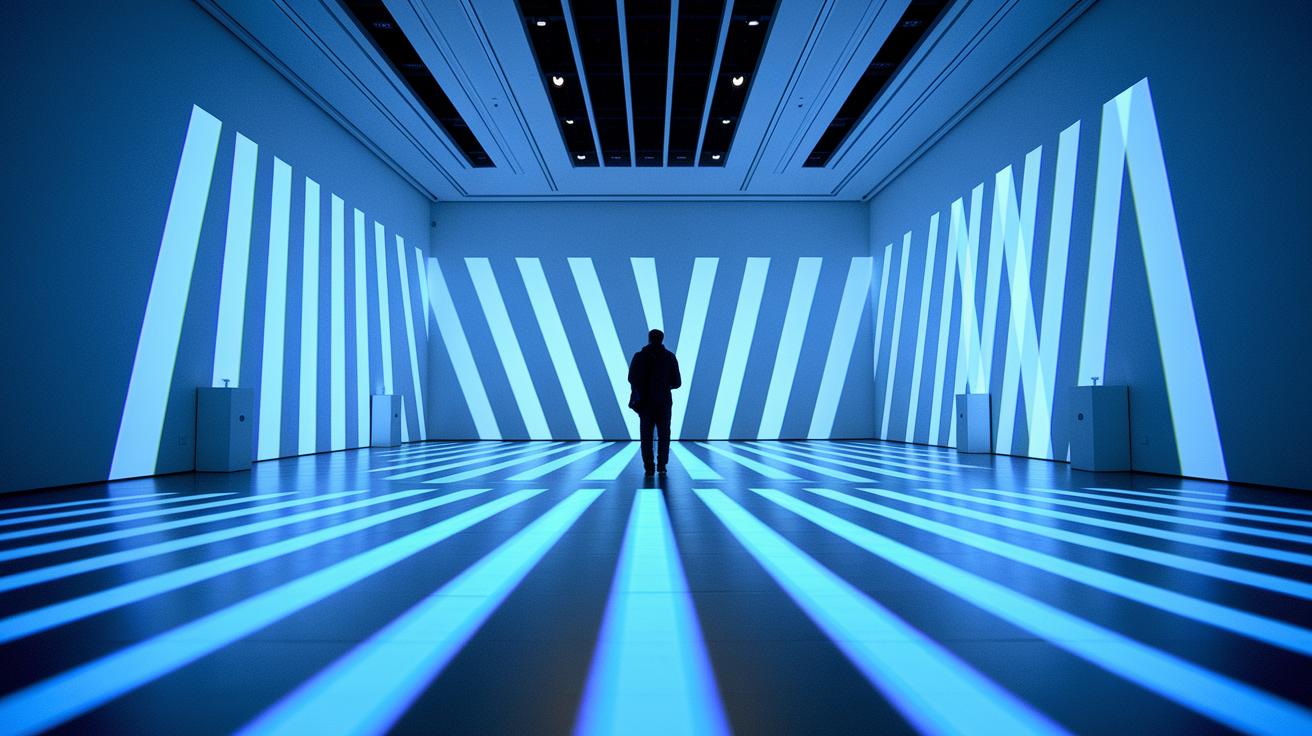
Bridgewater Studio completely changed how brands tell their stories. They created fun setups with floor projections and AR kiosks that invite you to move and play. When you step into the space, every touch and gesture lights up graphics in surprising ways. People felt a strong connection because everything seemed natural and engaging. Check out some installation art examples here to see more cool ideas.
A museum took things even further with VR that tracks your head moves in real time. Guests wandered through 3D scenes that changed based on where they looked, so every display felt personal. This mix of art and digital magic encouraged visitors to explore, keeping them captivated longer. With real-time tracking and immersive sounds and lights, the experience left a lasting impression on everyone. It truly shows what the future of interactive media can be like.
Future Trends in Building Interactive Media Experiences
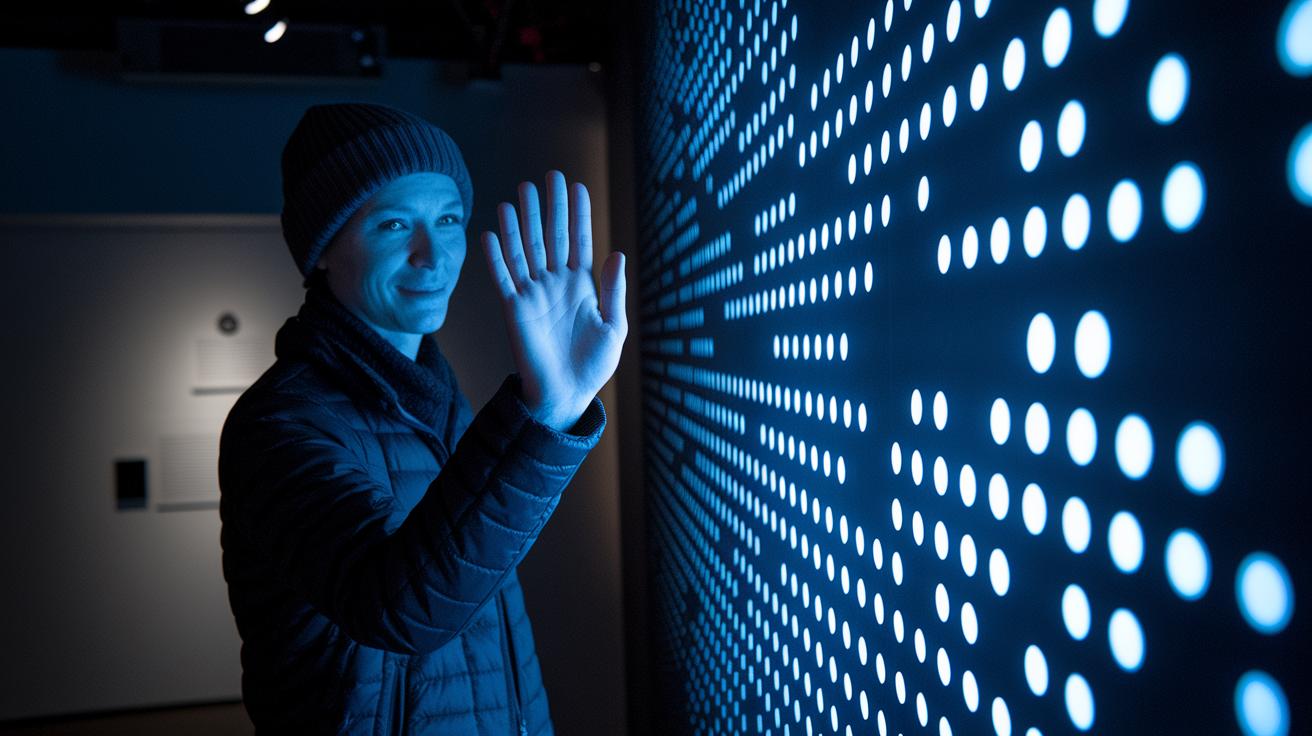
The future of interactive media is all about mixing the real and the digital in fun, engaging ways. Imagine installations that move with you, reacting to your gestures, sounds, or even a simple touch. Soon, these setups will get a boost from smart tech like generative AI (which can create stories on the fly) and gesture-operated screens that give you more control. It’s like being at a live show where every wave or nod triggers a new burst of sound or a splash of color. For instance, during one test, a simple hand wave turned into an instant explosion of color and sound that wowed everyone.
Next, designers and fans alike will enjoy these cool upgrades as spatial computing (tech that blends digital art with the real world) opens up new creative playgrounds. Picture wearing a suit that lets you actually feel the beat of an interactive concert, or a control panel that shifts right along with your moves. These groundbreaking experiences will change the way we interact with media, turning every touch into a one-of-a-kind story while sparking a fresh wave of creative innovation.
Final Words
in the action, we explored the core ideas behind building interactive media experiences in a clear, fun way. We looked at the basics, the ADDIE design steps, the hands-on tools, and best practices that keep content fresh and engaging. Real case studies and future trends proved how these ideas come to life in real time. By keeping it simple and smart, building interactive media experiences can really spark creative energy and drive positive change. Enjoy creating and engaging with your next big interactive project!
FAQ
What are some interactive media experiences examples?
Interactive media experiences include digital touchscreens, motion-responsive floor projections, AR kiosks, and engaging content like polls, quizzes, animations, and social conversations that capture user attention.
What resources are available for building interactive media experiences?
Building interactive media experiences relies on various resources, such as reviews that assess design methods, downloadable PDFs and PPTs offering detailed guides, and free online tools that simplify creative processes.
How do platforms like Genially, ThingLink, and Canva support interactive media experiences?
Tools like Genially, ThingLink, and Canva allow users to easily design interactive content with responsive images, clickable hotspots, and intuitive drag-and-drop features, making media creation more accessible for everyone.
What are the four types of interactive multimedia?
The four types of interactive multimedia include text, audio, video, and graphics, which together create a dynamic digital environment that encourages active user participation.
What are the techniques of interactive media?
Techniques in interactive media cover clickable interfaces, real-time interactions, user-driven navigation, and employing digital touchpoints like quizzes and animations to boost engagement and provide seamless experiences.
What are the key features of interactive media?
Key features of interactive media involve clear interactive elements, integrated storytelling, responsive design that adapts to user input, feedback loops, and the smart integration of emerging technologies.
What are the principles of interactive media?
The principles of interactive media focus on user engagement through intuitive design, a smooth narrative flow, responsive interactivity, and the integration of technology to guide and enhance the user experience.
