Ever wonder how a digital story can pull you right into the action? It mixes old-school storytelling with cool modern tech (like interactive tools) to give you a whole new way to enjoy a tale.
Think about those simple scenes that catch your eye and leave you wanting more, they really work like magic. Next, we’ll dive into how different platforms add their own special twist to the art of storytelling.
Get ready to see familiar stories take on a fresh and vibrant life in today’s digital age.
Core Principles of Designing Digital Narratives
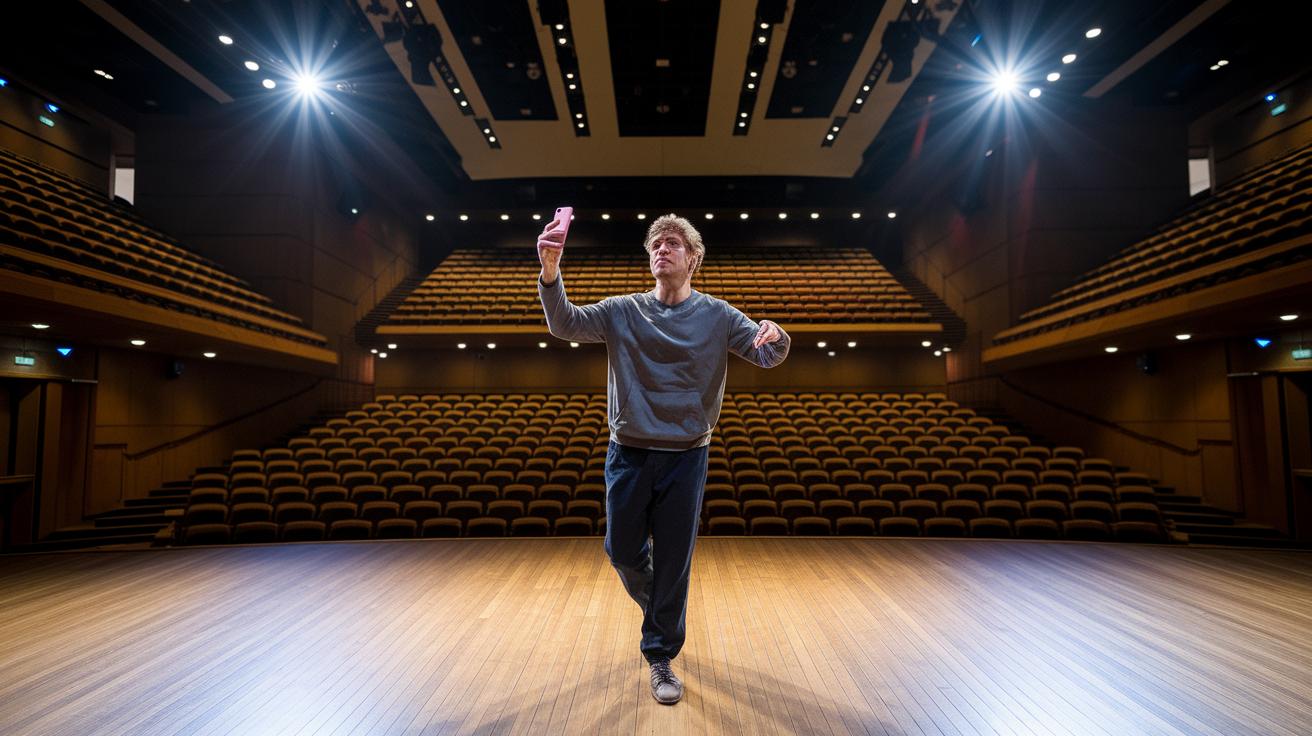
Digital narrative design is all about mixing classic storytelling with modern digital tools. It brings together familiar story elements with fresh, digital twists. Imagine a story that starts with a surprising fact, like an actor rehearsing alone in an empty hall, not knowing that this quiet moment would light a fire for many future performances.
Each platform has its own flavor of storytelling. On Instagram, short, picture-driven arcs catch your eye right away. On Twitter, you get tiny stories that pack all the action into a quick tweet. It’s kind of like piecing together a puzzle where every part has its own shape but all fit together to form a complete picture.
A solid digital narrative grabs you early and builds tension as it goes. Every bit of dialogue and each scene adds to the characters and their struggles. Simple hints of upcoming challenges keep you curious and eager to know what happens next.
By sticking to these design basics, creators build stories that strike an emotional chord while staying true to each platform’s unique style. Check out the Digital Storytelling link for more on these core ideas. This blend of old and new makes every digital narrative both engaging and heartfelt.
Crafting Interactive Story Experiences in Digital Narratives

Interactive story creation blends a great tale with cool digital tools. Start with an eye-catching hook like, "Picture this: a lone figure enters a dim room and a ticking clock pulls you into a mystery unfolding." This little moment sets the stage for a story that feels almost alive.
Adding multimedia brings another layer of fun. Think of sounds that catch the clash of swords or whispers in a secret hall. Video clips can show a character's true emotions. And with clickable parts, you can choose hidden paths, like tapping a button to discover the secret diary entry that holds the clue.
Using interactive plot choices is key in creating these digital adventures. Designers set up options where your picks steer the story. It works much like a choose-your-own-adventure book, where each decision sends the story in a new direction. Every click or tap turns reading into a real hands-on journey.
New tech like augmented reality can pull the story into your world. Imagine using your phone to see a digital mural appear on a plain wall, drawing you deeper into the story. This trick makes you more than just a viewer, you become an active part of the adventure.
Every part of the design, from embedded audio to branching story paths, is meant to keep the feeling strong and true. With each choice you make, the narrative grows more dynamic and personal.
Structuring Plot Development and Character Arc Crafting
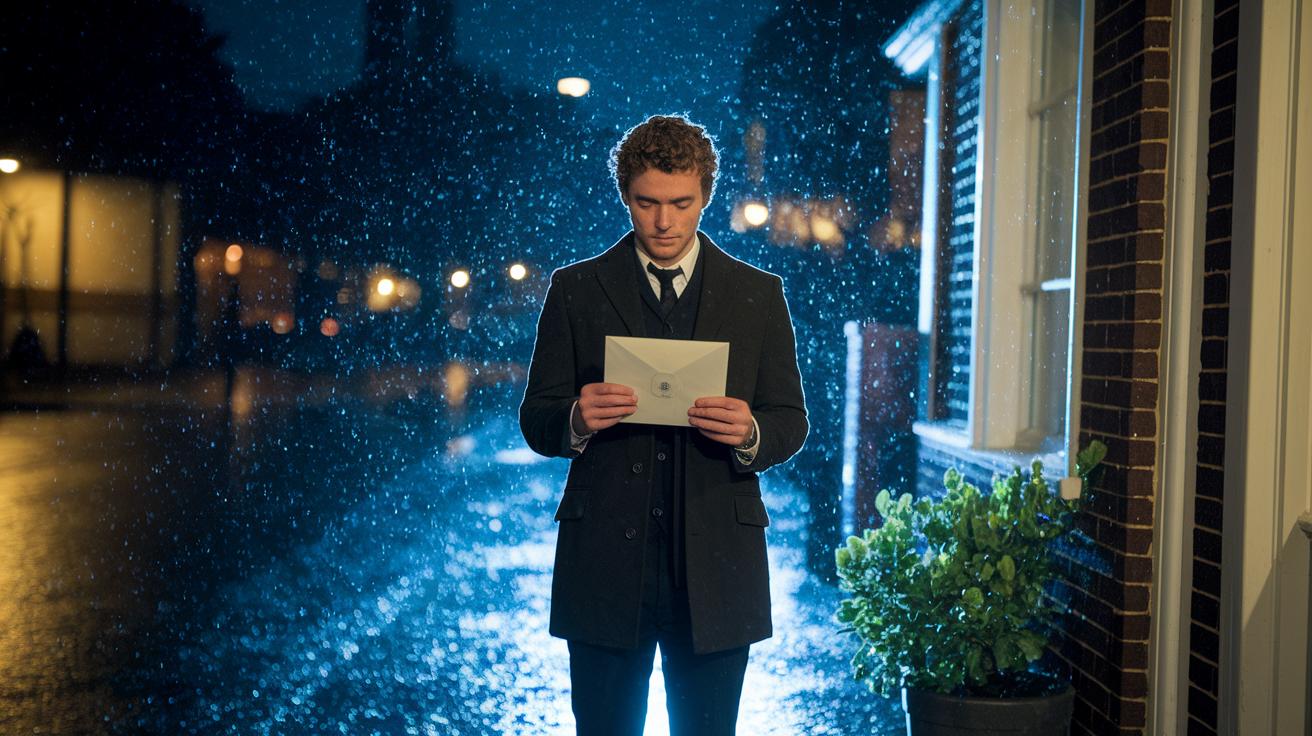
When building a story, a three-act or modular approach works wonders. It splits your tale into a fun beginning that grabs you, a middle that cranks up the tension, and an ending that ties things together nicely. Picture this: on a rainy night, a mysterious letter lands on Alex’s doorstep, setting the stage for plenty of surprises.
Crafting your character’s journey goes hand in hand with this structure. Think of character growth like a curved road with key stops along the way. You start with a moment that sparks change, hit a twist in the middle where everything turns upside down, and then push to a climax that really tests your character. For example, imagine reading, "At the story’s midpoint, everything Alex knew about trust was shattered by a betrayal." That line hits hard and signals a major turning point.
Good pacing is all about making every scene pack a punch. Quick, sharp moments capture sudden shifts, while slower, reflective pieces let you really feel connected to the characters. It’s like mixing a fast beat with a mellow tune to keep your story engaging and clear.
Keep refining your work through iterative drafting, storyboarding, and regular feedback. Tweak your scenes until the timing feels just right and every twist leaves an emotional mark. Soon enough, your story will flow with clear milestones, drawing readers in as they watch your characters grow and change with each new chapter.
Implementing Branching Plot Strategies and Nonlinear Narratives

Imagine planning your story like setting up a fun board game. Using decision trees or flowcharts helps you see every twist and turn your plot can take. Picture a character standing at a busy crossroad, each choice leading to a hidden secret. It’s like unveiling a whole network of story paths that open up different endings. For instance, when our hero finds a hidden key, one branch might take them to a secret room while another leads to an old, mysterious letter. Each option keeps the adventure lively and unpredictable.
Now, think about how cool it is when you can jump into different parts of the story without following a straight line. It’s like a board game where every move shakes things up. With branching plot design, you set up key moments where readers can dip into various chapters of the tale without missing important bits of who the characters are or the challenges they face.
Plus, a bit of data-driven personalization makes everything even better. Creators can tweak the story paths using real-time feedback based on choices readers make. This approach shapes the narrative so that each person gets a unique version that really clicks with them.
- Branching plot strategies make you feel like you’re part of the story.
- Nonlinear design opens up many exciting paths.
- Data-driven choices help tailor the experience for every reader.
Every piece of this interactive design builds a digital narrative that feels as fresh and dynamic as a live performance.
Leveraging Multimedia Integration for Enhanced Digital Plot Architecture

This section dives into clever ways to blend different types of media in digital storytelling. It builds on the basics we covered earlier and shows you what happens when tech meets creativity. Imagine a project where an HTML5 video plays a key scene on its own while a cool widget on your phone lets you dig deeper into a character’s past. At the exact moment a big scene unfolds, the system fires up an interactive timeline that reveals secret motives as you scroll along.
Next, think about linking video, audio, and interactive parts so they change right before your eyes. This is what we call dynamic synchronization. APIs (simple tools that let different software chat with each other) also mix in live social media feeds with story updates. Picture this: during a live event, comments from viewers kick off soft sound effects and neat visual hints that add layers to the mystery.
| Technique | Application |
|---|---|
| Dynamic Synchronization | Brings video, sound, and interactive cues together in real time |
| API Integration | Merges live social media feeds with updates to shift the story as it happens |
Evaluating Engagement Metrics to Refine Digital Storytelling

Tracking engagement metrics is like holding a backstage pass to your digital story. It shows you where the magic happens and where your audience might lose interest. Designers check numbers like click-through rates, how long someone stays on a part of the story, or the percentage of viewers who finish a segment. If you notice a sudden drop when a character makes an announcement, it might mean that moment needs a bit more energy or detail.
A/B tests and user surveys are like trying out two different food trucks at a festival. You might test one version of a plot twist that builds suspense slowly versus another that ramps up tension quickly. Then you see which one has readers hanging on every word. Real-time data from user behavior is a lot like feeling the vibe of a live audience – you know right away when a change is needed.
Key steps to keep in mind include:
- Tracking clear metrics like page clicks and viewing time
- Running A/B tests to compare different storytelling styles
- Regularly gathering input from user surveys
With each little tweak, you turn raw numbers into insights that help fine-tune your narrative. Over time, these adjustments allow designers to craft stories that not only hold your attention but also invite you to become part of the experience.
Final Words
In the action, we explored digital narratives from playful hooks to interactive experiences. We broke down design principles, structured plot progress and branching choices. Each piece showed how multimedia and feedback can refine the storytelling process while keeping the audience engaged. This article highlights how narrative design in digital storytelling blends creativity and strategy for memorable user moments. Here's to embracing these fresh ideas and crafting even more captivating entertainment.
FAQ
What do narrative design examples in digital storytelling show?
The narrative design examples show how digital storytellers blend a clear plot with multimedia and interactive elements. They highlight conflict points, emotional hooks, and evolving characters tailored for various digital platforms.
How is narrative design used in research?
The narrative design in research presents data and ideas in story form. It helps make complex information more relatable and engaging by using familiar narrative structures.
What defines the narrative design concept?
The narrative design concept combines classic story elements—like the 5 C’s (character, conflict, context, change, culmination)—with modern digital techniques. It spans various types, from linear to interactive narratives.
What are the techniques of digital narrative?
The techniques of digital narrative include using multimedia elements, branching structures, and interactive modules. These methods keep the audience engaged and let them influence the flow of the story.
What careers and courses exist in narrative design?
The narrative designer role includes jobs in interactive storytelling, game writing, and studio positions. Courses build key skills, with competitive salaries varying by experience and market demand.
