Have you ever wondered if your online space is set up the right way? Interactive media brings up big questions about privacy, fairness, and our rights. A while back, creative minds shaped ideas that became the tools we use today. It’s a bit like checking your gear before a game, you want everything to work perfectly. With clear rules, everyone feels comfortable and secure online. These ethical debates mix timeless values with the latest tech, sparking fresh conversations all the time.
Core Principles of Interactive Media Ethics

Interactive media ethics set the ground rules for behavior in digital spaces like video games, VR, AR, and digital storytelling. They help protect your rights and build trust between creators and their audience. Did you know that early interactive platforms experimented with user feedback systems long before we had today’s smart interfaces? It shows that ethics have always been a part of the digital mix.
In our digital world, ethical guidelines do more than follow traditional rules. They take into account that online content can stick around long after you first see it. When a mistake gets published, it can last forever, so checking for fairness and respect is a must. Think of it like cleaning up after a backyard party, you want to leave everything in good shape.
Some key ideas include:
- user autonomy
- transparency
- privacy
- fairness
- accountability
- accessibility
These ideas form the backbone of a digital ethics framework that supports fair and safe interactive systems. When creators focus on user choices and clear communication, they let you join the experience with confidence. Making privacy and fairness a top priority means that your personal rights are looked after, while accountability and accessibility help ensure that everyone feels welcome. With these standards in place, digital spaces become a trusted home where users are respected, and relationships grow strong over time.
Privacy and Data Protection in Interactive Media

Using interactive media means you often share personal info, sometimes without knowing it. Every click and swipe leaves a digital mark that can reveal where you are, what sparks your interest, and even hints about who you are. In immersive settings like VR (virtual reality) and interactive news, data is gathered to create a custom experience, though sometimes it happens without a clear yes from you. For example, did you know that some platforms track your location and preferences without offering a proper heads-up? That little fact shows some hidden privacy risks in our digital world.
To tackle these issues, we need strong data protection built right in from the start. Privacy-by-design means putting secure measures in place from day one. It limits the data collected to just what is needed, uses encryption (a method to keep your info secret) to protect your details, and sets up firm access rules. Think of it as creating a digital safe for all your personal information. Regular checks and updates are crucial to keeping sensitive data secure and making sure your privacy stays a top priority.
Good practices also mean asking for clear consent and checking things over regularly. Digital platforms should use simple, easy-to-read prompts to ask if you're okay with them collecting your data. Plus, ongoing audits help make sure the rules are followed and any slips or leaks get fixed fast. With these measures, interactive media becomes a safer space, letting you explore new tech with confidence and peace of mind.
Fairness and Bias Mitigation in Interactive Media Ethics

When you use interactive media, you might see features like AI-driven personalization, quizzes, and games that sometimes lean one way. This happens when the coding misses details about different backgrounds and experiences. For example, a quiz that adjusts based on your previous answers might end up offering a narrow range of views. Recognizing these little biases is the first step to stopping any unintentional influence.
Regular checks on these algorithms and the way interfaces are set up can help catch these issues. Developers can run reviews to see if any patterns unfairly affect certain groups, kind of like tuning an instrument to hit every note just right. Each check helps catch mistakes before they turn into bigger problems.
Simple fixes, like tweaking the algorithm to show multiple viewpoints and adding cultural sensitivity, can go a long way. This approach builds trust and keeps the interactive experience fair and friendly for everyone.
Accountability Frameworks for Interactive Media Ethics
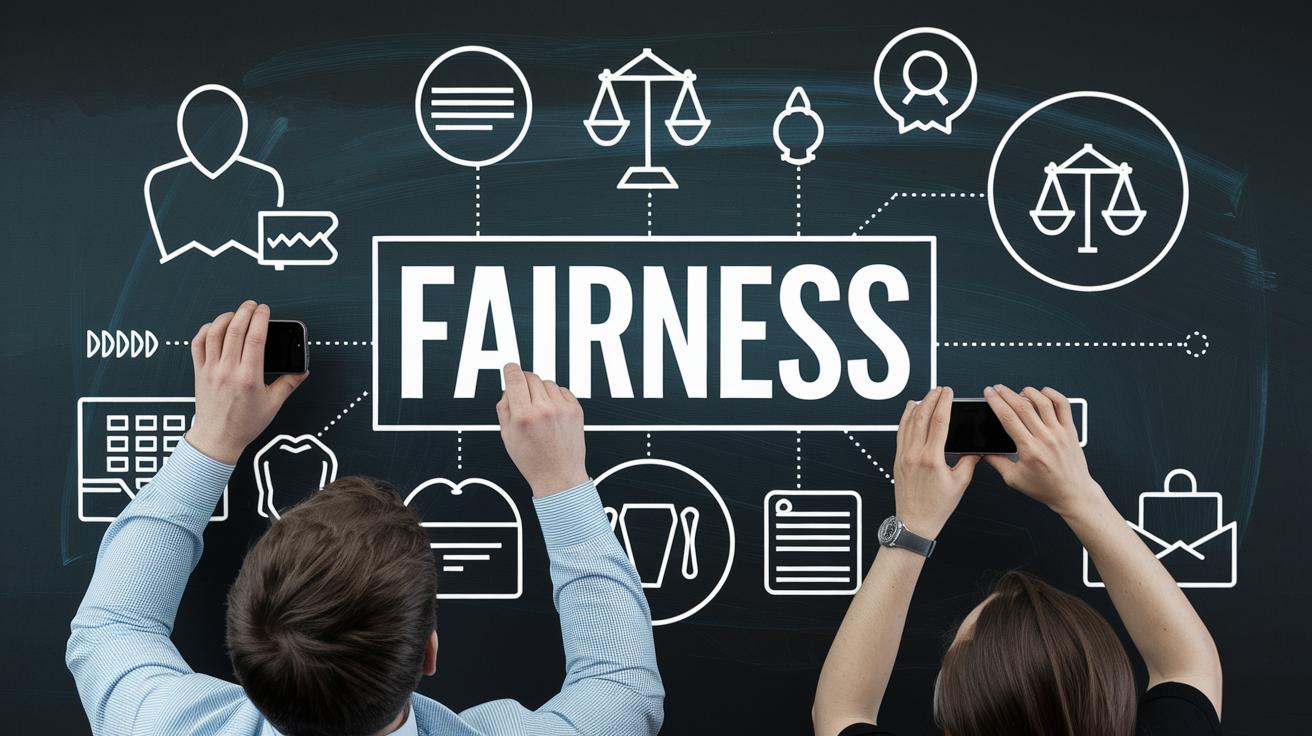
Digital platforms today need clear, simple systems to keep things fair. Journalists, tech experts, and users all work together to make sure everyone plays by the same rules. Regular checks, like backstage passes to a live show, help ensure that standards are met and trust is built. It’s like tuning a guitar before a concert: every little adjustment counts.
Looking back, early rules like those from the movie production code set things in motion. Those first standards proved that having clear rules and checking them regularly is key. As technology races ahead, our systems must keep up too. New methods mix old ideas with fresh thinking, so digital spaces stay honest and open even as new challenges pop up.
| Model | Key Features | Stakeholders |
|---|---|---|
| Self-Regulation | In-house reviews, volunteer rules | Creators and platforms |
| Hybrid Frameworks | Mix of internal checks and outside review | Regulators, industry leaders, communities |
| Government Regulation | Firm rules, legal oversight | Public agencies, media companies |
Responsible Design Practices for Interactive Media

Responsible design means keeping things clear and welcoming. Developers choose design methods that openly say what data is collected and how it’s used, so users always know what to expect. They build interactive spaces that mix different storylines, making every experience feel personal and fair. For example, when a platform explains its data gathering in plain language, users feel like they’re really part of the creative process. This friendly, user-first design builds trust, and inclusive standards make sure everyone, including people with disabilities, can join in. It creates spaces where content feels both caring and easy to enjoy.
Real-life examples bring these ideas to life. Projects like the "Snowfall" interactive series and an NSA files database show that honest storytelling can grab diverse audiences and spark fresh talks on ethics. These examples, backed by trusted benchmarks in interactive media design, prove that being crystal clear about data practices and showing many points of view leads to stronger, more believable stories. By weaving ethical design into every project, creators set up interactive experiences that are both exciting and respectful for all.
Transparency and Consent Mechanisms in Interactive Media

Interactive media works best when users know what is happening behind the scenes. Platforms need to explain how they collect data, where it comes from, and if there are any limits or biases. For example, a site might show a clear note saying, "We use your browsing history to make your experience better." This kind of openness builds trust, much like letting someone see the recipe behind their favorite meal.
Consent takes transparency one step further. It gives you the choice to control your own information. Simple prompts like "Would you like to enable data personalization?" let you decide how your data is used. By combining clear information with easy-to-use options, digital platforms let you manage your profile your way.
Interactive Media Ethics Ignite Fresh Debate

New tech like AI, VR/AR, and blockchain is pushing interactive media into tricky ethical territory. Creators and fans alike are really feeling the pressure as old rules just don’t seem to cut it anymore. Tools like deepfakes or overly persuasive tech can trick our minds and change how we act if we don’t keep a close watch. Every new gadget brings up tough questions about honesty, permission, and who is really responsible. It’s important to face these challenges and update our rules as we learn more. Think about a smart AI making big decisions without clear reasons, how fair is that? These kinds of issues fuel non-stop debates about the best ways to protect people and keep trust intact.
Looking forward, the world of interactive media needs serious research, better education, and thoughtful policies. People from tech, creative, and government circles will need to team up to create rules that can grow alongside new ideas. Training for journalists, developers, and designers should help them spot and fix risks before they become big problems. Regular checks and listening to user feedback will help catch new issues as soon as they pop up. Privacy and data security are huge topics when personalized content depends on complicated algorithms and big data. By talking across different fields and doing focused studies, we can uncover legal and social effects. With these steps, creators and overseers can build a digital world that stays fair, honest, and respectful while we meet the next tech wonder head-on.
Final Words
in the action, the article broke down core principles and best practices from privacy safeguards to fairness checks in digital works. Each segment shines a light on how interactive media ethics shape our digital encounters and protect our personal space.
It shows that ethics in interactive experiences isn't just a rulebook, but a guide toward responsible, respectful and engaging digital moments. Our modern world relies on trust built through these clear, thoughtful policies. Enjoy every engaging experience!
FAQ
What is an interactive media ethics PDF?
An interactive media ethics PDF presents guidelines that shape behavior in digital spaces with interactive features, offering a handy reference for best practices in modern media design.
What are interactive media ethics articles?
Interactive media ethics articles explain the rules and responsibilities of digital platforms. They discuss topics like transparency, data protection, and fairness to help creators build trusted interactive experiences.
What is print media ethics?
Print media ethics involves the rules that govern traditional publishing. It focuses on truthfulness and fairness to ensure that printed information is both accurate and respectful to its audience.
What are media ethics articles?
Media ethics articles analyze moral issues in both digital and traditional media. They cover topics like privacy and accountability to help guide ethical practices and build audience trust.
What do media ethics and law encompass?
Media ethics and law combine moral guidelines with legal standards, protecting personal rights and ensuring accountability and transparency across traditional, global, and digital media platforms.
What is the digital media ethics Charles Ess PDF?
The digital media ethics Charles Ess PDF outlines ethical standards with insights from Charles Ess, serving as a practical resource for addressing ethical challenges in interactive and digital storytelling.
What are the 5 principles of media ethics?
The 5 principles of media ethics typically include transparency, privacy, fairness, accountability, and user autonomy. These guide creators to produce content that earns trust and respects individual rights.
What are the 7 media ethics?
The 7 media ethics generally refer to a broader framework that may include respect, accuracy, balance, transparency, fairness, accountability, and independence—each aimed at preserving integrity in media.
What are the 4 basic principles of ethics?
The four basic ethics principles usually consist of autonomy, beneficence, non-maleficence, and justice. These core ideas guide decision-making and behavior in various media contexts.
What are the four main types of ethical issues faced by the media?
The four main ethical issues in media involve bias, privacy breaches, transparency lapses, and accountability problems. Addressing these challenges is key to maintaining trust between media and audiences.
